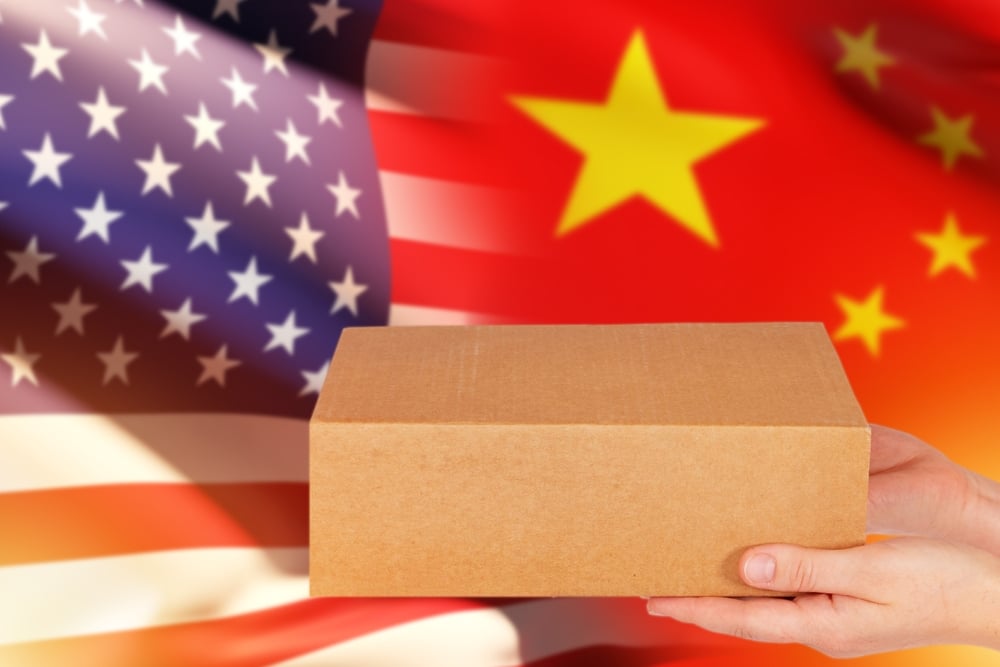
Shipments from China to the West Coast of the U.S. are set to plummet next week, as President Donald Trump’s tariffs prompt companies to reduce their import orders. Gene Seroka, executive director of the Port of Los Angeles, warned that incoming cargo volume is expected to drop by over a third compared to the same period in 2024.
Massive Decline in Cargo Volume
On CNBC’s “Squawk Box” on Tuesday, Seroka said, “According to our own port optimizer, which measures the loadings in Asia, we’ll be down just a little bit over 35% next week compared to last year. And it’s a precipitous drop in volume with a number of major American retailers stopping all shipments from China based on the tariffs.”
Impact on the Port of Los Angeles
The Port of Los Angeles handles about 45% of its business from China, and the tariff-induced reductions will be heavily felt. While some transport companies are seeking goods from other parts of Southeast Asia, Seroka stated, “Realistically speaking, until some accord or framework can be reached with China, the volume coming out of there — save a couple of different commodities — will be very light at best.”
Ship Cancellations and Supply Chain Challenges
In addition to the lower cargo volume, Seroka mentioned that about a quarter of the usual number of arriving ships would be canceled in May. Trump’s April 2 announcement of increased tariffs on Chinese goods has caused tensions to escalate, with both the U.S. and China imposing levies exceeding 100% on many goods exchanged between the two countries. Treasury Secretary Scott Bessent has called the situation “unsustainable,” but substantial negotiations between the countries are yet to be seen.
Economic Concerns and the Retail Sector
Data already indicated slowing trade volume from China, sparking concerns among economists. Torsten Slok, Chief Economist at Apollo Global Management, suggested that lower imports from China could result in layoffs in the transportation and retail sectors in the U.S., empty shelves, and a potential recession this summer.
Expected Impact on U.S. Retailers
Seroka believes U.S. retailers have about five to seven weeks before the full impact of reduced shipments begins to affect inventory. While retailers stocked up ahead of Trump’s tariff announcements, Seroka warned that customers could face a lack of variety on store shelves. “I don’t see a complete emptiness on store shelves or online when we’re buying. But if you’re out looking for a blue shirt, you might find 11 purple ones and one blue in a size that’s not yours,” Seroka said. He added that the limited options would likely lead to price hikes on remaining stock.