AI shifts career horizons toward the stars
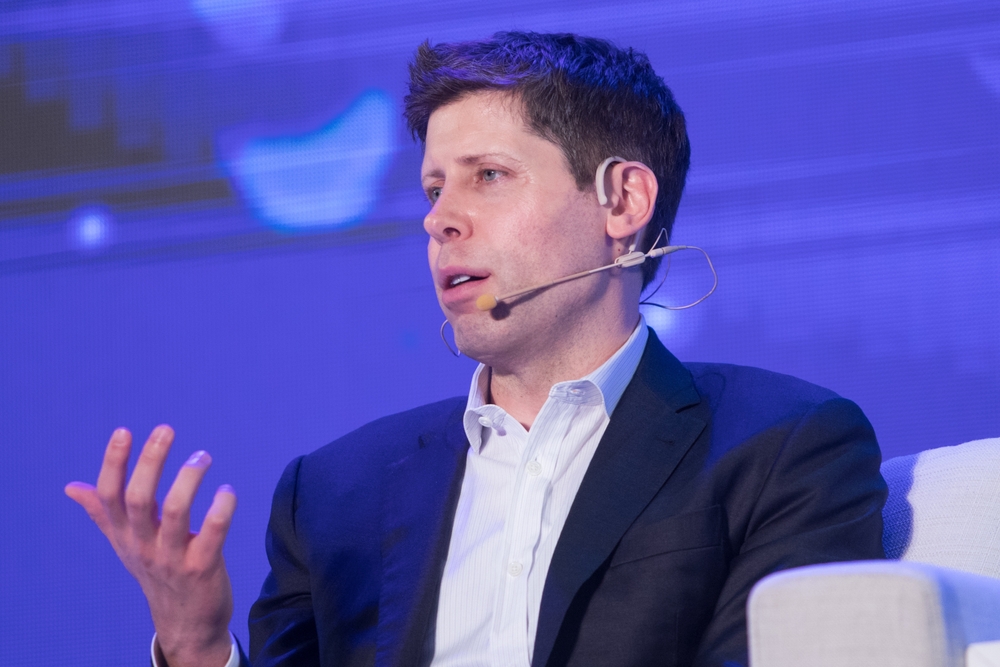
OpenAI CEO Sam Altman believes the next decade will redefine what it means to start a career, with some graduates stepping directly into space exploration roles. Speaking with video journalist Cleo Abram, Altman predicted that by 2035, a college graduate—or even someone skipping higher education—could leave school and board a spacecraft bound to explore the solar system. He suggested these positions would be “super well-paid” and “super interesting,” making today’s early-career jobs seem “boring” in hindsight.
Altman acknowledged that AI will eliminate certain roles, but sees this as part of a broader transformation opening unprecedented opportunities. While NASA’s goals for reaching Mars remain in the 2030s, U.S. Bureau of Labor Statistics data shows aerospace engineering is growing faster than the national average, with salaries exceeding $130,000 annually.
From shorter workweeks to ‘superhuman’ teams
Other tech leaders foresee equally radical workplace changes driven by AI. Microsoft cofounder Bill Gates has suggested the technology could shrink the workweek to just two or three days. Nvidia CEO Jensen Huang has described his own workforce as “superhuman,” attributing their amplified capabilities to AI tools. Yet, Huang rejects the idea that such progress diminishes human necessity, noting that his team’s expertise only elevates overall performance.
Altman, despite admitting uncertainty about AI’s ultimate direction, said he envies Gen Z professionals entering the workforce now: “If I were 22 right now and graduating college, I would feel like the luckiest kid in all of history.”
One-person billion-dollar companies within reach
Following OpenAI’s launch of GPT-5, Altman likened the model’s capabilities to having a “team of PhD-level experts” on demand. He argued this changes the economics of entrepreneurship, enabling one person to build a billion-dollar company that previously would have required hundreds of employees. The critical factor, he said, is combining strong ideas with mastery of AI tools.
Investor Mark Cuban has taken the prediction further, speculating that AI could produce not just billionaires, but the world’s first trillionaire—potentially a lone innovator working from a basement. “We haven’t seen the best or the craziest of what AI is going to be able to do,” Cuban said.
A new career frontier
Altman’s vision frames AI as both a disruptor and an enabler—erasing some traditional career paths while opening others that once belonged to science fiction. Whether in the vacuum of space or the digital economy, Gen Z may be poised to inherit opportunities unlike any generation before, with AI acting as the launchpad.