OpenAI has bought TBPN, an online technology talk show that built a loyal Silicon Valley following by interviewing top industry executives, in a move that expands the company’s ambitions beyond artificial intelligence products and into media influence. The acquisition stands out because OpenAI had not previously signaled any clear intention to enter the news or talk show business, making the deal one of its more unexpected strategic pivots.
The transaction also arrives at a time when OpenAI is competing intensely with Anthropic for enterprise customers and trying to sharpen its public positioning as the market for business focused AI tools becomes more crowded. By taking over a media platform already embedded in the technology conversation, OpenAI appears to be seeking not only reach, but a more direct role in shaping how AI itself is discussed by founders, executives, investors, and developers.
Financial terms were not disclosed, but OpenAI said the acquisition would help the company communicate its plans more effectively and guide the broader conversation about the changes artificial intelligence is bringing. That explanation suggests the deal is not being framed as a side project. It is being positioned as part of how OpenAI wants to manage influence, messaging, and visibility as its role in the technology industry grows more politically and commercially sensitive.
TBPN built a fast following in Silicon Valley
TBPN was launched in late 2024 by entrepreneurs John Coogan and Jordi Hays with the explicit goal of competing with established business and technology media players, including CNBC. In a relatively short period, it managed to develop a recognizable audience through interviews with prominent technology leaders and a style that resonated with a core Silicon Valley crowd.
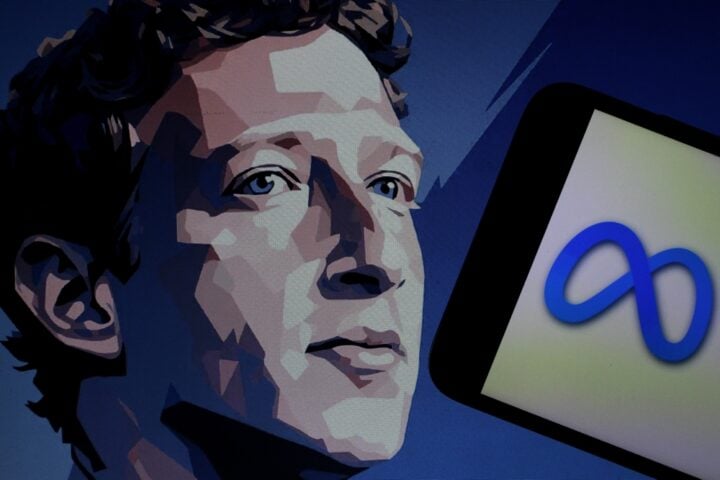
The show’s guest list quickly gave it credibility. It has featured high profile figures such as Meta chief executive Mark Zuckerberg, Microsoft chief executive Satya Nadella, filmmaker James Cameron, and OpenAI chief executive Sam Altman. That roster helped make TBPN more than a niche creator project. It became a place where the technology industry could see itself reflected and debated in real time.
By bringing Coogan and Hays into the company, OpenAI is effectively acquiring not just a media brand, but also a format, an audience relationship, and a channel for executive level conversation. In today’s technology landscape, where narrative often moves markets nearly as quickly as product releases do, that can be a meaningful asset.
OpenAI is broadening its strategy while refocusing its products
The acquisition is especially notable because it comes shortly after signs that OpenAI has been narrowing its product priorities in other areas. The company had recently shelved its Sora video generation tool as it concentrated more heavily on the faster growing and more commercially attractive market for AI coding products. That made the move into media even more surprising.
On the surface, a talk show acquisition may seem unrelated to enterprise AI competition. But in strategic terms, the logic is easier to see. As OpenAI pushes deeper into corporate markets, it is not competing only on model quality. It is also competing on trust, visibility, and its ability to frame the future of AI in a way that appeals to executives making long term technology decisions.
In that context, owning a media platform can serve as a complement to product strategy rather than a distraction from it. It gives OpenAI a more controlled environment in which to present ideas, explain direction, and stay close to the audience it is trying to win in the enterprise market.
Editorial independence will be closely watched
OpenAI said TBPN would retain editorial independence, and in its newsletter it argued that this kind of arrangement is not unusual in media history. The company pointed to examples such as traditional broadcast networks operating inside larger conglomerates, Microsoft’s role in co creating MSNBC, and Bloomberg News belonging to Bloomberg LP.
Even with those comparisons, the promise of independence is likely to draw close scrutiny. Media businesses tied to powerful corporate owners often face skepticism about whether their coverage can remain genuinely independent, especially when the parent company is one of the biggest and most controversial players in the industry being covered.
That scrutiny may be even sharper in OpenAI’s case because the company is already under pressure over its growing political and institutional reach. Its recent agreement allowing the U.S. government to use its technology in classified military operations has triggered criticism and added to concerns that OpenAI is becoming more entangled with power centers it once seemed more cautious about approaching.
The deal is about influence as much as content
OpenAI’s purchase of TBPN suggests it increasingly sees media not as a separate industry, but as part of the infrastructure of competition in artificial intelligence. As AI companies race to secure enterprise adoption, attract top talent, and shape public understanding of their products, controlling part of the conversation can become strategically valuable.
That is especially true in a period when OpenAI and Anthropic are battling for business customers and broader influence. Enterprise buyers are not only evaluating which models perform best. They are also deciding which company seems more reliable, more visionary, and more aligned with how they think AI should be introduced into their organizations. A media asset can help reinforce that image in subtle but powerful ways.
The acquisition therefore looks less like a move into journalism for its own sake and more like an expansion of OpenAI’s influence strategy. By owning a respected technology talk show while promising to keep its editorial character intact, the company is trying to place itself not just at the center of AI development, but also at the center of the conversation about what AI means and who gets to define its future.