Trump Doubles Down on Tariffs With Copper, Brazil Duties
New 50% tariffs set to begin on August 1
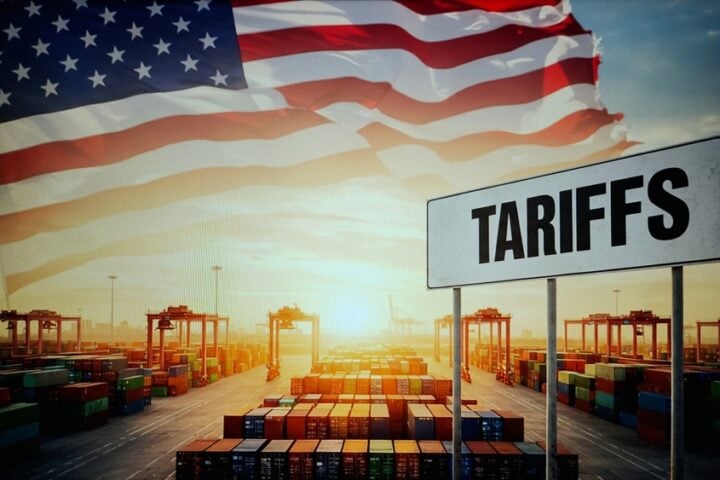
President Donald Trump intensified his global trade campaign on Wednesday by announcing sweeping new tariffs, including a 50% duty on copper imports and a 50% tariff on goods from Brazil. Both measures are scheduled to take effect on August 1 and mark some of the most aggressive trade actions in decades.
The copper tariff stems from a national security assessment under Section 232, which found U.S. supply chains vulnerable. Trump blamed past administrations for the decline of the domestic copper industry, citing its importance to key sectors such as semiconductors, electric vehicles, and defense manufacturing. “America will, once again, build a DOMINANT Copper Industry,” he posted on Truth Social.
Brazil’s sudden tariff increase, up from 10% to 50%, was framed as a response to political grievances, including criticism of Brazilian President Lula da Silva’s treatment of former leader Jair Bolsonaro and alleged censorship. Lula quickly responded that Brazil would implement reciprocal measures within the bounds of its laws.
Political tensions and trade retaliation risks
Trump’s letter to Lula accused Brazil of undermining free speech and interfering in U.S. digital markets. He ordered a Section 301 investigation into Brazil’s digital trade practices, opening the door to even more tariffs. Trade experts warned the move risks escalating into a serious trade war between the two countries, which had a $92 billion trade relationship last year and a $7.4 billion U.S. surplus.
Major U.S. exports to Brazil include aircraft and semiconductors, while Brazil sends crude oil, steel, and agricultural products to the U.S. Despite ongoing tensions, Brazil has not yet implemented a digital services tax but has debated stronger digital platform regulation.
Global tariff wave spreads beyond Brazil
Alongside the Brazil and copper tariffs, Trump issued additional tariff notices targeting 14 other countries. These included 25% duties on Japan and South Korea, and new levies on smaller trading partners such as the Philippines (20%) and Sri Lanka (30%). Trump has promised “90 deals in 90 days” to resolve the tensions, though only Britain and Vietnam have reached agreements so far.
The wave of tariffs has pushed the effective U.S. tariff rate to 17.6%, the highest since 1934, according to the Yale Budget Lab. Treasury Secretary Scott Bessent said Washington has collected $100 billion so far this year and expects to reach $300 billion by December.
EU negotiations continue, global uncertainty rises
While equity markets mostly brushed off the announcements, negotiators from the U.S. and European Union worked to finalize a trade deal. Trump said he would soon announce the tariff rate for EU goods and hinted that a compromise could be reached before the August 1 deadline. EU trade chief Maros Sefcovic expressed optimism, though Italian officials warned talks remained difficult.
EU and U.S. officials are reportedly discussing potential auto industry protections, including quotas and tariff reductions, to mitigate the impact of rising trade tensions. Trump’s tariff strategy has caused deep uncertainty for multinational companies navigating shifting regulations, rising costs, and politically charged negotiations.
Keywords: Trump tariffs, copper imports, Brazil trade, Section 232, U.S. trade war, August 1 tariffs, digital trade, EU negotiations, global trade policy, U.S. exports
New 50% tariffs set to begin on August 1
President Donald Trump intensified his global trade campaign on Wednesday by announcing sweeping new tariffs, including a 50% duty on copper imports and a 50% tariff on goods from Brazil. Both measures are scheduled to take effect on August 1 and mark some of the most aggressive trade actions in decades.
The copper tariff stems from a national security assessment under Section 232, which found U.S. supply chains vulnerable. Trump blamed past administrations for the decline of the domestic copper industry, citing its importance to key sectors such as semiconductors, electric vehicles, and defense manufacturing. “America will, once again, build a DOMINANT Copper Industry,” he posted on Truth Social.
Brazil’s sudden tariff increase, up from 10% to 50%, was framed as a response to political grievances, including criticism of Brazilian President Lula da Silva’s treatment of former leader Jair Bolsonaro and alleged censorship. Lula quickly responded that Brazil would implement reciprocal measures within the bounds of its laws.
Political tensions and trade retaliation risks
Trump’s letter to Lula accused Brazil of undermining free speech and interfering in U.S. digital markets. He ordered a Section 301 investigation into Brazil’s digital trade practices, opening the door to even more tariffs. Trade experts warned the move risks escalating into a serious trade war between the two countries, which had a $92 billion trade relationship last year and a $7.4 billion U.S. surplus.
Major U.S. exports to Brazil include aircraft and semiconductors, while Brazil sends crude oil, steel, and agricultural products to the U.S. Despite ongoing tensions, Brazil has not yet implemented a digital services tax but has debated stronger digital platform regulation.
Global tariff wave spreads beyond Brazil
Alongside the Brazil and copper tariffs, Trump issued additional tariff notices targeting 14 other countries. These included 25% duties on Japan and South Korea, and new levies on smaller trading partners such as the Philippines (20%) and Sri Lanka (30%). Trump has promised “90 deals in 90 days” to resolve the tensions, though only Britain and Vietnam have reached agreements so far.
The wave of tariffs has pushed the effective U.S. tariff rate to 17.6%, the highest since 1934, according to the Yale Budget Lab. Treasury Secretary Scott Bessent said Washington has collected $100 billion so far this year and expects to reach $300 billion by December.
EU negotiations continue, global uncertainty rises
While equity markets mostly brushed off the announcements, negotiators from the U.S. and European Union worked to finalize a trade deal. Trump said he would soon announce the tariff rate for EU goods and hinted that a compromise could be reached before the August 1 deadline. EU trade chief Maros Sefcovic expressed optimism, though Italian officials warned talks remained difficult.
EU and U.S. officials are reportedly discussing potential auto industry protections, including quotas and tariff reductions, to mitigate the impact of rising trade tensions. Trump’s tariff strategy has caused deep uncertainty for multinational companies navigating shifting regulations, rising costs, and politically charged negotiations.