Nasdaq surges 1.6% as Powell hints at policy shift
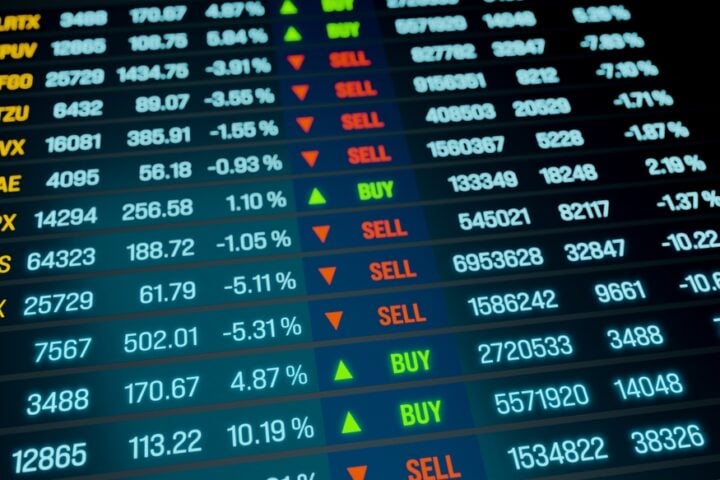
US stocks surged on Tuesday as investor optimism grew over a fragile ceasefire between Israel and Iran and as Federal Reserve Chair Jerome Powell signaled the central bank could soon lower interest rates. The tech-heavy Nasdaq Composite jumped 1.6%, the S&P 500 gained 1.2%, and the Dow Jones Industrial Average rose 1.3%, or over 500 points.
The rally brought the S&P 500 and Nasdaq close to their February highs, with both indexes back in sight of record territory. Relief spread across markets as investors digested signs of de-escalation in the Middle East conflict, which had rattled markets over the past two weeks.
US-brokered ceasefire holds despite tensions
Markets responded positively to President Donald Trump’s announcement of a temporary truce between Israel and Iran, following a series of strikes over the weekend. Although tensions briefly flared again—with Israel accusing Iran of violating the agreement—the ceasefire appeared to hold as of Tuesday evening.
The prospect of peace helped drive oil prices lower, easing fears of a major supply disruption. Brent crude and West Texas Intermediate futures both declined, moving closer to pre-conflict levels after briefly spiking on fears of a Strait of Hormuz blockade.
Powell signals readiness to act on rates
At a congressional hearing on Tuesday, Fed Chair Powell reiterated that the central bank remains cautious but signaled it is ready to act if needed. While noting the Fed is “well-positioned to wait,” he acknowledged that rate cuts could happen “sooner rather than later” depending on economic conditions.
His remarks come as President Trump increases pressure on the Fed to ease monetary policy in response to tariff-driven inflation and geopolitical risks. Fed funds futures now reflect rising market expectations for a rate cut at upcoming policy meetings.
Markets eye stability and stimulus
Tuesday’s rally follows a strong performance on Monday, when investors were encouraged by Iran’s restrained response to US strikes. The broader sentiment has shifted toward hopes for geopolitical stability and monetary support to sustain economic momentum amid trade and inflation concerns.