Wall Street claws back losses after two volatile sessions
U.S. stocks moved higher Wednesday after two days of sharp swings, helped by a pullback in oil prices and economic reports that suggested activity and hiring are holding up. The market has been tracking energy closely since the war with Iran began, with prices moving rapidly as traders tried to assess how long the conflict could last and what it could mean for inflation and corporate profits.
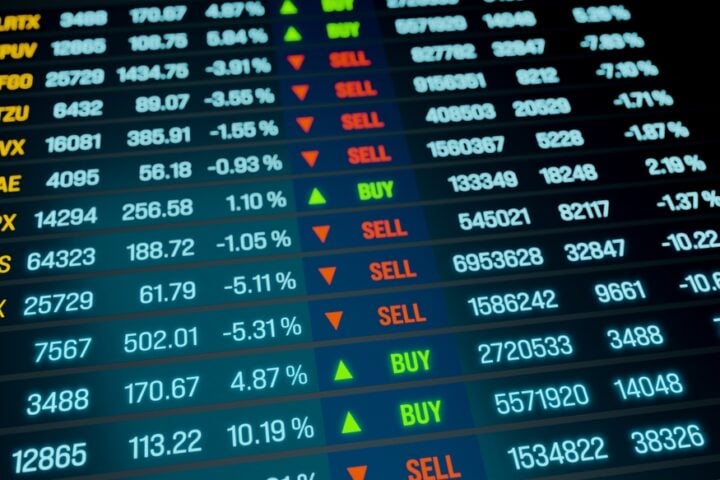
The S&P 500 rose 0.8% in midday trading, putting it on pace to recover most of the decline that followed the start of the conflict. The Dow Jones Industrial Average was up 301 points, or 0.6%, and the Nasdaq composite gained 1.3%.
South Korea plunge sets tone before oil calms
The session began under the shadow of severe losses in Asia. South Korea’s Kospi index dropped 12.1% in what was described as its worst day on record. The moves highlighted how quickly sentiment has been shifting as markets in different time zones respond to war headlines and oil price changes.
Oil prices moderated as trading moved from Asia into Europe and then the United States. Brent crude briefly topped $84 per barrel before easing to $80.88, down 0.6%. Benchmark U.S. crude fell 0.6% to $74.14 per barrel. The softer oil move reduced immediate fears that the conflict would trigger a larger inflation shock.
Service-sector and hiring signals support growth outlook
Two U.S. economic reports helped improve sentiment. One report said growth for U.S. businesses in services industries including real estate and finance accelerated last month at the fastest pace since the summer of 2022. The same report indicated prices for these businesses were rising at a slower rate, at least before the war with Iran began, a detail that markets read as constructive for inflation trends.
A second report suggested employers outside government increased hiring last month. Investors viewed it as a supportive signal ahead of the more comprehensive U.S. jobs report scheduled for Friday, which is closely watched for evidence of labor market strength and wage pressure.
Tech leads the advance as investors debate war risks
The central concern remains how long the conflict could last, how high inflation might go if oil rises again, and how much earnings could be squeezed by higher energy and shipping costs. Some investors pointed to historical patterns where U.S. stocks have often recovered relatively quickly after Middle East conflicts, provided oil prices do not surge to levels that materially damage growth.
Not all market participants share that view. Francis Lun, chief executive of Venturesmart Asia, said he believes the situation is worsening and criticized President Donald Trump’s handling of the conflict, describing the outlook as grim.
In sector performance, large technology stocks were the biggest contributors to the rebound. Nvidia added 1.5% and Amazon rose 3.1%, moves that carried extra influence because of their large weights in major indexes.
Crypto-linked stocks also rallied as bitcoin rebounded above $73,000. Coinbase Global jumped 15.3% and Robinhood Markets rose 7.8%. Retailers and travel-related names gained on hopes that a steady economy and less pressure from gasoline prices could support consumer spending. Ross Stores climbed 7.4% after reporting profit and revenue above analyst expectations and saying it is entering 2026 with solid momentum. Expedia Group advanced 3.6%.
Global markets stabilize while Fed timing shifts later
European markets rose after sharp declines in Asia. France’s CAC 40 gained 0.8% and Germany’s DAX rallied 1.7%. Earlier, Japan’s Nikkei 225 fell 3.6% and Hong Kong’s Hang Seng declined 2%.
In U.S. bond trading, Treasury yields were steady after earlier increases tied to inflation worries. The yield on the 10-year Treasury held at 4.06%, roughly where it stood late Tuesday.
The combination of stronger economic readings and war-driven energy volatility keeps the Federal Reserve in a difficult position. Higher oil prices can push up inflation, which could argue for keeping interest rates higher for longer. But elevated rates also increase borrowing costs for households and businesses and can slow growth. The Fed had previously signaled it expected to resume rate cuts later this year, but traders have pushed expectations further into the summer as they reassess inflation risk tied to the conflict.