Investors rush to safe haven as uncertainty mounts
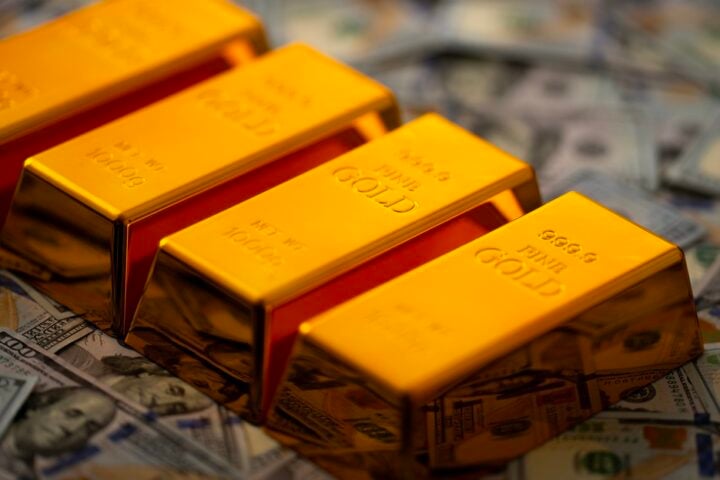
Gold futures crossed the $4,000 mark per troy ounce for the first time, as anxious investors seek security during the ongoing U.S. government shutdown. On Monday, spot gold had already closed at $3,960.60, and by Tuesday afternoon it reached $4,003, marking a 50% surge since January. Silver followed with a nearly 60% increase, trading just under $48 per ounce.
Several factors contribute to this dramatic rise, including President Trump’s aggressive tariff policies, inflationary pressures, and falling interest rates. The Federal Reserve recently cut rates and signaled more reductions to come, pushing investors away from interest-bearing assets and toward precious metals.
Shutdown and global instability drive demand
Trump’s trade war and the federal shutdown are two of the primary forces behind current investor anxiety. New tariffs have raised costs for U.S. businesses and consumers, cooled hiring, and intensified inflation concerns. With no end in sight for the shutdown, delayed economic data and mass furloughs have added to the uncertainty.
UBS analyst Giovanni Staunovo also cites a weaker U.S. dollar and geopolitical tensions—like the wars in Gaza and Ukraine—as factors pushing central banks and individuals to invest more in gold. He traces the rally back to 2022, when Western governments froze $300 billion in Russian assets, marking a shift in global financial behavior.
Jewelry market reacts as prices rise
Retailers have seen more customers looking to assess or sell their gold items, capitalizing on the rising prices. At the same time, buyers of gold jewelry are facing sticker shock due to rising material costs and import tariffs. Companies like Pandora and Signet have acknowledged these challenges in recent earnings calls, with expectations that prices across the jewelry sector will continue to rise.
According to Pandora CEO Alexander Lacik, higher gold and silver prices, combined with trade policies, are likely to impact consumer pricing across the industry.
Is gold a safe investment?
Gold is traditionally viewed as a safe haven during turbulent times, helping to diversify portfolios and hedge against inflation. However, experts warn that gold isn’t risk-free. Staunovo points out that gold can fluctuate 10-15% and that small physical purchases like coins carry higher transaction costs.
The Commodity Futures Trading Commission has issued warnings about investing in precious metals, citing the potential for scams, volatility, and market manipulation. The agency reminds investors that those who profit most are often the sellers, not the buyers, especially when economic anxiety is high.
Environmental concerns grow with demand
Rising global demand for gold has intensified illegal mining practices, many of which rely on mercury—a toxic substance used to separate gold from ore. Mercury contamination poses serious health risks, affecting ecosystems, food supplies, and human health. Countries like Mexico, Senegal, and Peru have reported growing mercury-related health issues due to artisanal gold mining.
The environmental and human toll adds another layer to the gold boom story, reminding investors that demand can have unintended consequences beyond the financial markets.