Political uncertainty drives precious metals higher
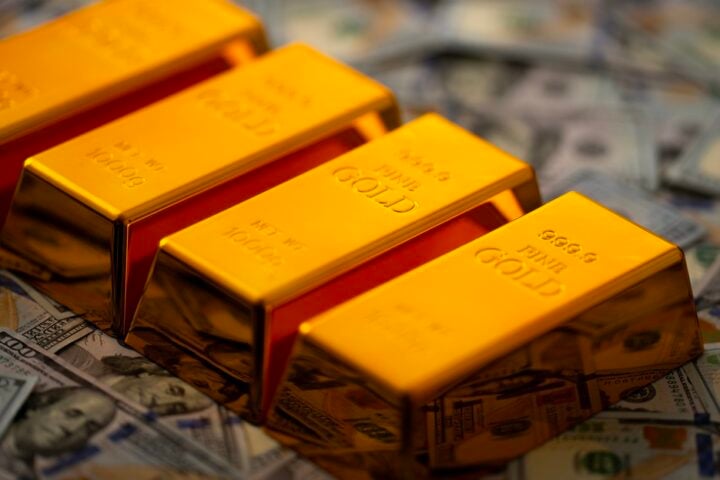
Gold prices have surged to unprecedented levels in recent weeks as investors seek protection from mounting geopolitical and economic uncertainty. The metal briefly broke above the $5,000 per ounce threshold and even touched $5,500 before retreating, while silver and platinum followed a similar upward path.
Although prices have since pulled back amid signs of short-term political stabilization in the United States, precious metals remain significantly higher than a year ago, reflecting persistent anxiety in global markets.
Trade policy and geopolitical risks fuel demand
Investor caution has been amplified by renewed trade tensions linked to U.S. tariff policies. Unpredictable decisions surrounding international trade relations, particularly involving Europe, China and Canada, have unsettled currency markets and weakened confidence in the U.S. dollar.
At the same time, ongoing conflicts in Ukraine and Gaza, alongside diplomatic pressure involving Greenland and other strategic regions, have added to a climate of instability that traditionally benefits safe-haven assets.
Central banks reinforce gold’s appeal
Another major driver behind the rally has been sustained buying by central banks. Many monetary authorities have increased their gold holdings as a way to diversify reserves and reduce reliance on the U.S. dollar.
The freezing of Russia’s foreign currency reserves following its invasion of Ukraine has served as a wake-up call for several countries, reinforcing gold’s role as a politically neutral store of value that cannot be easily sanctioned or confiscated.
Broader investor participation lifts prices
Demand has also risen among private investors and institutions. In Asia, consumer demand for jewellery and investment products remains strong, particularly in China. In Western markets, capital has flowed into gold-backed funds and companies linked to precious metal trading.
New market participants have also emerged. Some digital asset firms have reportedly accumulated large gold reserves, further tightening supply and contributing to price volatility.
Recent pullback reflects shifting expectations
The recent decline in gold, silver and platinum prices followed easing fears over U.S. monetary policy leadership. Speculation that the Federal Reserve could maintain a more orthodox approach reduced concerns about runaway inflation and a sharply weaker dollar.
Despite this correction, analysts note that the underlying drivers of demand remain intact. Trade tensions, elevated debt levels and geopolitical fragmentation continue to support the long-term investment case for precious metals.
Scarcity and diversification remain key attractions
Gold’s enduring appeal lies in its scarcity and independence from corporate or sovereign balance sheets. Unlike equities or bonds, its value is not directly tied to the performance or debt of an issuer, making it an effective portfolio diversifier in uncertain times.
Recent volatility has underscored that gold prices can fall as quickly as they rise. Still, for many investors, the metal remains a critical hedge in an increasingly unpredictable global environment.