Precious metals recover as investors reassess sell-off
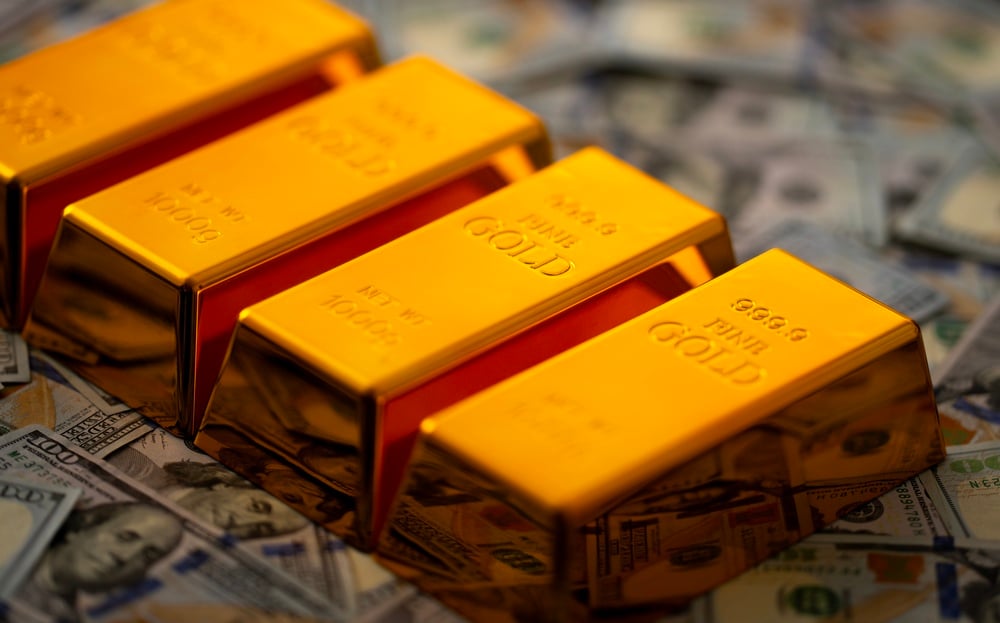
Gold and silver prices staged a sharp rebound on Tuesday following a historic collapse that rattled global markets and triggered widespread losses across mining stocks and metal-linked funds. The recovery lifted both spot and futures prices, signaling a pause in the intense selling pressure seen at the end of last week.
Spot gold climbed about 5.6% to roughly $4,930.97 per ounce, while gold futures rose around 6.4% to trade near $4,949. Silver posted even stronger gains, with spot prices advancing more than 6% to approximately $84.29 per ounce. Silver futures surged nearly 10% to about $84.12.
Rebound follows extreme volatility
The rebound comes after an exceptionally volatile period for precious metals. Gold had fallen nearly 10% on Friday, while silver suffered a dramatic 30% collapse in a single session, marking its steepest one-day decline since 1980. Monday’s weakness extended the downturn before buyers returned on Tuesday.
As prices stabilized, mining shares and exchange-traded funds tied to gold and silver rose globally. In London, major mining companies moved higher, reflecting renewed optimism around metal prices after the sharp correction.
Mining stocks and ETFs track metal recovery
London-listed miners advanced during Tuesday’s session, with Rio Tinto gaining around 2.2%, Anglo American rising more than 3%, and Antofagasta adding roughly 2.5%. Fresnillo, the world’s largest silver producer and the strongest performer on the FTSE 100 this year, was last seen trading about 3.1% higher.
In U.S. markets, funds linked to silver recorded outsized gains. The ProShares Ultra Silver ETF jumped roughly 15% ahead of the open, while the abrdn Physical Silver Shares ETF rose about 8.3%. The iShares Silver Trust, a popular vehicle among retail investors, also advanced around 8.3%.
Shares of U.S.-listed miners followed suit, with Endeavour Silver climbing 7.5% in pre-market trade and Coeur Mining adding 7.7%. Hecla Mining and First Majestic Silver were each up close to 8%.
Debate grows over durability of the rally
Market participants are now debating whether the rebound signals a return to underlying trends or simply a technical response to extreme overselling. Analysts at Deutsche Bank said the magnitude of last week’s move appears disproportionate to its immediate triggers, suggesting prices may have overshot to the downside.
The bank noted that while speculative positioning had increased in recent months, it alone does not fully explain the depth of the sell-off. According to the analysis, longer-term investor demand across official, institutional, and individual buyers has likely not deteriorated.
Macro drivers and silver-specific dynamics
The initial sell-off was driven by a mix of factors, including a rebound in the U.S. dollar, shifts in expectations around Federal Reserve leadership after President Donald Trump nominated Kevin Warsh as the next Fed chair, and position adjustments ahead of the weekend.
Strategists at Barclays echoed the view that, despite overheated technical conditions and crowded positioning, broader demand for gold could remain resilient amid geopolitical uncertainty, policy risks, and diversification of reserves.
Silver’s price swings have been more pronounced due to its smaller market size, higher volatility, and heavier retail participation. However, analysts note that silver also benefits from structural industrial demand, particularly linked to data centers, artificial intelligence, and renewable energy.
Projections published earlier this year suggest global silver demand could reach between 48,000 and 54,000 tonnes annually by 2030, driven largely by solar technologies, while supply is expected to cover only a fraction of that total. Analysts say the recent correction reflects silver moving too far, too fast, rather than a breakdown in its longer-term fundamentals.