End of an era for Chinese property titan
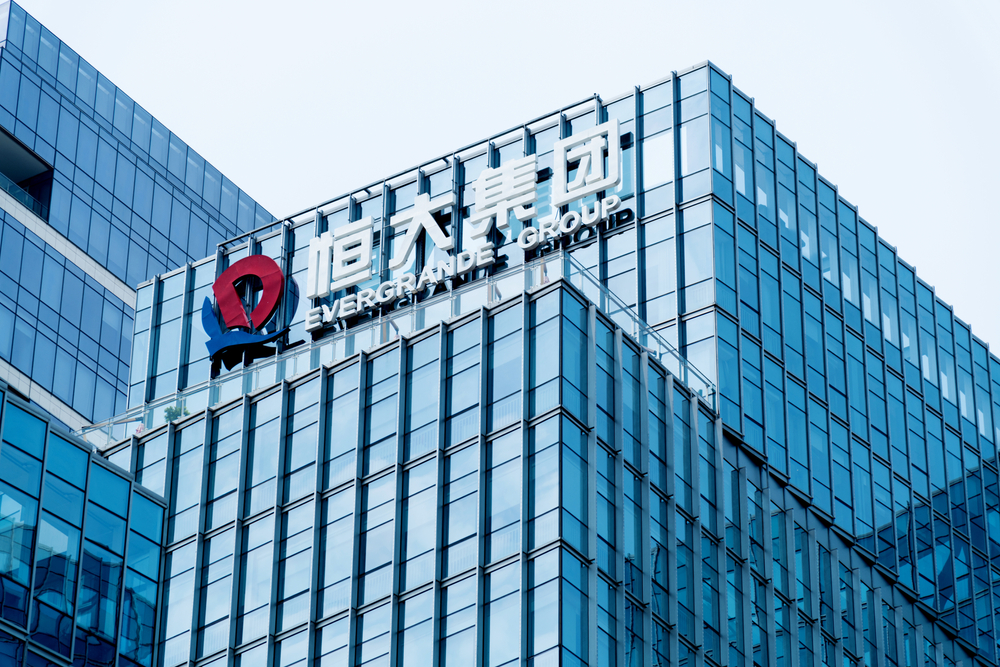
Evergrande, once the most powerful name in China’s real estate sector, was officially delisted from the Hong Kong stock exchange this Monday. After an 18-month suspension of trading and a failed restructuring, the company disappeared from the exchange’s system, signaling a definitive fall from its $50 billion peak valuation in 2017.
At the time of the trading halt in January 2024, its shares were worth just $0.02 each, leaving the firm valued at only $260 million. In August, liquidators confirmed the cancellation of the listing, with no appeal to be made.
Collapse amid mounting debt and market slowdown
Evergrande’s demise followed a tightening of China’s lending policies and a deepening crisis in the housing market. The firm defaulted on more than $300 billion in debt after failing to adjust to shifting credit conditions post-2020. A Hong Kong court then ordered its liquidation in early 2024, citing its failure to produce a viable repayment plan.
The company had over 1,300 projects in progress across 280 cities, along with side ventures in electric vehicles and property services. In March 2024, it was fined $580 million for inflating revenue figures by nearly $80 billion during 2019 and 2020.
Sector-wide effects and broader instability
Evergrande’s downfall is part of a wider property crisis in China. Another major developer, China South City, also entered liquidation this month, with its valuation falling by 90% since 2020. National housing prices have dropped nearly 20%, and demand remains weak despite government stimulus.
The ripple effects extend beyond real estate. Falling property sales have led to reduced steel demand and lower consumer spending, making it harder for Beijing to stabilize the economy. Foreign investors are increasingly cautious, facing greater risk and uncertainty in the Chinese market.
Regulatory pressure and legal pursuits
Liquidators are now pursuing legal action against PricewaterhouseCoopers for its role in auditing Evergrande’s financials. Meanwhile, the Chinese government has struggled to revive trust in the housing market. Intervention efforts have so far failed to stop the downward spiral of developer defaults and market pessimism.