Severance costs weigh on quarterly results
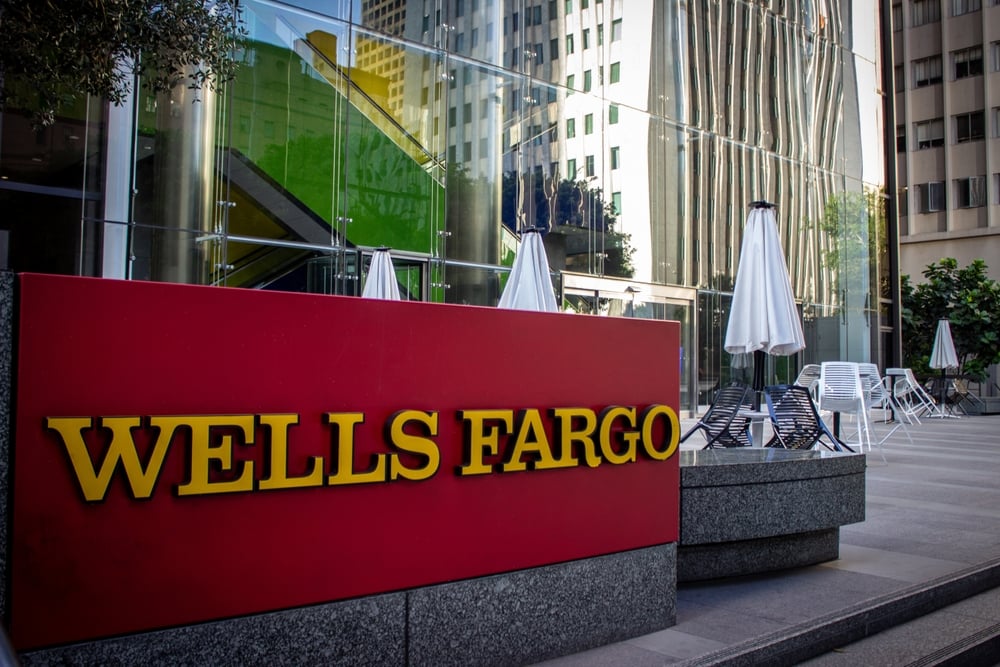
Wells Fargo reported fourth quarter earnings that fell short of analysts’ expectations after booking $612 million in severance expenses tied to Chief Executive Officer Charlie Scharf’s ongoing effort to streamline the bank’s operations. The announcement pushed shares sharply lower, marking the stock’s biggest one day decline in six months.
The severance charge reflects continued workforce reductions as the bank reallocates resources toward long term growth initiatives. Wells Fargo has been working to put years of regulatory issues behind it, having closed seven consent orders last year related to its fake accounts scandal, with one remaining from 2018.
Interest income rises but misses forecasts
Net interest income increased 4% from a year earlier to $12.33 billion, supported by higher loan balances and improved margins. However, the figure came in below market expectations, disappointing investors who had hoped the bank would catch up to peers after regulators lifted its long standing asset cap.
For 2026, Wells Fargo forecast net interest income of about $50 billion, slightly below analysts’ average estimate. Management expects average loan growth in the mid single digit range, driven primarily by commercial lending, auto loans and credit cards.
Mixed outlook despite regulatory relief
Analysts described the quarter as mixed. While interest income lagged forecasts, expenses remain under control and credit quality continues to hold up. Some market observers believe that falling interest rates could support stronger mortgage demand in the second half of the year, offering a potential growth catalyst.
The removal of the asset cap in mid 2025 marked a turning point for the bank, allowing it to expand its balance sheet and grow fee based businesses. Total assets surpassed $2 trillion for the first time, underscoring the significance of the regulatory milestone.
Focus on cards, AI and efficiency
Looking ahead, Wells Fargo plans to invest heavily in new credit card products and artificial intelligence to modernize underwriting, improve customer experience and accelerate product rollouts. Management sees AI as a key lever to improve productivity as the workforce continues to shrink.
The bank ended 2025 with just over 205,000 employees, down steadily each quarter since late 2020. Scharf has signaled that job cuts will continue as efficiency remains a priority.
Policy uncertainty adds pressure
Executives also warned about potential policy risks. A proposed cap on credit card interest rates at 10% could lead banks to scale back lending, potentially reducing access to credit. Wells Fargo said it remains open to discussions with policymakers but urged careful consideration of the broader economic impact.
Despite the quarterly miss, net income rose to $5.36 billion, or $1.62 per share, from $5.08 billion a year earlier. Even so, earnings fell short of consensus estimates, tempering optimism after a year marked by regulatory progress and balance sheet growth.