A Rare Look Inside Musk’s Space Empire
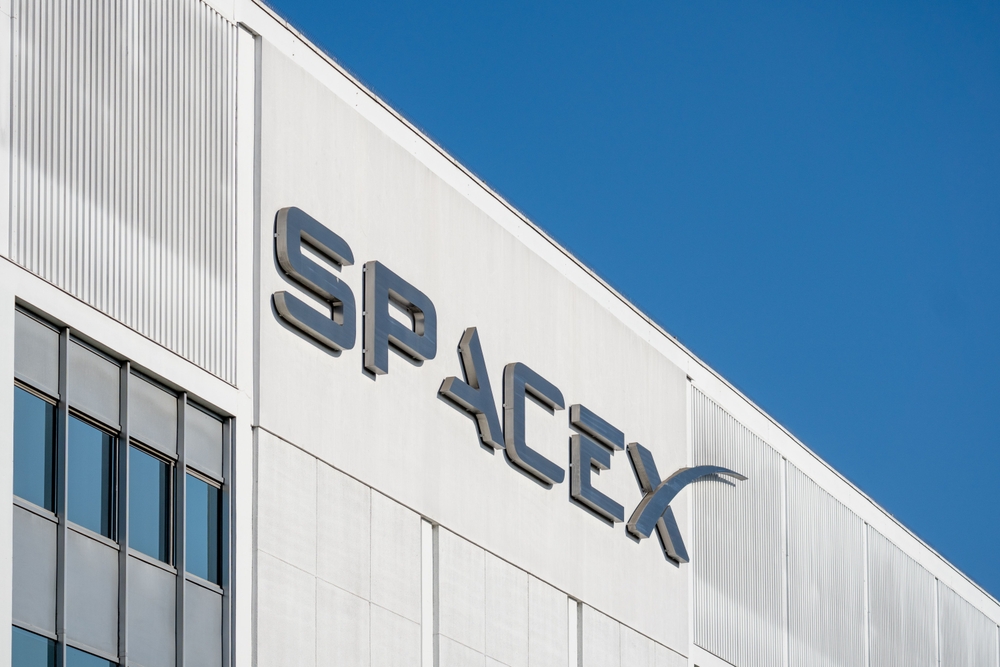
SpaceX unveiled its long-awaited plans to go public on Wednesday, offering an unusually detailed look at one of the world’s most valuable and secretive private companies. Elon Musk’s rocket, satellite and artificial intelligence business plans to trade under the ticker symbol “SPCX”.
The filing disclosed previously private information about SpaceX’s finances, board members, expenses, ownership structure and business model. However, the company did not yet reveal how much it expects to raise or what valuation it will seek in what could become the largest initial public offering in history.
A Mission With Enormous Costs
In its prospectus, SpaceX described its mission as building the systems and technologies needed to make life multiplanetary, understand the universe and extend human consciousness to the stars.
To pursue that vision, the company plans to keep rapidly manufacturing and launching satellites for Starlink, expand its space operations and build artificial intelligence infrastructure. It also described ambitions ranging from space-based data centers to lunar bases and cities on other planets.
Revenue Is Growing, But Losses Are Large
SpaceX generated 18.7 billion dollars in revenue last year, up 33% from the previous year. But the company remains deeply unprofitable, swinging to a 4.9 billion dollar loss in 2025 after posting a 791 million dollar profit in 2024.
The losses have continued into 2026. SpaceX said it lost 4.3 billion dollars in the first three months of the year on 4.7 billion dollars of revenue. The figures show that while demand is rising, the company’s ambitions require spending at a scale that far exceeds current profitability.
AI Infrastructure Drives Spending
SpaceX spent 20.7 billion dollars last year, nearly double the 11.2 billion dollars spent in 2024 and far above the 4.4 billion dollars spent in 2023. The largest portion, 12.7 billion dollars, went toward artificial intelligence.
The company also spent 4.2 billion dollars on Starlink and 3.8 billion dollars on other space ventures, including rockets. In the first quarter of this year alone, SpaceX spent 10.1 billion dollars, including 7.7 billion dollars on AI.
A Massive Market Opportunity
SpaceX said it sees a potential revenue opportunity of 28.5 trillion dollars, which it called the largest actionable total addressable market in human history. That figure includes space-enabled services, connectivity, broadband, mobile, advertising, consumer subscriptions and enterprise AI applications.
The largest portion of that opportunity is tied to artificial intelligence, which SpaceX values at 26.5 trillion dollars. That includes 2.4 trillion dollars for space-based data centers and 22.7 trillion dollars in enterprise applications.
Musk Retains Control
The filing also revealed SpaceX’s board structure. Musk serves as chairman, while president and chief operating officer Gwynne Shotwell is also a director. Other board members include CFO Bret Johnsen, several venture capital and private equity figures, and Google executive Donald Harrison.
Musk controls 85.1% of the company’s voting power through his common shares and dominant Class B share position. His salary has remained 54,080 dollars annually since 2019, but his compensation package could grant him enormous additional shares if SpaceX reaches major valuation milestones, establishes a permanent Mars colony and achieves large-scale space-based computing targets. For investors, the IPO offers exposure to rockets, satellites, AI and Musk’s long-term vision, but also to massive spending, heavy losses and extraordinary execution risk.