Early U.S. data supports optimism for GLP-1 tablet
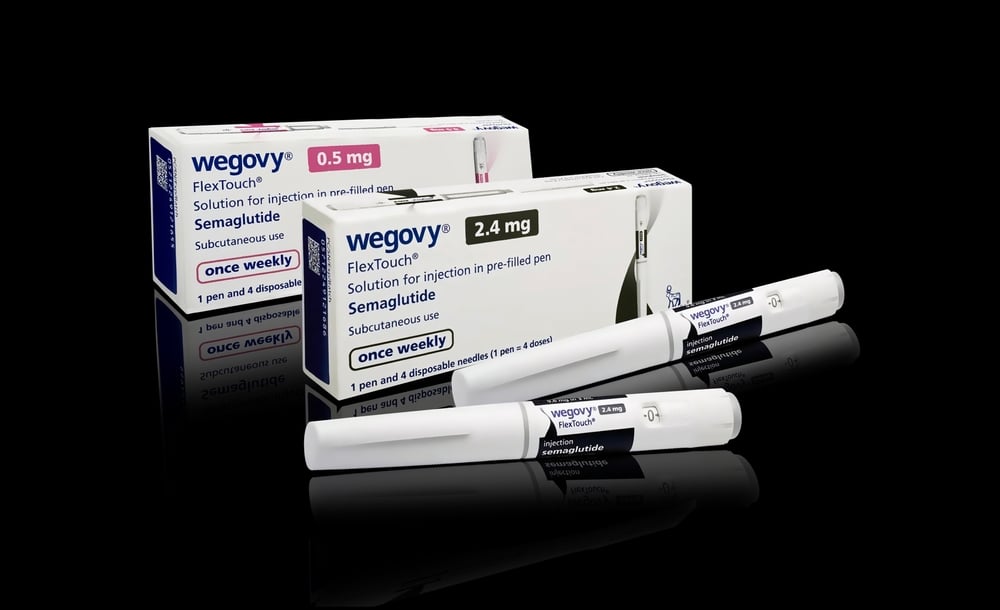
Shares of Novo Nordisk rose more than 8% on Friday after early prescription data showed a promising start for the U.S. launch of the company’s new GLP-1 pill for obesity.
Analysts at TD Cowen described the debut as a “solid start” in a note published Friday, while cautioning that a single data point does not establish a trend. The oral version of Wegovy officially launched on January 5 after receiving regulatory approval in late December.
Prescription volumes exceed early injectable launches
According to Leerink Partners analyst David Risinger, approximately 3,100 prescriptions for the Wegovy pill were filled during its first week on the market, based on IQVIA data for the week ending January 9.
By comparison, Eli Lilly’s obesity injection Zepbound recorded roughly 1,300 prescriptions in its first week following approval in 2023, rising to about 8,000 in its second week.
TD Cowen cited separate data from Symphony via Bloomberg, estimating around 4,290 prescriptions were filled for Novo Nordisk’s pill during its first full week of availability. Most prescriptions were for the starter dose.
Direct-to-consumer channel could lift demand further
Analysts noted that available data may not fully capture prescriptions generated through Novo Nordisk’s direct-to-consumer pharmacy or its telehealth partners, which could represent a meaningful source of additional demand.
Based on the Symphony data, the pill appears to be outperforming injectable obesity drugs at the same stage of launch. More direct comparisons are expected in the coming weeks, although analysts said it may take several quarters to assess the full commercial impact.
Competitive landscape remains dynamic
The early momentum strengthens Novo Nordisk’s position as it seeks to regain market share from Eli Lilly, which dominated early 2025 obesity drug sales and is preparing to launch its own oral obesity treatment later this year.
However, Novo Nordisk’s pill is a peptide-based therapy that requires patients to avoid food and drink for 30 minutes after dosing, a factor that could limit uptake. Eli Lilly’s forthcoming oral drug is a small-molecule therapy and does not carry the same dietary restrictions, potentially giving it an advantage.