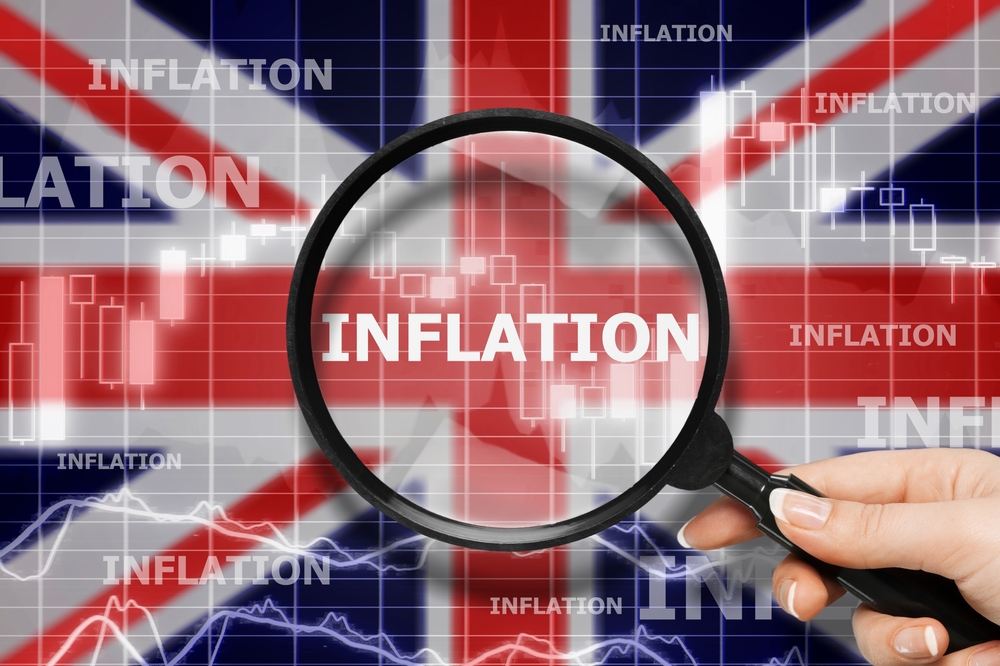
The United Kingdom’s annual inflation rate reached 3.5% in April, surpassing analyst predictions, as the latest data released by the Office for National Statistics (ONS) revealed. Economists had forecasted the consumer price index (CPI) to rise by 3.3%, making this the largest monthly increase since February.
Inflation Trend and Core Inflation Surge
In contrast to previous months of cooling inflation—2.8% in February and 2.6% in March—the data for April revealed a sharp rise. Core inflation, which excludes volatile items like food, alcohol, tobacco, and energy, climbed by 3.8%, up from 3.4% in March.
Key Drivers of Inflation
The increase in inflation was mainly attributed to higher prices in housing, household services, transport, and recreation and culture. However, clothing and footwear saw a slight decrease in prices, somewhat offsetting the overall rise. Additionally, the prices of energy sources such as electricity and gas surged by 6.7%, further exacerbating cost-of-living pressures. Water and sewerage costs also jumped by 26.1%, marking the largest monthly increase in these prices since at least 1988.
Government Response to Inflation
Chancellor Rachel Reeves expressed disappointment over the data, stating that cost-of-living pressures are still affecting working people. Economists pointed to factors such as the increase in the energy price cap and various one-off adjustments—like domestic tax hikes and seasonal changes—as contributors to the inflationary surge. Despite these pressures, the Labour government has pledged to reduce these costs for consumers.
Bank of England’s Concerns
The Bank of England (BOE) faces increased pressure as it navigates economic challenges. The recent rise in core inflation is particularly concerning, as this metric of domestically driven inflation is more easily influenced by the BOE’s policies. This could lead to a reassessment of the BOE’s recent decision to cut its key interest rate to 4.25% earlier in May. According to Nicholas Hyett, investment manager at Wealth Club, the new data may vindicate the BOE’s decision to hold off on further rate cuts, at least temporarily.
Outlook for Interest Rates and Economic Growth
While the BOE expected inflation to temporarily rise to 3.7% during the third quarter due to energy price hikes and other regulated increases, it has maintained a cautious stance on rate cuts. The central bank emphasized that any future cuts would be gradual and measured to avoid exacerbating inflation. However, if U.S. trade tariffs negatively impact global demand and further dampen UK growth, the BOE might reassess its approach.
Economic Growth amid Inflation Pressures
Despite inflation concerns, the UK economy showed some resilience, with preliminary GDP data for the first quarter showing a 0.7% expansion. However, economists warn that the second quarter may not see similar growth, as much of the first-quarter boost came from activity brought forward due to the upcoming U.S. tariffs and tax increases. Nonetheless, Barclays’ chief market strategist Julien Lafargue remains optimistic, expecting inflation to gradually decrease, allowing the BOE room to implement further interest rate cuts later this year.