Growth flatlines amid sectoral weakness
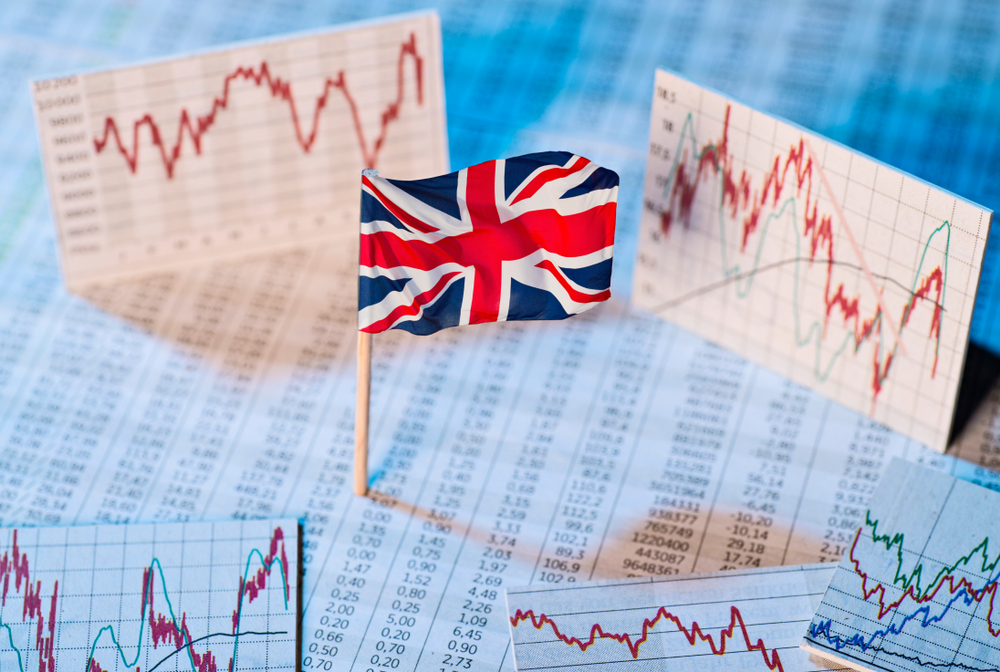
The UK economy showed no growth in July, marking a sharp slowdown from the 0.4% expansion recorded in June, according to the Office for National Statistics (ONS). The stagnation casts a shadow over Chancellor Rachel Reeves’s upcoming budget and raises fresh doubts about Labour’s economic revival plans.
While services and construction sectors posted modest gains, a 0.9% drop in production, particularly in manufacturing, wiped out overall growth. The three-month growth rate to July stood at 0.2%, slightly down from 0.3% in the previous period. The ONS emphasized that multi-month data provides a more stable view of the economy’s health than volatile single-month readings.
Political and market fallout
The flatlining figures come at a sensitive time for the Labour government, with the Treasury acknowledging that the economy feels “stuck” after years of underinvestment. Chancellor Reeves’s £25 billion employer national insurance hike, along with a higher national living wage, is drawing criticism from business groups concerned about rising costs and weakened confidence.
The British Chambers of Commerce urged the government to avoid further taxation in the upcoming autumn budget. They emphasized that SMEs are particularly vulnerable due to cost pressures, which continue to hinder investment and hiring across industries.
Business confidence under strain
Economists warned that uncertainty surrounding potential tax increases could further dampen sentiment. Fergus Jimenez-England of the National Institute of Economic and Social Research noted that “fiscal uncertainty” is likely to constrain growth in the third quarter. Concerns are mounting that Reeves will be forced to introduce new taxes to address downgraded forecasts from the Office for Budget Responsibility.
Liberal Democrat Treasury spokesperson Daisy Cooper criticized the government’s mixed messaging, accusing it of “talking about growth while pulling the handbrake.” She warned that current tax policies risk undermining retail sectors and holding back exporters due to ongoing trade barriers with Europe.
Trade and inflation complicate outlook
The UK’s goods trade deficit widened by £3 billion in the three months to July, reaching £61.9 billion. Although exports to the US increased by £800 million, they remain below pre-tariff levels. Meanwhile, inflation rose unexpectedly to 3.8% in July, complicating the economic picture and limiting the Bank of England’s room to maneuver on interest rates.
The Bank is expected to maintain its benchmark interest rate at 4% in its next meeting, as investors reduce their expectations for near-term rate cuts. Upcoming data on jobs and inflation will offer further insight, though the ONS warned that statistical flaws could affect clarity on key indicators.