Consumer Spending Weakens After March Surge
U.S. retail sales fell 0.9% in May, marking the steepest monthly drop since January and signaling a slowdown in consumer activity. The decline was largely driven by reduced motor vehicle purchases, as the early-year rush to avoid tariff-related price hikes faded. Lower receipts at gas stations, building materials stores, and electronics outlets added to the drag. Still, solid wage growth and rising online and furniture sales helped cushion the blow.
Tariff Volatility Shapes Economic Forecasts
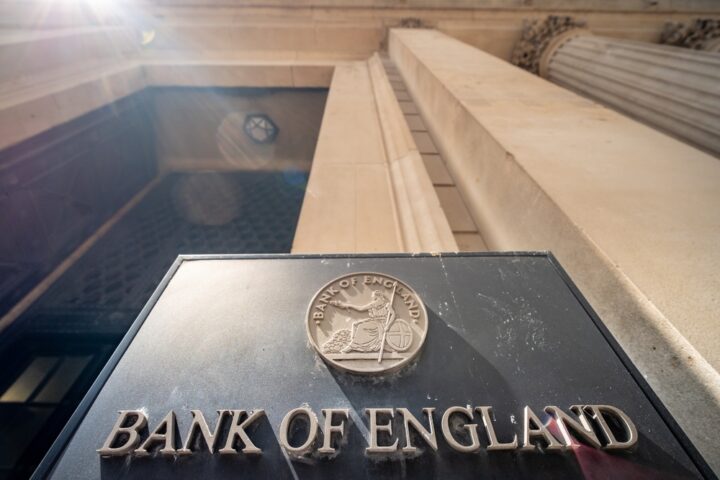
Economic data released Tuesday paints a picture of growing uncertainty. The Commerce Department’s report, combined with weaker factory production figures, suggests domestic demand is softening. Federal Reserve officials, currently in the midst of a two-day policy meeting, are expected to hold interest rates steady at 4.25% to 4.50% while monitoring the effects of President Trump’s evolving tariff strategy and geopolitical tensions.
Manufacturing Shows Mixed Signals
Manufacturing output in May edged up 0.1%, supported by a strong rebound in auto production. However, output declined in several key sectors, including machinery and fabricated metals. Outside of motor vehicles and aerospace, factory activity remains subdued. Many manufacturers are hesitant to invest in new equipment amid trade policy uncertainty, high labor costs, and slowing demand.
Retailers and Consumers Navigate Shifting Landscape
Core retail sales — which exclude autos, gas, building materials, and food services — rose 0.4%, a modest rebound from April’s revised 0.1% decline. Yet downside risks remain. Slowing job growth, resumed student loan repayments, and volatility in household wealth are expected to weigh on spending in the coming months. Rising import prices and a weaker dollar are also adding inflationary pressure, with economists warning that consumer prices could climb this summer as tariff costs filter through supply chains.
GDP Growth Forecasts Remain Strong — for Now
Despite weaker consumption, the Atlanta Fed projects Q2 GDP growth at an annualized rate of 3.5%, aided by a pullback in imports. Still, economists caution that growth may taper off in the second half of the year. As core import prices continue to rise and retail discounting slows, inflation could rebound, complicating the Fed’s policy path. For now, businesses and consumers remain caught in a volatile economic environment shaped by shifting trade rules and uneven demand.