Brent holds above $68 as market absorbs supply boost
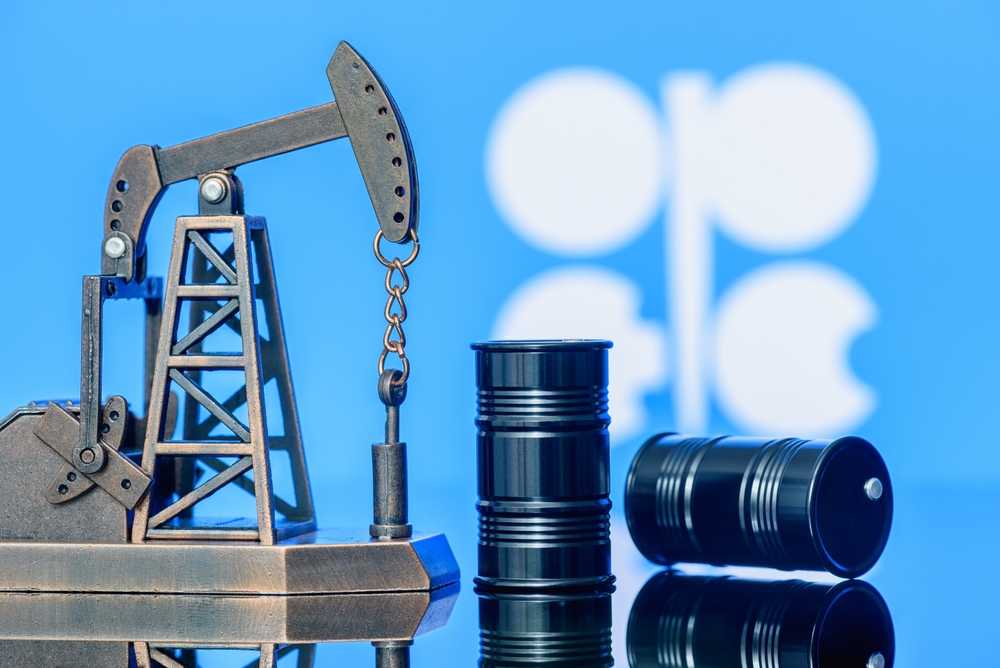
Oil prices edged higher on Monday even after OPEC+ announced a larger-than-expected supply increase for August, signaling confidence that the market can accommodate the added volume. Brent crude climbed above $68 a barrel, reversing early session losses.
The group, led by Saudi Arabia and Russia, said it would raise production by 548,000 barrels per day next month — surpassing the 411,000 bpd increases seen from May to July. Delegates indicated that a similar hike is under consideration for September, potentially bringing total additions to 2.2 million bpd since early 2023.
“The decision to raise prices during the peak summer demand season signals that physical markets remain tight, suggesting the additional barrels can be absorbed — for now,” said Ole Hansen, head of commodity strategy at Saxo Bank.
Asia price hike suggests strong demand
In a further sign of supply confidence, Saudi Arabia raised prices for its flagship crude sold to Asia, the world’s largest oil-importing region. The move surprised customers and highlighted expectations of strong summer demand.
“OPEC+ is clearly taking advantage of a period of tightness in global energy markets,” said Robert Rennie of Westpac Banking. Still, he warned of downside price risks once seasonal demand tapers off after summer.
Policy shifts and geopolitical backdrop
Oil markets have steadied since the temporary pause in hostilities between Israel and Iran, which had earlier pushed Brent prices above $80. With the geopolitical risk premium now diminished, trader focus has shifted to OPEC+ supply decisions and U.S. trade policy.
Officials in Washington have signaled that new tariffs on trading partners may take effect on August 1, creating additional uncertainty in the commodity space.
Market outlook
OPEC+ said its decision was based on “a steady global economic outlook and current healthy market fundamentals.” The next group meeting is scheduled for August 3, when further production hikes will be evaluated.
Goldman Sachs expects the group to follow through on the September increase, completing the phased reversal of 2023’s output cuts. While the near-term outlook remains supported by strong physical demand, analysts caution that the market could soften later in the year.