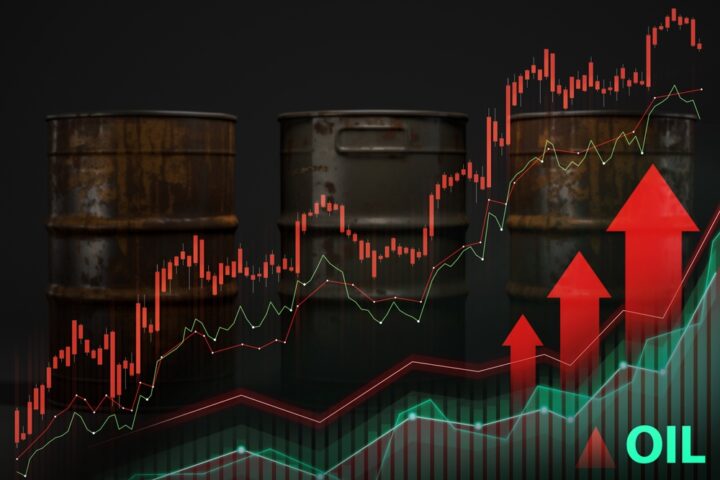
Oil prices jumped by nearly 2% on Tuesday, reaching a two-week high as escalating geopolitical tensions between Russia and Ukraine, along with the ongoing standoff between the U.S. and Iran, signaled that sanctions on both nations might persist for longer. This uncertainty has contributed to a surge in oil prices, providing an additional risk premium to the market.
Geopolitical Tensions Fuel Oil Price Increases
Brent crude futures rose by $1.11, or 1.7%, to $65.74 per barrel, while U.S. West Texas Intermediate (WTI) crude gained $1.17, or 1.9%, reaching $63.69. This puts Brent on track for its highest close since May 14 and WTI on track for its highest close since May 13. Analysts point to persistent geopolitical factors, including significant Ukrainian strikes on Russian targets over the weekend, which have reinvigorated risk premiums in the oil market.
Ongoing Tensions in Ukraine and Iran Impact Global Oil Supply
Russia, a key player in the OPEC+ group, remains embroiled in its war with Ukraine. Despite efforts to negotiate a settlement, Russian officials have stated that the situation remains highly complex, and no imminent resolution is expected. As the second-largest oil producer globally, Russia’s continued involvement in the conflict, combined with uncertainty regarding a potential peace agreement, has kept market participants on edge.
Meanwhile, the U.S. and Iran continue to clash over uranium enrichment, a critical factor that complicates efforts to lift sanctions on Iran, one of the world’s top oil producers. Analysts suggest that these tensions, alongside ongoing negotiations, will continue to drive volatility in global oil markets. Despite being a major player in OPEC, Iran’s future production levels remain closely tied to the outcome of these diplomatic efforts.
Production Disruptions Add to Price Pressure
In addition to geopolitical factors, production disruptions have added to the supply concerns. Wildfires in Alberta, Canada, have significantly impacted oil sands production, cutting output by more than 344,000 barrels per day—approximately 7% of the country’s total crude production. This reduction in supply has further contributed to rising oil prices, as markets react to the possibility of tighter global supply.
Demand Growth Amid Economic Uncertainty
While geopolitical issues and production disruptions drive prices higher, demand growth remains a key factor in the overall market outlook. In Europe, inflation eased below the European Central Bank’s (ECB) target, driven by benign service costs. This reduction in inflationary pressures supports the expectation that central banks, including the ECB, may continue to ease monetary policies, potentially spurring economic growth and, by extension, oil demand.
However, the OECD has revised down its global economic growth forecast, largely due to the continued fallout from U.S. President Donald Trump’s trade policies. The U.S.-China trade conflict, coupled with the broader economic uncertainties it causes, could weigh on global oil demand in the long term. These concerns are compounded by trade negotiations that are ongoing, with the White House seeking more favorable terms from various international partners.
Oil Prices Outlook
As tensions in key regions persist and production disruptions continue to affect global oil supply, oil prices are likely to remain volatile. Geopolitical uncertainty and supply constraints continue to provide upward pressure on prices, while concerns over economic growth may dampen long-term demand growth. The market will closely monitor any shifts in the trade policy and diplomatic relations between the U.S. and other global powers as these factors unfold.