Hormuz Leverage Comes At A Domestic Cost
Iran’s control over the Strait of Hormuz has disrupted global energy supplies and intensified pressure on the world economy, but the war is also testing the Islamic Republic’s own ability to withstand financial strain. The country is facing surging prices, job losses, business closures and deepening pressure on households.
The economic cost of the war and the US naval blockade has been described as substantial and unprecedented for Iran. While analysts say the country may avoid a complete collapse or total shortage of essential goods, the burden is being pushed heavily onto ordinary citizens.
Inflation Hits Food And Basic Goods
The International Monetary Fund has forecast that Iran’s economy could shrink by about six percentage points in the next year. Iran’s official statistics center reported annual inflation of 53.7% in mid-April, while food inflation rose above 115% compared with the same period last year.
The rial has also lost more than half its value over the past year, falling to a record low of 1.9 million to the dollar at the end of last month. These pressures helped fuel large protests across the country in January and have continued to erode purchasing power.
Households Cut Back On Essentials
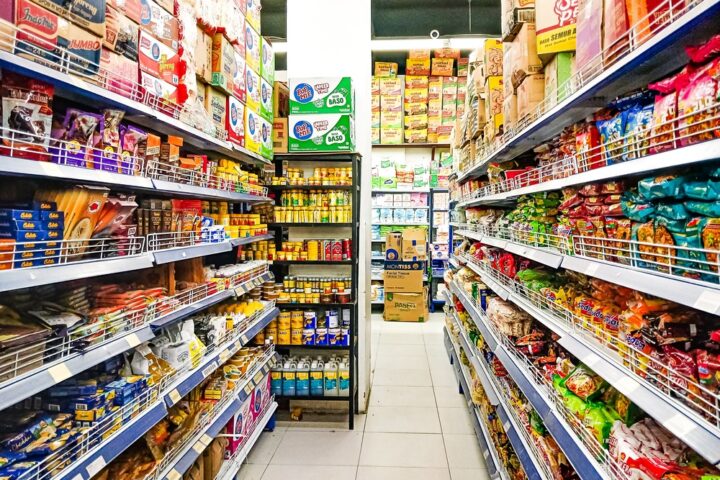
Prices for basic goods have risen sharply since the war began. An Associated Press review of grocery stores in Tehran found that chicken and lamb were up 45%, rice rose 31% and eggs increased 60% compared with February levels before the conflict started.
Taxi drivers and street workers described a daily struggle to afford essentials. Many households are reducing purchases to the bare minimum, focusing on items such as bread and potatoes while cutting back on meat, eggs and other staples that have become too expensive.
Relief Measures Risk More Inflation
Iranian authorities have introduced measures intended to help households manage rising prices, including a 60% increase in the minimum wage and coupon programs for essential goods. However, economists warn that these policies could add to inflationary pressure.
Free bus and metro fares in Tehran have also had unintended consequences for taxi drivers, who are already facing fewer customers and rising vehicle maintenance costs. Some drivers said prices for tires and car parts have increased severalfold in less than a year.
The Middle Class Faces Further Erosion
The war is accelerating the decline of Iran’s once large middle class, already weakened by decades of sanctions, corruption and economic mismanagement. By 2019, Iran’s middle class had fallen to around 55% of the population, and analysts say new pressures have pushed that figure lower.
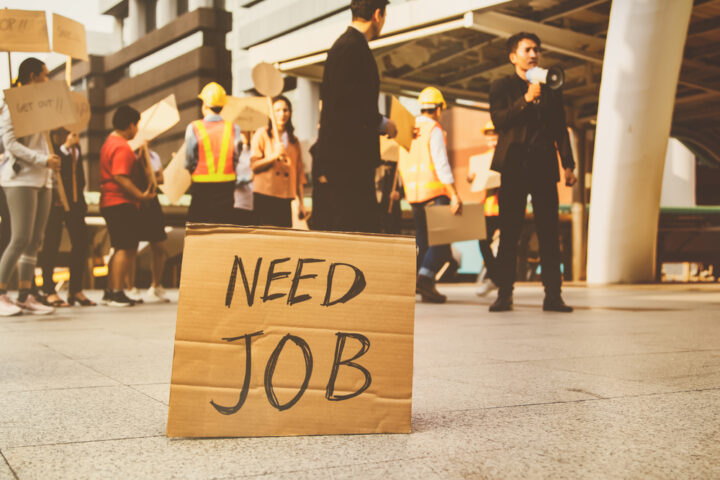
A report from the UN development agency warned that the war could push several million Iranians below the poverty line. Job losses are spreading across factories, companies, startups and service businesses, forcing many people to look for informal work or alternative income sources.
Leaders Ask The Public To Endure
Iran’s leaders are trying to maintain domestic support by framing the crisis as an economic battlefield. Mojtaba Khamenei urged employers to avoid layoffs where possible, while parliament speaker Mohammad Bagher Qalibaf called on citizens to be frugal and said the government and public must help each other manage the impact.
The stakes remain high because more than 90% of Iran’s trade, including oil exports, moves through its southern ports. For investors and policymakers, Iran’s domestic crisis adds another layer to the conflict: the same pressure that gives Tehran leverage over global energy flows is also weakening its own economy, intensifying social strain and complicating any path toward a negotiated settlement.