New York Fed Warns Of Growing Strain
The K-shaped economy is now being linked to a sharp increase in food insecurity, according to a new blog post from the Federal Reserve Bank of New York.
The post, based on data from the Survey of Consumer Expectations, found that large segments of the U.S. population are facing high levels of financial strain, even as the broader economy continues to expand.
Lower- And Middle-Income Households Hit Hardest
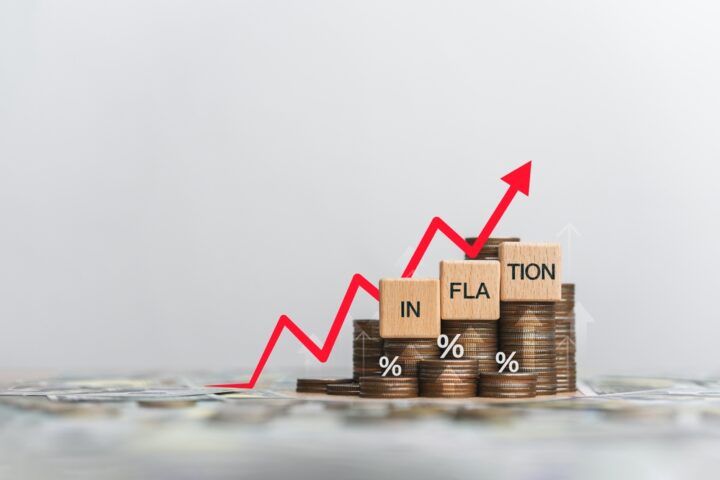
Lower- and middle-income households have been the most affected by prolonged inflation. These families spend a larger share of their income on essentials such as housing, food and utilities.
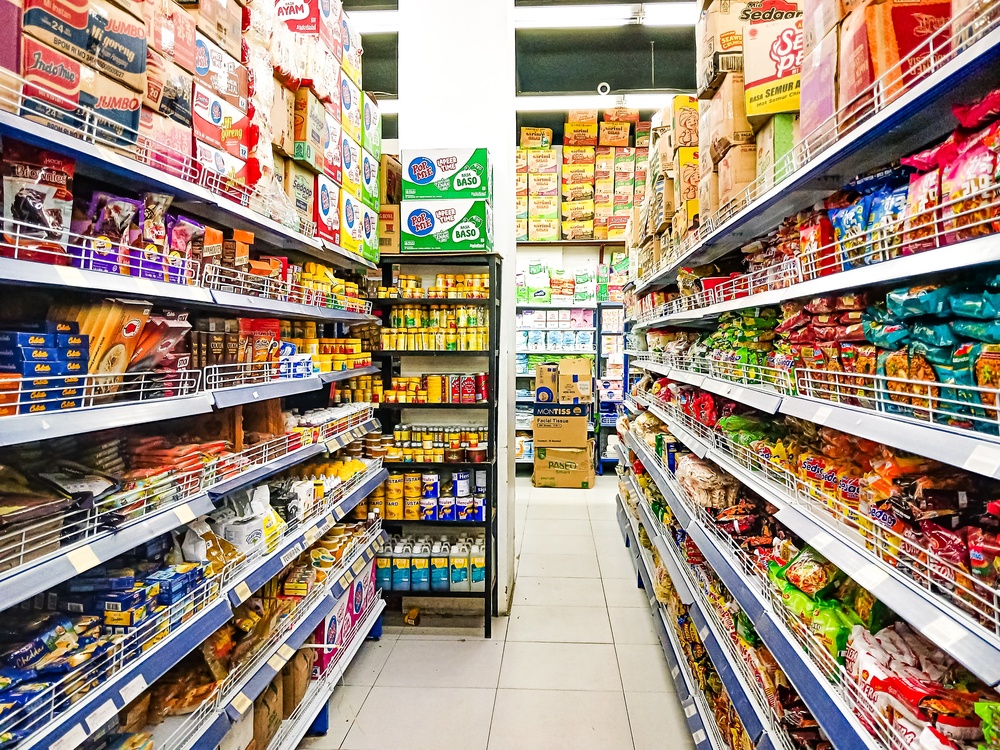
Because those categories have seen sharp price increases since the pandemic, many households have had to cut back on groceries and other basic purchases, the New York Fed researchers found.
SNAP Cuts Add More Pressure
The higher cost of living has coincided with cuts to the Supplemental Nutrition Assistance Program, or SNAP, raising renewed concerns about food insecurity among households at the lower end of the K-shaped economy.
Researchers noted that families have struggled with the expiration of pandemic-era support, including expanded SNAP benefits. More recently, President Donald Trump’s “big beautiful bill” tightened work requirements for SNAP recipients.
Food Insecurity Remains Elevated
Nearly 14% of American households were food insecure in 2024, according to the latest report from the U.S. Department of Agriculture.
The New York Fed said food insecurity may help explain why many Americans feel worse off financially, even though the economy has expanded at a solid pace since the Covid pandemic.
Consumer Sentiment Keeps Falling
After several financial shocks, consumer sentiment has continued to weaken. The University of Michigan Surveys of Consumers, a widely watched measure of household confidence, reached record lows in May.
The New York Fed researchers said consumers overall remain pessimistic about their own financial situation and outlook, with major differences across income groups.
The K-Shaped Economy Widens
The K-shaped economy describes a split recovery in which wealthier households continue to benefit while lower-income households fall further behind.
Stock market gains and rising home values tend to support higher-income households, which are more likely to own financial assets and real estate. Lower-income households, by contrast, have been more exposed to rising prices and weaker purchasing power.
Gasoline Prices Deepen The Divide
Gasoline prices are adding another burden for households on the lower side of the K. The national average gasoline price reached 4.46 dollars a gallon on Wednesday, up about 40% from a year earlier, according to AAA.
Higher fuel costs affect commuting, household budgets and the price of transported goods, making inflation more painful for families with less financial flexibility.
Wealth Gains Concentrated At The Top
The New York Fed researchers said the upper side of the K-shaped economy reflects high and rising levels of net wealth.
The lower side represents a significant share of middle- and lower-income households facing economic uncertainty, financial hardship and difficulty covering basic needs.
Many Expect Conditions To Worsen
The New York Fed’s monthly Survey of Consumer Expectations, released May 7, found that about one-third of households expect to be in a worse financial situation one year from now.
That pessimism underscores the gap between headline economic growth and lived household experience. While asset-owning households benefit from rising markets and wealth gains, millions of Americans remain squeezed by food costs, rent, utilities, gasoline and reduced support programs.