Beijing prepares new economic blueprint amid global tensions
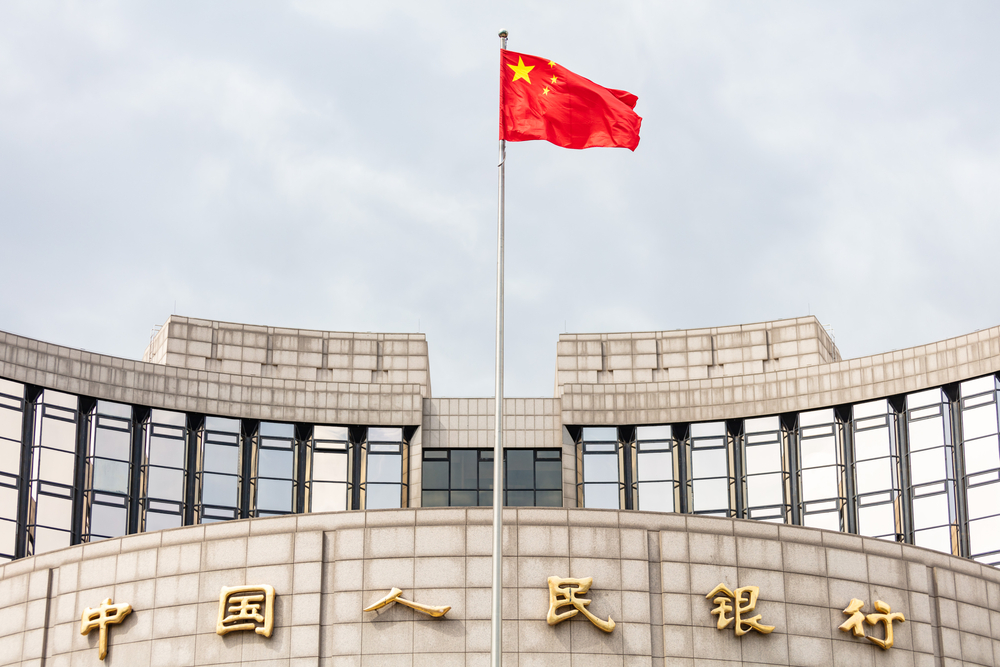
China can sustain annual GDP growth of 4.5 to 5 percent over the 2026–2030 period, according to former vice-finance minister Zhu Guangyao. Speaking just days before the Communist Party’s fourth plenum, Zhu expressed confidence in the country’s economic direction during a conference hosted by the Chongyang Institute for Financial Studies at Renmin University.
“We have full confidence that we will accomplish the economic development goal this year. The economic growth will be around 5 percent,” Zhu stated. He added that maintaining this momentum over the next five years would lay a strong foundation for achieving China’s 2035 modernization goals.
Strategic focus ahead of key policy meeting
The four-day plenum, beginning Monday, will gather members of the Central Committee to define priorities for China’s 15th five-year plan. The meeting comes at a pivotal time as China navigates its rivalry with the United States and positions itself for high-quality growth.
The upcoming plan, to be finalized in March during China’s national legislative session, will include goals across various sectors. Zhu highlighted artificial intelligence, robotics, and emerging tech industries as essential pillars for the country’s future development.
Resilience amid chip restrictions and climate commitments
Geopolitical pressures continue to shape China’s industrial strategy. U.S. export restrictions have effectively cut off Nvidia’s advanced chip sales to Chinese firms. Nvidia CEO Jensen Huang confirmed that its market share in China had dropped from 95 percent to zero due to tightened U.S. regulations.
Despite these obstacles, China remains committed to its clean energy transition. In 2024, it generated over 10,000 terawatt-hours of electricity — more than the U.S., EU, and India combined. Clean power sources like solar and wind accounted for 84 percent of electricity demand growth, while fossil fuel generation declined by 2 percent in the first half of the year.
Climate goals remain central to economic vision
Zhu also reaffirmed China’s pledge to peak carbon emissions by 2030 and reduce them by 7 to 10 percent by 2035. President Xi Jinping, in a recent address to the United Nations, committed to raising non-fossil fuel energy production to over 30 percent, installing 3,600 GW of solar and wind capacity, and expanding the national carbon trading market.
In contrast, the U.S. under President Trump has pulled back from international climate goals, casting doubt on the long-term sustainability of its own energy policy. China’s strategic consistency, both economically and environmentally, is emerging as a counterweight in the global landscape.