Davos speech signals shift in global power dynamics
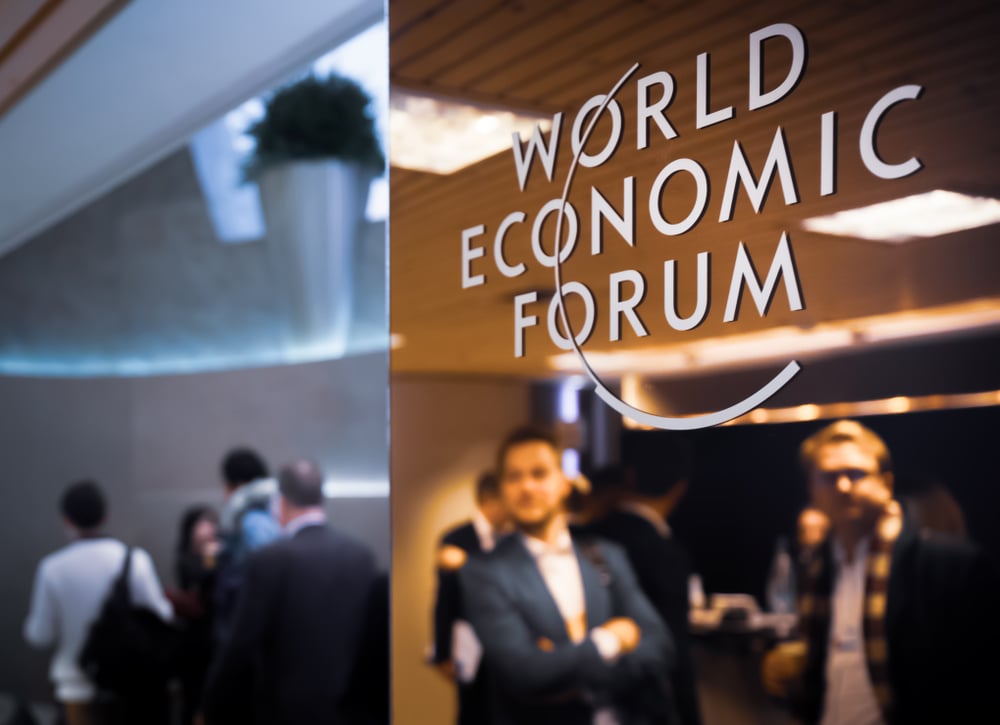
Canadian Prime Minister Mark Carney delivered a stark assessment of the global landscape at the World Economic Forum in Davos, warning that the international system is undergoing a fundamental rupture rather than a gradual transition.
Speaking to political and business leaders, Carney argued that the rules-based order that defined recent decades is eroding, giving way to an era marked by great-power rivalry, economic blocs and reduced global cooperation.
Intermediate powers seek new alliances
Carney said countries such as Canada, Australia and the United Kingdom can no longer rely on the implicit stability once provided by U.S. leadership. Instead, he stressed the need for “intermediate powers” to diversify their alliances and trade relationships.
As part of this strategy, Canada is exploring deeper economic engagement with the European Union, China, India and Mercosur, framing these moves as a form of strategic insurance in an increasingly fragmented world.
From globalization to economic fortresses
The prime minister warned that the global economy is drifting toward a system of competing economic blocs, a development he described as a “world of fortresses.” Such a shift, he said, risks making economies poorer, more fragile and less sustainable over time.
Carney emphasized that nostalgia for the previous global order offers no practical solution, arguing that governments must adapt to new realities rather than expect a return to past norms.
Gold surge reflects rising systemic anxiety
Carney’s remarks coincided with growing signs of stress in global financial markets. Gold prices surged toward the $5,000-per-ounce level, while silver also reached historic highs, movements widely interpreted as signals of declining confidence in traditional financial systems.
Rising precious metal prices have been accompanied by renewed debate over fiscal sustainability, mounting sovereign debt and the long-term stability of fiat currencies.
Central banks adjust reserve strategies
Several central banks have increased gold purchases in recent months, seeking to reduce reliance on foreign currency reserves. Poland announced plans to add significant amounts of gold to its reserves, citing geopolitical instability and the need for financial resilience.
China, Russia and India have also been reducing exposure to U.S. assets while increasing bullion holdings, reflecting broader concerns about sanctions risk, trade conflicts and monetary policy uncertainty.
A more fragmented global future
The combination of geopolitical tensions, rising debt levels and shifting reserve strategies suggests a world moving toward greater fragmentation. While the exact shape of the emerging order remains unclear, Carney argued that governments must prepare for a period of heightened volatility and reduced trust between nations.
“The old system is not coming back,” he said. “The challenge now is navigating what comes next.”