Markets expect fifth cut as economy stalls
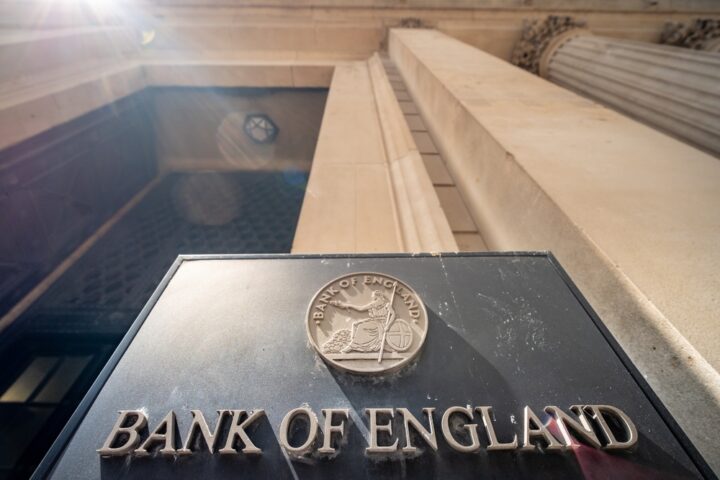
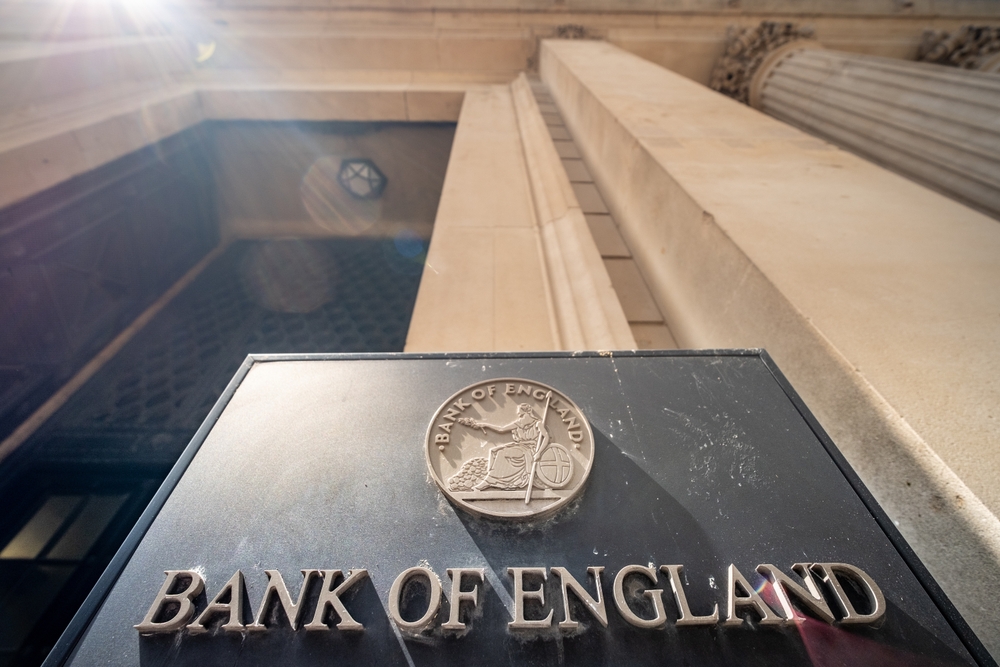
The Bank of England is poised to lower interest rates this week in an effort to support a stalling UK economy under pressure from rising unemployment and global trade disruption caused by President Donald Trump’s renewed tariff push. Traders are pricing in an 80% chance that the Monetary Policy Committee (MPC) will cut the base rate by 0.25 points to 4%, marking the fifth rate cut since August and returning rates to March 2023 levels.
Markets also anticipate another quarter-point cut before year-end, as concerns grow over falling demand and a softening labor market. Chancellor Rachel Reeves is expected to welcome the move, which could reduce mortgage payments and borrowing costs for businesses facing tight margins.
Recession fears grow as economy contracts
The UK economy shrank by 0.1% in May and 0.3% in April, attributed by analysts to fallout from Trump’s tariffs and domestic tax changes introduced in April. The trade environment has deteriorated after Trump announced fresh tariffs of up to 50% on U.S. trading partners, denting global growth expectations despite a UK-U.S. deal capping mutual tariffs at 10%.
Unemployment rose to 4.7% in the three months to May, its highest level since mid-2021, while job vacancies dipped below pre-pandemic levels, suggesting further weakness ahead. The IMF recently forecast that UK GDP would expand by only 0.1% through the second half of the year, with modest improvement expected in 2026.
Inflation and wage pressures complicate rate outlook
Despite a slowing economy, inflation remains above the Bank’s 2% target. The consumer price index rose 3.6% in the year to June, driven largely by food prices. Increases in items such as meat and butter have defied expectations, intensifying pressure on households and raising inflation expectations.
Matt Swannell, chief economic adviser at the EY Item Club, noted that while wage growth has cooled more quickly than anticipated, the recent spike in food prices could split the MPC. Two hawkish members may vote against a rate cut, arguing that inflation risks remain too high.
Outlook: stagflation risk and policy dilemmas
The MPC will release updated economic forecasts alongside its rate decision, and analysts expect a more pessimistic tone. With stagnant growth and persistent inflation, the UK could face a period of stagflation. Policymakers must balance the need to stimulate the economy with the risk of letting inflation expectations become entrenched.
For now, markets appear confident in further easing, but divisions within the MPC highlight the challenge of navigating through simultaneous inflation and slowdown.