Markets shift from rate-cut hopes to fears of tighter policy
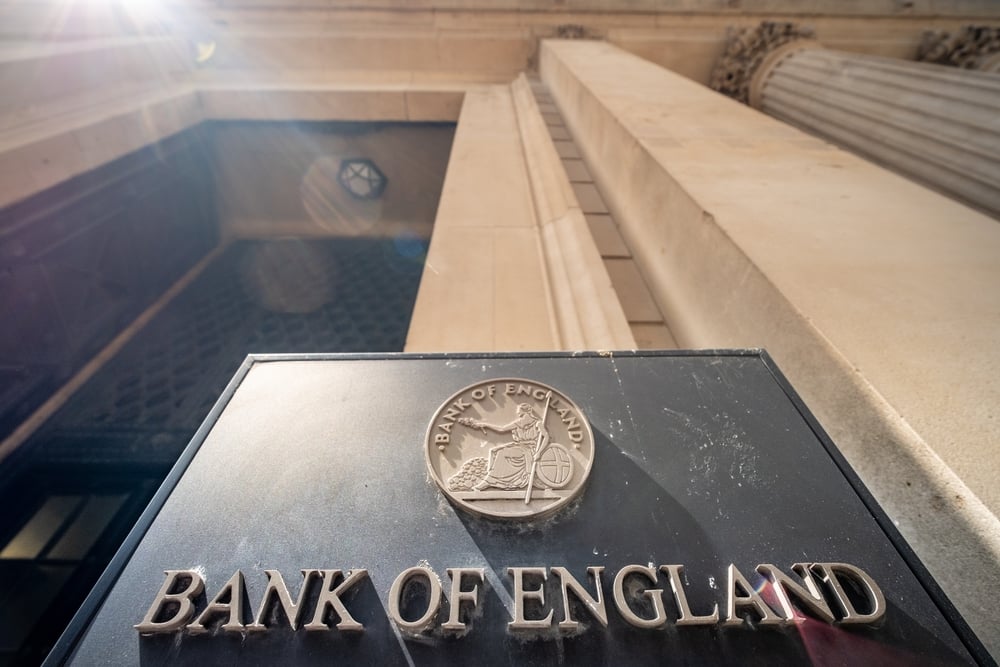
The Bank of England has left interest rates unchanged, but the decision did little to calm markets increasingly worried that the conflict involving Iran could push inflation higher and force borrowing costs up again later this year. The Monetary Policy Committee voted unanimously to keep the base rate at 3.75 percent, yet the tone of the announcement signaled that policymakers are now dealing with a fresh external shock rather than the gentler disinflation path investors had expected before the war began.
That shift was visible immediately across financial markets. Sterling strengthened against the dollar, UK government borrowing costs rose and the FTSE 100 fell as traders moved to price in the possibility of two interest-rate increases before the end of the year. What had previously looked like a likely sequence of rate cuts has been replaced by a more uncomfortable possibility: that the Bank may have to tighten policy again just as households and businesses were hoping for some relief.
The concern stems from energy. The Bank said the war had delivered a new shock to the economy and would lead to higher inflation in the short term than previously expected. In practice, that means the UK is once again facing a familiar and politically difficult pattern, where external events push up fuel and utility costs and leave the central bank trying to stop that pressure from feeding more broadly into prices and wages.
Energy shock revives inflation fears
Governor Andrew Bailey made clear that the immediate trigger for the Bank’s caution is the rise in global energy prices caused by the conflict in the Middle East. He said the effect was already visible at petrol stations and warned that, if it persists, households would feel the impact more directly through higher energy bills later in the year. The message was that inflation is no longer moving down in the straightforward way policymakers had hoped.
Before the outbreak of the war, the outlook had been improving. Inflation was expected to ease from its current level of 3 percent toward about 2 percent, helped in part by measures in Chancellor Rachel Reeves’s autumn budget aimed at reducing household energy costs. That path now looks less secure. The Bank said inflation would probably rise to around 3.5 percent in March and remain more than a full percentage point above its 2 percent target throughout 2026.
That creates an awkward policy problem. The Bank cannot do much to bring down oil prices directly, but it can try to stop a temporary energy shock from becoming a longer-lasting inflation problem. That is why officials stressed that they stand ready to act if necessary, even while leaving rates unchanged for now.
Bailey tries to cool expectations of immediate hikes
The market reaction suggested investors saw the statement as opening the door to higher rates, but Bailey later tried to push back against the most aggressive interpretation. He cautioned against drawing firm conclusions that the Bank was preparing to raise borrowing costs soon and said the right place for policy at present was on hold. That attempt to steady expectations reflects the Bank’s difficulty in balancing two messages at once: inflation risks have worsened, but policymakers do not yet want to signal that tightening is inevitable.
Even so, the internal mood on the committee appears to have changed. Some members who might have supported a cut before the war are now more cautious, while others have openly raised the possibility that rates may need to move higher if the inflation shock proves sustained. That matters because it shows the conflict has not just altered market expectations. It has also reshaped the balance of views inside the Bank itself.
The change is especially striking given the earlier data backdrop. Figures published on Thursday showed wage growth slowing sharply in the three months to January, while unemployment held at 5.2 percent, the highest level in five years. Under calmer external conditions, those numbers might have strengthened the case for easier policy. Instead, they are being overshadowed by energy and inflation fears.
Households and government face renewed pressure
The implications extend well beyond the central bank. If financial markets are right and borrowing costs move higher again, the effect will feed through to mortgages and consumer finances at a time when many households are still dealing with the aftermath of the cost of living crisis. Analysts already note that five-year fixed mortgage rates are climbing back toward levels not seen since early 2025, a development that could hit confidence and spending just as the economy struggles to regain momentum.
The pressure also falls on the government. Reeves is already exploring options for an energy support package to shield vulnerable households, and a renewed rise in rates would make that task more urgent and more politically costly. For Labour, the risk is that a growth strategy built partly on the prospect of lower borrowing costs now faces a more hostile environment, one shaped by imported inflation and renewed financial strain.
The Bank of England’s message was intended to buy time rather than trigger panic. But the broader signal from Thursday was unmistakable. The war has disrupted the UK’s inflation outlook, unsettled the path for interest rates and reopened a debate many had hoped was fading. Instead of preparing for relief, Britain is once again confronting the possibility that external energy shocks will keep monetary policy tighter for longer.