Consumer prices surge beyond expectations
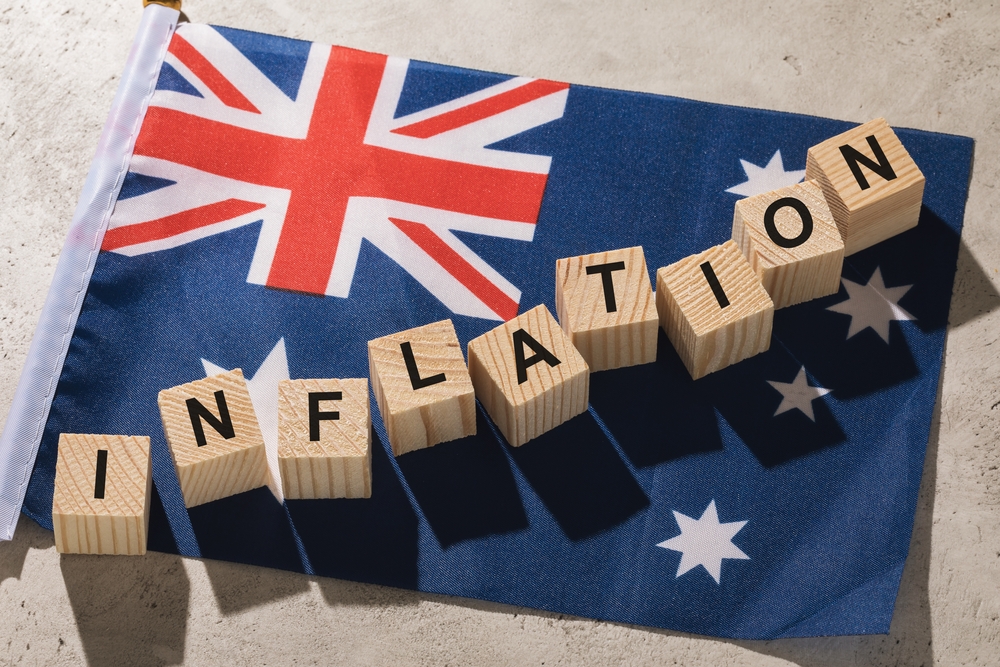
Australia’s monthly consumer price index rose 2.8% in July from a year earlier, sharply higher than June’s 1.9% and surpassing forecasts of 2.3%. The spike, driven largely by electricity and travel costs, dampens expectations for an interest rate cut in September. Investors now see just a 22% chance of a cut next month, down from 30% prior to the data release.
Electricity prices surged 13% month-on-month as federal rebates in New South Wales and the Australian Capital Territory expired. School holiday demand also pushed travel and accommodation costs up by 5%, contributing to the 0.9% month-over-month rise in overall CPI.
Core inflation reaccelerates
The trimmed mean measure of core inflation climbed to 2.7% year-on-year in July, up from 2.1% in June. A broader core measure excluding holiday travel and volatile items reached 3.2%. These figures indicate underlying inflationary pressures remain despite the headline volatility.
Russel Chesler of VanEck noted that the sudden CPI increase is unlikely to significantly shift market sentiment, citing the strength of the labor market and the recency of the last rate cut. Similarly, Moody’s Analytics economist Sunny Kim Nguyen emphasized that service-sector prices have yet to cool, keeping core inflation slightly above the Reserve Bank of Australia’s (RBA) comfort zone.
RBA faces policy dilemma
The Reserve Bank cut rates earlier this month for the third time and had left the door open to further easing, depending on economic indicators. July’s CPI report complicates that outlook, especially as the RBA had forecast inflation to pick up to 3.1% by mid-2026, partly due to the scheduled expiry of government electricity subsidies.
Michelle Marquardt of the Australian Bureau of Statistics confirmed that new rebates will be reflected in August’s data, potentially easing the energy price component. Nonetheless, persistently elevated core readings may delay monetary easing beyond November.
Market reaction subdued
The Australian dollar saw only a brief uptick before returning to $0.6494, while bond markets recovered quickly. Three-year bond futures dipped only slightly following the release. Analysts continue to predict that November remains the more realistic timeline for a rate adjustment, contingent on inflation easing and sustained labor market strength.