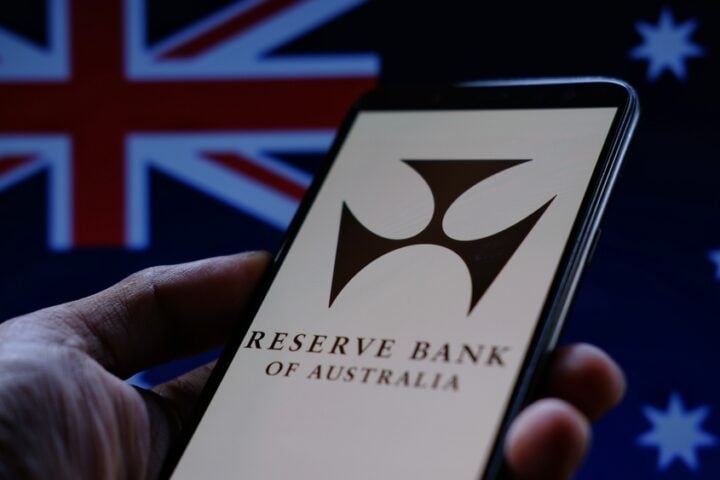
Australia’s economy showed only minimal growth in the first quarter of 2025, highlighting the country’s ongoing economic struggles. Consumer spending remained subdued, and government expenditure, which had previously been a driving force, came to a standstill, signaling the need for further policy stimulus. The Reserve Bank of Australia (RBA) has already cut interest rates twice this year, bringing the rate to 3.85%, and is now considering additional cuts as trade tensions and global uncertainty weigh on the economy.
First-Quarter GDP Growth Falls Short
Real gross domestic product (GDP) grew just 0.2% in the March quarter, a sharp slowdown from the 0.6% increase in the previous quarter. This result fell short of the market’s forecast of 0.4% growth. Annual growth was flat at 1.3%, well below the expected 1.5% and far from the 2.5% pace that had been considered typical for the economy. The weak result, partly attributed to adverse weather events, has analysts lowering their growth expectations for the rest of the year.
Private Demand Continues to Lag
Pat Bustamante, a senior economist at Westpac, noted that the expected recovery in private demand has yet to materialize, leaving the economy vulnerable to further sluggish growth. “Without a material pick-up in private demand, the economy could be set for a period of subdued growth,” Bustamante said. The lack of progress in boosting demand is raising concerns about the long-term health of the economy.
Tariffs and Weather Impact Growth
The Australian Bureau of Statistics (ABS) noted that government spending was flat, contributing the largest drag on growth since 2017. In addition, extreme weather events affected key industries, including mining, tourism, and shipping, which compounded the slowdown in domestic demand and exports. GDP per capita also contracted by 0.2% in the quarter, marking a negative growth for the first time in several periods.
Rate Cuts Expected to Support the Economy
Market expectations are leaning heavily towards further rate cuts by the RBA. Swaps pricing suggests an 80% probability of a rate cut in July, with a total easing of nearly 100 basis points expected by early 2026, bringing the cash rate down to 2.85%. Analysts believe that further rate reductions could boost consumer confidence and stimulate spending, particularly as household savings remain high.
Household Savings and Consumption
The household savings ratio jumped to 5.2%, the highest since the third quarter of 2022, as consumers opted to save rather than spend. Despite lower borrowing costs and cooling inflation, household consumption rose only modestly by 0.4% in the quarter, contributing just 0.2 percentage points to GDP growth. Rabobank’s Benjamin Picton believes that if rate cuts continue, they may help increase consumer confidence, which could lead to a more significant uptick in household spending.
Inflation Moderates, Productivity Stagnates
Inflation showed continued signs of moderation, with the deflator for domestic demand rising by just 0.5% in the quarter, the slowest pace in four years. However, Australia’s productivity performance remains a concern, with output per hour flat for the quarter and down 1% for the year. Despite efforts to boost productivity, significant improvements are slow to materialize.