Stellantis CEO Antonio Filosa is pushing ahead with a sales turnaround plan for the automaker, with a particular focus on restoring U.S. market share for its Jeep and Ram brands after years of declining sales.
Speaking to reporters on Wednesday at the Detroit Auto Show, Filosa said the company’s strategy is solid but hinges on execution. “The strategy that we have in front of us is a strong one and will lead us to growth if we execute well,” he said, adding that 2026 will be “a year of execution.”
Filosa did not rule out the possibility of refocusing or shrinking Stellantis’ broad portfolio of brands, which includes Fiat and Alfa Romeo. Both Italian brands have struggled to gain traction in the U.S. market. However, he said he believes the group should remain intact, pushing back against speculation that selling off assets or brands could be the better option.
The next phase of the company’s plan will be discussed later this month at a meeting with more than 200 executives. That gathering will focus on preparations for an upcoming capital markets day, company culture and execution priorities for 2026.
Investors have been waiting for clarity on Stellantis’ direction following the exit of former CEO Carlos Tavares. Tavares left amid weak sales and financial performance as the company pursued ambitious targets under its “Dare Forward 2030” plan, which aimed for profit margins of at least 10% and a doubling of net revenues.
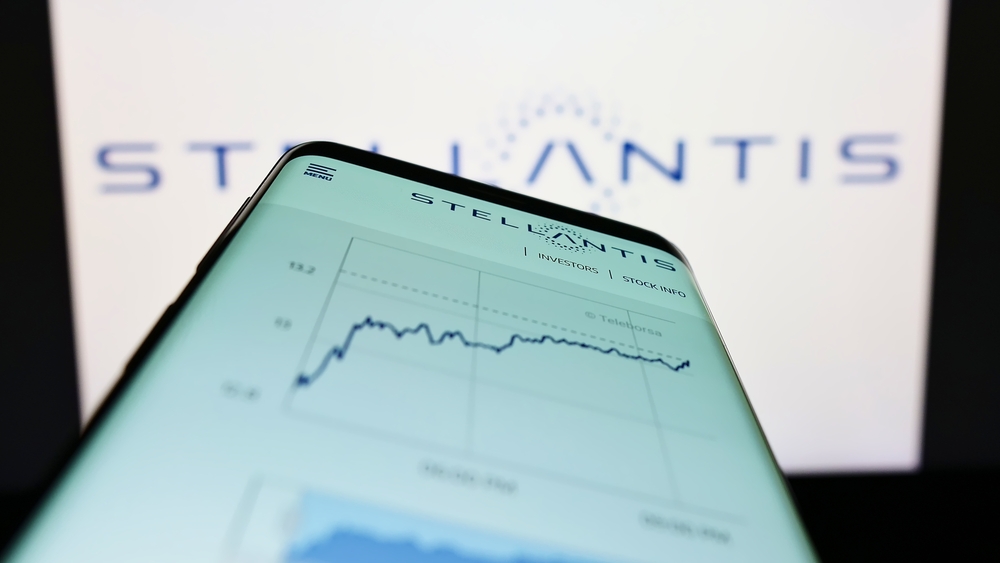
Since Filosa took over as CEO on June 23, Stellantis shares in the U.S. are up 2%, though they closed Friday at $9.60, down 4.2% on the day.
Filosa has avoided revisiting past missteps, but company executives have previously said that an intense focus on cost-cutting and profitability under the previous leadership damaged products, employee morale and relationships with suppliers, unions and dealers.
Much of Filosa’s early tenure has been dedicated to rebuilding those relationships, particularly with U.S. dealers. He has also approved significant changes to product strategy, including price reductions and a shift in focus away from electrified vehicles.