Massive acquisition to boost satellite 5G network
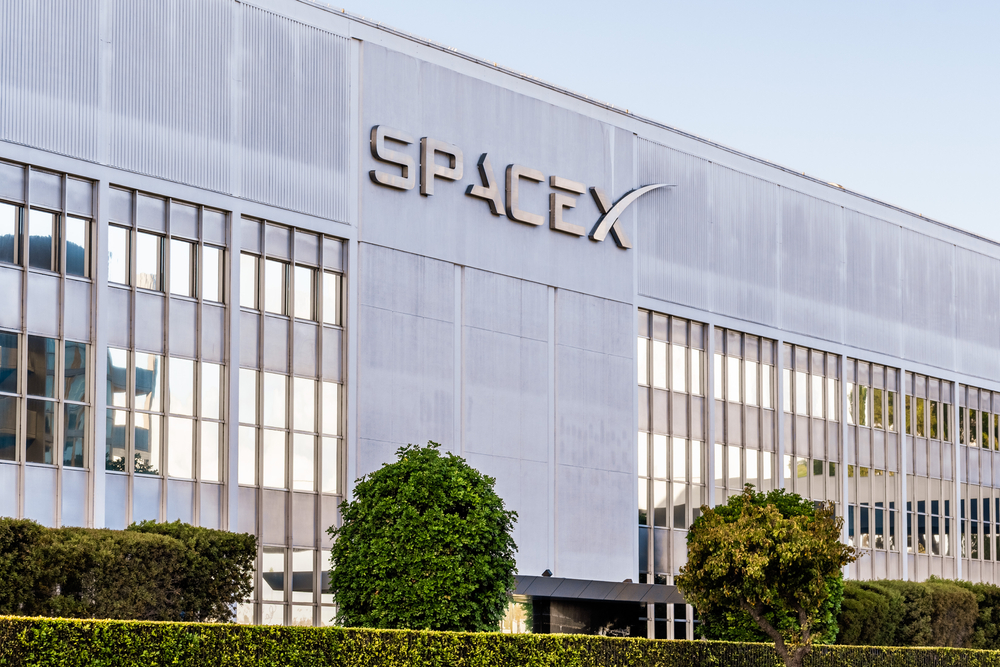
SpaceX announced Monday it will acquire wireless spectrum licenses from EchoStar for approximately $17 billion, marking a critical move to scale its Starlink satellite network and expand its nascent direct-to-cell 5G connectivity business. The deal includes $8.5 billion in cash and up to $8.5 billion in SpaceX stock, alongside an agreement to cover $2 billion in interest on EchoStar’s debt through 2027.
The companies also finalized a separate agreement enabling EchoStar’s Boost Mobile customers to access Starlink’s satellite-to-phone service. This move is expected to dramatically improve connectivity in underserved areas by bypassing the need for traditional cell towers.
Laser-linked satellites and spectrum ownership
With the newly acquired spectrum, SpaceX plans to accelerate the deployment of next-generation Starlink satellites equipped with laser connections. These satellites, described by SpaceX as “cell towers in space,” are designed to increase network capacity by more than 100 times. About 600 of these have already been launched since January 2024.
Gwynne Shotwell, SpaceX’s president and COO, emphasized the company’s ambition to “end mobile dead zones around the world.” With exclusive control over key frequencies, SpaceX will no longer need to rely on leasing spectrum from partners like T-Mobile, giving it full autonomy to expand global coverage.
Market impact and regulatory context
News of the acquisition sent EchoStar shares surging 19% in early trading, while U.S. telecom giants AT&T and T-Mobile dropped more than 3%, and Verizon fell over 2%. The strategic move comes as mobile data usage hits record highs in the U.S., with consumers using 132 trillion megabytes in 2024 — a 35% increase from the previous year, according to industry group CTIA.
The deal arrives just months after the Federal Communications Commission (FCC) raised concerns over EchoStar’s use of mobile-satellite service spectrum and whether it was fulfilling its 5G deployment obligations. EchoStar said its deals with both SpaceX and AT&T will resolve the FCC’s inquiries.
An FCC spokesperson commented that the agreements “hold the potential to supercharge competition, extend innovative new services to millions of Americans, and boost U.S. leadership in next-gen connectivity.”
Starship’s role and spectrum strategy shift
The success of this satellite expansion relies in part on SpaceX’s Starship rocket, the company’s most ambitious launch system to date. Starship will be used to deploy larger, more capable satellites into low-Earth orbit. After a decade of development and recent complex tests, its first operational Starlink missions are expected to begin early next year.
SpaceX had previously criticized EchoStar for underutilizing valuable mid-band spectrum. In a letter to the FCC earlier this year, the company argued that EchoStar’s holdings in the 2 GHz band were “chronically underused.” This acquisition gives SpaceX control of those frequencies, solidifying its long-term satellite-to-cell strategy.
EchoStar, meanwhile, will continue to operate its Dish TV satellite service, Sling streaming platform, Hughes internet offerings, and Boost Mobile brand.