U.S. luxury spending dips despite post-election optimism
The luxury retail sector entered 2025 with high hopes following strong holiday sales and renewed optimism after the U.S. election. Yet new data from Citigroup shows a surprising trend: credit card spending on luxury goods declined during the first five months of the year compared to the same period in 2024.
May offered a glimmer of hope. Spending dipped just 1.7% year over year, far less than the 6.8% drop in April and the 8.5% plunge in March. Brands like Hermès even managed to register a slight 0.2% annual gain in combined spend. But analysts caution that the rebound is uneven and largely driven by jewelry purchases.
Jewelry leads the pack
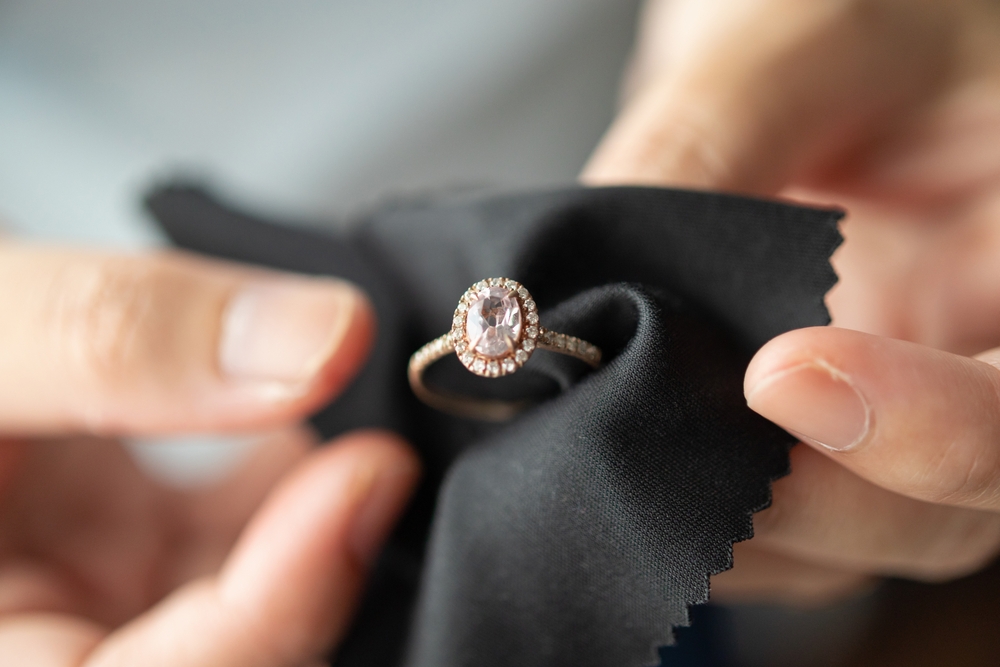
Citigroup’s data highlights jewelry as a rare outperformer in luxury retail. Since last September, monthly jewelry spend has posted consistent annual growth. In May, it surged 10.1% compared to the previous year.
Unlike other categories, jewelry also saw growth in the number of customers, not just average transaction size. Still, within that category, some high-end brands lost 2.7% of clients — but those who stayed spent 11.7% more on average.
According to Citi analyst Thomas Chauvet, jewelry’s performance may reflect its appeal as both a sentimental purchase and an investment. “Perhaps the piece of jewelry gives you superior intrinsic value given the precious metals content and superior emotional value,” he told CNBC.
Rising gold prices are also a factor. “It is probably sensible to buy a Cartier bracelet now,” Chauvet said, noting that Cartier has raised prices less than 5% this year while gold has jumped over 25%.
Handbags and watches lag behind
Handbags haven’t kept pace. Brands have hiked prices by 30% to 40% since the pandemic, with little differentiation in product design. “Most bags shapes and styles are very difficult to differentiate,” Chauvet observed.
Luxury watch spending has shown inconsistent gains. Total watch purchases rose 14.7% in May year over year, but top-tier watch brand sales dropped 10%. Chauvet attributed recent spikes in Swiss watch imports to dealers preemptively reacting to Trump’s proposed 31% tariff on Swiss goods rather than real consumer demand.
Consumer sentiment remains fragile
Despite rebounding equity markets, Chauvet cautioned that U.S. consumers still face headwinds. A weakening dollar — down nearly 10% year to date — typically dampens sentiment, especially for high-end travelers and shoppers abroad.
Further uncertainty lies ahead. Trump’s 90-day pause on reciprocal tariffs is nearing expiration, and instability in the Middle East has begun to affect oil prices, potentially constraining consumer spending even more in the months to come.