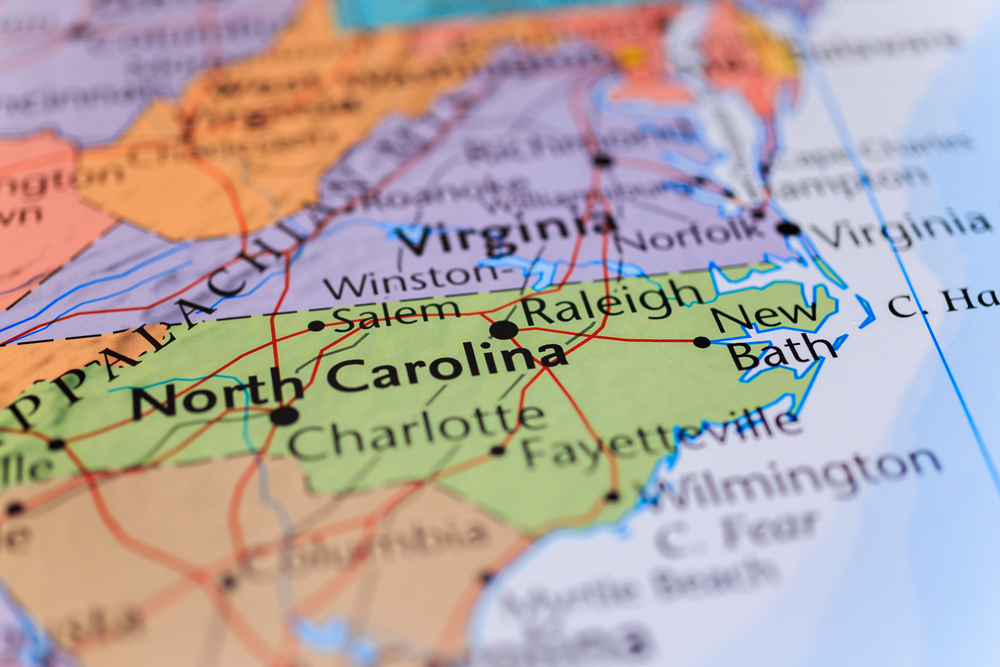
JetZero Inc. announced plans to build its first manufacturing facility for the next-generation Z4 passenger jet in Greensboro, North Carolina. This ambitious project, estimated at $4.7 billion, aims to create more than 14,500 jobs over the next decade, marking the largest job commitment in the state’s history. Backed by significant public and private investment, JetZero positions itself to challenge industry giants Boeing and Airbus with a revolutionary aircraft design.
Massive Economic Impact for North Carolina
North Carolina Governor Josh Stein described the project as historic for the state. The new facility will create over 14,500 jobs between 2027 and 2036, with average annual salaries exceeding $89,000. The state, along with local governments, has pledged up to $2.35 billion in economic incentives, including $1 billion in tax incentives, $785 million from Guilford County and Greensboro, and $450 million from the state legislature for infrastructure support.
Revolutionary Z4 Aircraft Design
The Z4 aircraft, featuring a blended-wing design, promises up to 50% better fuel efficiency compared to conventional tube-and-wing airliners. JetZero plans to initially power the Z4 with conventional jet fuel, with potential for future hydrogen fuel conversion. The aircraft will seat approximately 250 passengers with a range of 5,000 nautical miles. Its unique design reduces drag, positions engines at the top rear for quieter operation, and offers wider cabins with improved passenger comfort.
Strong Commercial and Military Backing
JetZero has already raised around $300 million for the Z4 program, including a U.S. Air Force grant to build and fly a demonstrator by 2027. Major airlines such as United Airlines and Alaska Airlines have made conditional purchase agreements for the Z4. While a military variant is planned for tanker and transport roles, JetZero will first focus on commercial production, targeting full manufacturing capacity of 20 planes per month in the early 2030s.
Strategic Location and Industry Growth
The decision to build in Greensboro followed a year-long search across 25 sites in 17 states. North Carolina’s established aerospace sector, with more than 400 companies, and the presence of other major manufacturers such as Honda Aircraft and Boom Supersonic, made the state a strategic choice. The Piedmont Triad region, with its central location and strong transportation infrastructure, also attracted Toyota’s electric battery plant to nearby Randolph County.
Conclusion
JetZero’s $4.7 billion investment marks a transformative moment for both the company and North Carolina’s aerospace sector. With strong financial backing, innovative technology, and significant public support, JetZero is positioned to introduce a new era in commercial aviation and challenge long-established industry leaders.