Strategic move to deepen ties with Asia
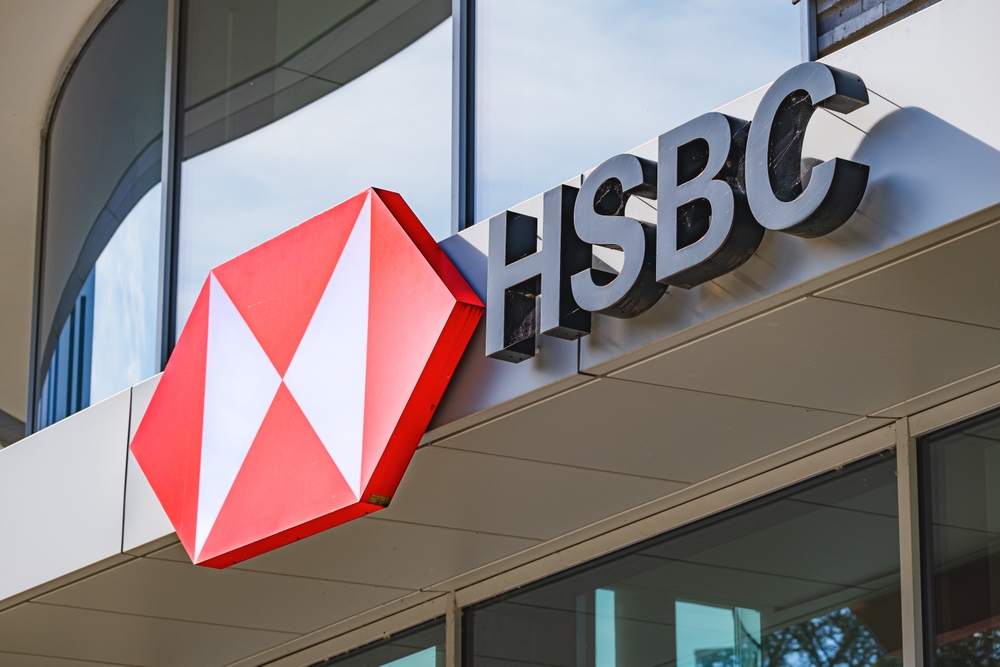
HSBC will spend £10 billion to buy out the remaining 36.5% of shares in its Hong Kong subsidiary, Hang Seng Bank, effectively taking the bank private. The decision marks a major strategic push to reinforce Hong Kong’s status as a “super-connector” between China and international financial markets, according to HSBC’s leadership.
The acquisition, the largest banking deal in Hong Kong in over a decade, underscores HSBC’s confidence in the region despite ongoing challenges, including exposure to China’s troubled real estate market. The move will remove Hang Seng Bank’s shares from the local stock exchange, allowing HSBC to consolidate its presence in Asia, where it already generates most of its profits.
Leadership defends the long-term vision
Georges Elhedery, HSBC’s CEO since last year, described the deal as a “significant investment into Hong Kong’s economy” and a reaffirmation of HSBC’s role in connecting global and Chinese markets. The bank has reportedly urged Hang Seng to clean up its balance sheet by offloading bad real estate loans — a growing concern in China’s slowing property sector.
The acquisition follows Elhedery’s broader restructuring plan announced last year, which included major cost reductions, market exits, and an internal division between Eastern and Western operations. Though those moves briefly sparked rumors of a potential HSBC split, they were quickly denied.
Buyback pause disappoints investors
To finance the £10 billion acquisition, HSBC confirmed it would suspend further share buybacks for at least the next three quarters in order to bolster its capital reserves. The announcement triggered a 5% drop in HSBC’s London-listed shares, as investors reacted negatively to the temporary pause in shareholder returns.
AJ Bell’s investment director, Russ Mould, likened shareholders’ frustration to “a toddler who has been told they can’t have another biscuit,” emphasizing the market’s reliance on regular buybacks. While he acknowledged the logic of the acquisition within HSBC’s Asia-focused strategy, he noted the poor market reaction and recent departure of chairman Mark Tucker could pose the toughest leadership test yet for Elhedery.