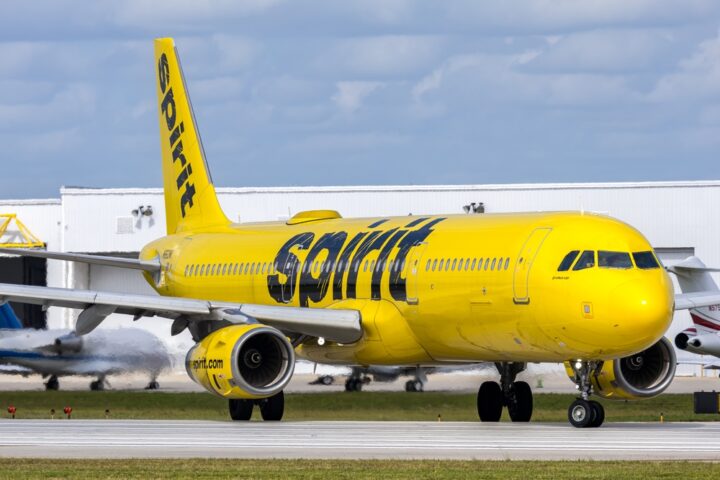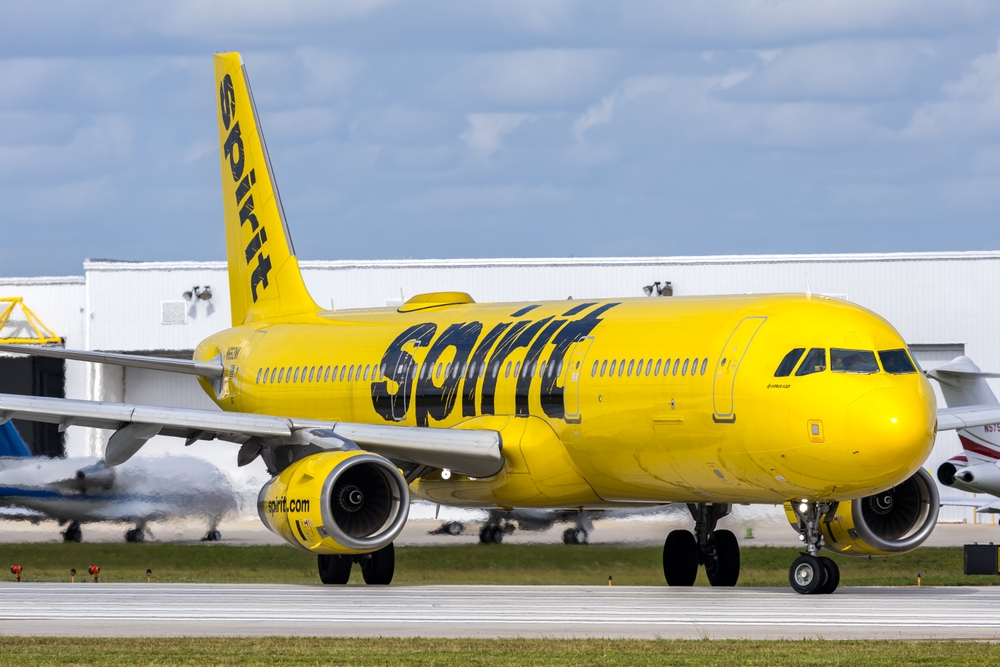
A possible federal rescue package for Spirit Airlines is raising far bigger questions than the fate of one struggling carrier. According to the reported proposal, the Trump administration is discussing a $500 million support deal that could leave the U.S. government owning as much as 90% of Spirit once it emerges from bankruptcy.
On the surface, the argument for intervention is easy to understand. Spirit has long played an important role as a low-cost option in the U.S. travel market, and preserving that budget segment could help consumers by maintaining downward pressure on fares. But the deeper concern is that such a rescue would not happen in isolation. It could create a precedent that reshapes how airlines, investors and policymakers think about failure, competition and government support.
That is why the debate is already moving well beyond Spirit itself. The central question is no longer only whether one airline should be saved. It is whether Washington is opening the door to a much broader wave of corporate rescues across the industry.
A Rescue For Spirit Could Trigger New Expectations
The biggest concern raised by critics is precedent. If the federal government steps in with cash and takes a dominant equity stake in Spirit, other struggling carriers may quickly conclude that similar support is available to them as well.
That is what makes the proposal so sensitive. Once companies begin to believe that survival can depend on winning government backing rather than navigating the market on their own, the incentives across an entire sector begin to change. Airlines under pressure may stop thinking only about restructuring, cost control or strategic partnerships and start thinking more seriously about how to position themselves for federal support.
In that sense, a Spirit deal would not just rescue one company. It could alter expectations for everyone else.
The Industry Could Enter A Dangerous New Dynamic
Analysts have already warned that a rescue for Spirit might set off a chain reaction. If one weak carrier receives extraordinary assistance, competitors that are also under strain could be tempted to seek the same path rather than accept normal market discipline.
This creates a potentially destabilizing dynamic. Government support for one company does not occur in a vacuum. It affects pricing, competitive balance and investor perception across the entire sector. Airlines that survived without help may suddenly find themselves competing against a rival backed by public money and shielded, at least temporarily, from the normal consequences of distress.
That is why some observers see the proposal as a much bigger issue than one bankruptcy negotiation. It could shift the logic of competition itself.
Critics See A Major Expansion Of Federal Involvement
Opponents of the idea argue that it would mark another step in a broader trend of government taking direct stakes in private companies. Over the past year, Washington has become more willing to support firms in strategic industries through equity-linked arrangements, and a Spirit rescue would extend that approach into commercial aviation in a more visible way.
For critics, that raises an uncomfortable question: where does it stop? If airlines, chipmakers, industrial firms, mining companies and energy businesses can all point to examples of federal capital support, then the boundary between emergency intervention and routine corporate backstopping starts to blur.
That is why the reaction has been so sharp. The concern is not only the cost of this one deal, but the principle behind it.
Supporters Can Still Make A Consumer Case
Even so, there is a real argument on the other side. Spirit’s survival matters to price-sensitive travelers because the airline has long served as a budget option in a market increasingly dominated by larger, more powerful carriers. If Spirit disappears, some routes could see less competition and higher fares over time.
That possibility gives the rescue idea a degree of practical appeal. Preserving a low-cost player may look preferable to allowing further consolidation in an industry where consumer choice is already a sensitive issue. From that point of view, intervention is not about rewarding failure, but about protecting competition where the market might otherwise narrow even further.
The challenge is that this logic clashes directly with the concerns about fairness and precedent.
Rivals Would Have Reason To Object
If Spirit were rescued on especially favorable terms, other airlines would have every reason to complain. Competitors that managed to stay afloat without a similar infusion could fairly argue that the playing field had been tilted against them. That is particularly true for carriers that are already fighting for profitability in a difficult operating environment.
The result could be intense tension inside the industry. Companies that accepted painful adjustments without federal help may be forced to compete with an airline effectively recapitalized by taxpayers. That is not just a philosophical issue. It could affect strategy, pricing and future merger behavior across the market.
In that scenario, a Spirit rescue would not simply stabilize competition. It could distort it.
Washington Is Divided On The Idea
The proposal is also facing visible resistance in political circles. Critics in Washington have already questioned whether this is an appropriate use of taxpayer money and whether owning such a large share of a bankrupt airline is something the government should be doing at all.
That resistance matters because it shows the plan is controversial even before any final structure has been confirmed. A rescue of this size and nature would almost certainly attract deeper scrutiny, especially if the federal government were left with overwhelming ownership of the company.
In other words, even if the administration is seriously considering the idea, it is far from politically unchallenged.
The Real Issue Is Bigger Than Spirit
The proposed deal ultimately raises a broader question about the role of government in modern capitalism. Should Washington step in to preserve competition when market failure threatens to remove a key player? Or does doing so simply encourage more companies to take excessive risks in the belief that the public sector will step in if things go badly?
That is the real dilemma behind Spirit’s situation. The airline may be the immediate subject, but the lasting consequences would reach much further. A rescue could preserve a low-cost option for travelers in the short term while also creating expectations and distortions that reshape the airline industry in the longer term.
That is why the debate is so consequential. It is not just about saving Spirit. It is about deciding what kind of market the U.S. airline industry is going to have from here.