A New Low-Cost Airline Group Takes Shape
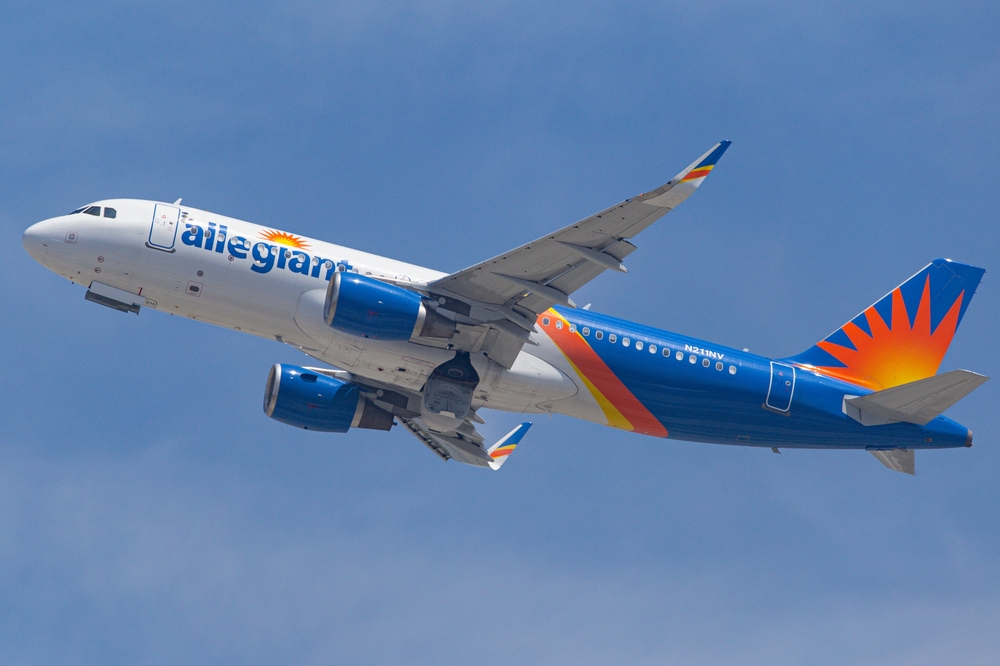
Allegiant Travel Co. has completed its acquisition of Sun Country Airlines, creating a larger leisure-focused airline group at a time when the sector is facing higher fuel costs and broader industry uncertainty.
The 1.5 billion dollar cash-and-stock deal, including debt, was announced in January and closed on Wednesday. The combined company will be led by Greg Anderson, who said Allegiant Air will continue to differentiate itself through a disciplined operating model rather than aggressive growth.
Separate Brands For Now
Allegiant and Sun Country will keep their brands and booking portals separate for the time being. The combined carrier is expected to serve about 175 cities across more than 650 routes.
The deal brings together two airlines focused on cost-conscious leisure travelers, especially those flying between smaller cities and vacation destinations. Sun Country also adds a cargo component through its work for Amazon, giving the combined group an additional revenue stream beyond passenger travel.
Capacity Discipline Remains Central
Anderson said the airline’s model was built to protect margins and avoid chasing growth for its own sake. The combined carrier plans to remain selective about capacity expansion, especially during periods of weaker demand.
Allegiant’s approach includes adding service during peak travel windows such as summer and spring break, then reducing capacity on lower-demand days like Tuesdays and Wednesdays in slower weeks. That strategy allows the airline to sell more seats when pricing power is stronger and limit exposure when demand softens.
Fuel Costs Test The Industry
The acquisition closes as airlines face a sharp increase in jet fuel costs following the US-Israel attacks on Iran that began in February. Jet fuel has roughly doubled and is typically the industry’s second-largest expense after labor.
Many carriers have responded by raising fares to pass costs on to customers. Anderson said demand remains robust among Allegiant’s and Sun Country’s more budget-minded leisure customers, despite the fuel shock and the broader pressure on household spending.
Low-Cost Models Face A Split Market
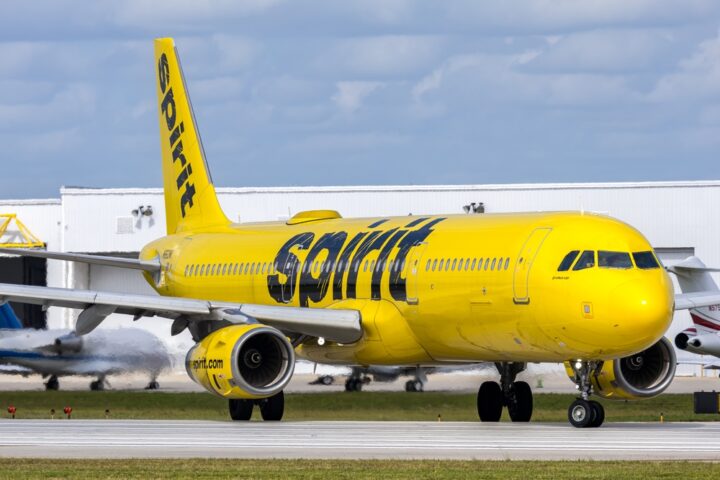
The deal comes shortly after Spirit Airlines shut down, marking the largest US airline collapse in a generation. That failure highlighted the pressure on some low-cost carriers as fuel costs, pricing competition and balance sheet stress intensified.
Allegiant, however, reported a 42.5 million dollar profit in the first quarter, up 32% from a year earlier. Raymond James airline analyst Savanthi Syth said the result shows that some low-cost models can still work when capacity and costs are managed carefully.
Scale Still Trails The Major Airlines
Allegiant has not yet provided full financial estimates for the combined company. It said late last month that it expects second-quarter capacity to fall 6.5% from a year earlier, while third-quarter capacity should be flat to slightly lower.
Despite the merger, smaller budget and leisure-focused carriers remain far smaller than the largest US airlines. Delta Air Lines, American Airlines, United Airlines and Southwest Airlines together hold roughly 80% of the domestic market. For investors, the Allegiant-Sun Country deal shows that consolidation can create scale, but discipline on capacity, fuel exposure and route profitability will remain critical.