Rising concern over jet fuel supplies is starting to cast a shadow over summer travel, especially for passengers flying internationally. The problem is not yet at full crisis level, but the longer disruptions to global oil flows continue, the greater the risk that airlines will trim schedules, raise fares and make travel planning more uncertain just as peak holiday season approaches.
The immediate concern centers on the Strait of Hormuz, one of the most important energy chokepoints in the world. With the conflict involving Iran and the resulting shipping disruption pushing up fuel costs and threatening availability, airlines and travelers are both being forced to think more carefully about what the coming weeks could look like.
For now, experts say travelers should not assume their trip is doomed. Most flight reductions remain limited rather than severe. But they also warn that if the situation drags on, the disruption could become much more visible, particularly for international carriers that depend more heavily on imported fuel.
Why Jet Fuel Has Become A Travel Risk
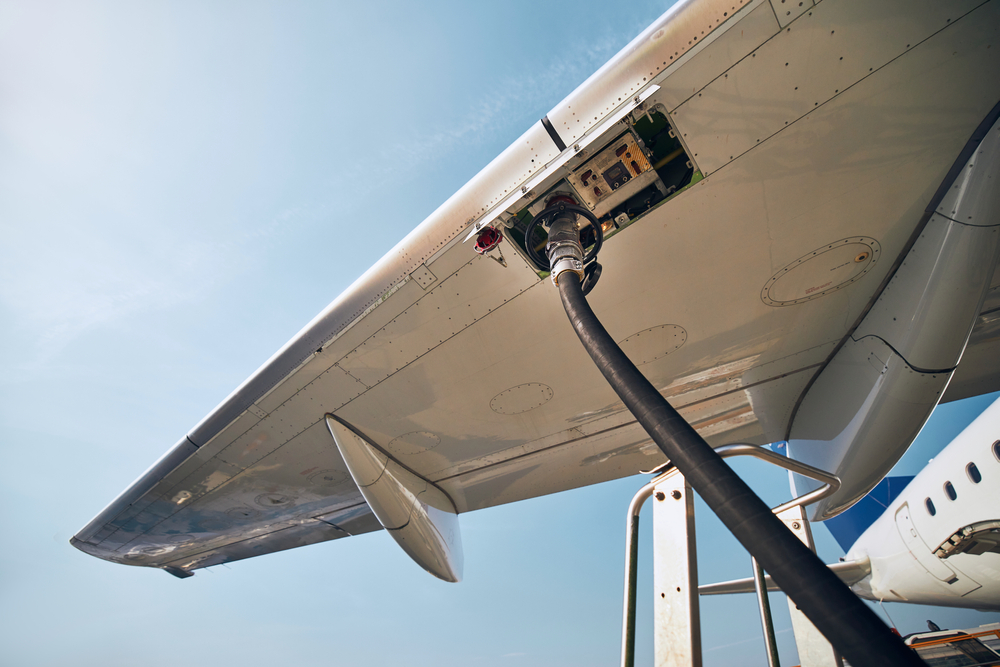
The aviation industry is especially sensitive to energy shocks because jet fuel is one of its largest operating costs. When supply becomes uncertain or prices rise quickly, airlines often respond in predictable ways: they increase fares, add fees, reduce capacity or cancel less profitable routes.
This time, the concern is not only cost. In some parts of the world, the issue is whether enough fuel will be available at all if disruption continues. That is what makes the situation more serious than a routine price increase. If fuel stocks fall too far, an airline may have to cut service regardless of demand.
That is why travel experts are watching the issue so closely. A shortage does not need to be global to create real disruption. It only needs to hit the right regions at the wrong time.
Europe And Asia Look More Exposed
The United States is relatively better protected than some other markets because it produces a significant share of its own jet fuel domestically. That does not mean U.S. travelers are immune, but it does mean the immediate supply risk is greater for carriers in Europe and Asia, where dependence on imported fuel is higher.
That difference matters for anyone flying internationally. Even if U.S. airlines avoid the worst supply squeeze, foreign carriers serving American routes may still reduce service or raise prices if fuel becomes harder to secure or significantly more expensive.
In practical terms, travelers flying overseas on non-U.S. airlines may be among the first to feel the pressure if the energy disruption worsens.
Airlines Have Started Cutting At The Margins
So far, the cuts announced by airlines have generally been modest rather than sweeping. A handful of carriers have trimmed parts of their schedules, often by only a few percentage points, and in some cases by less than 1% of total flights.
That is important because it suggests the system is under pressure, but not yet in breakdown. Travelers should take the issue seriously without assuming that every route is at immediate risk. Smaller reductions can still cause inconvenience, especially on busy routes, but they do not automatically mean widespread collapse in schedules.
The real danger lies in duration. If the conflict continues and fuel pressure keeps rising, today’s marginal reductions could become much more painful later.
The Longer This Lasts, The Worse It Can Get
Travel experts say the timeline is the key variable. Airlines can manage higher costs and limited supply stress for a while, but not indefinitely. If fuel keeps tightening as summer demand rises, carriers may be forced into more aggressive cuts just when planes are supposed to be fullest.
That is why current conditions feel manageable but unstable. There is still time for the situation to improve, but there is also a clear risk that the disruption becomes more severe if no resolution is reached soon.
In short, travelers are not yet facing a full-blown aviation crisis. But they are in a period where flexibility and preparation matter much more than usual.
Know Your Rights Before Problems Start
One of the most useful things travelers can do is understand what airlines owe them if a flight is canceled or significantly changed. Refund rules, rebooking options, vouchers and other protections can make a major difference when plans suddenly shift.
If an airline cancels your flight or makes a significant itinerary change, you may be entitled to a prompt refund if you decline the alternative offered. That remains true even for non-refundable tickets in many cases. Airlines may also offer rebooking, hotel accommodation or meal support depending on the situation.
The important point is not to assume the airline’s first option is the only one available. Travelers should ask questions, keep documentation and know that they may have more choices than they first appear to.
Speed And Preparation Can Save You Trouble
Experts also stress the importance of acting quickly. Make sure the airline has your correct phone number and email, and pay close attention to texts, emails and app alerts in the days before departure. The sooner you know about a cancellation or major change, the better your chances of securing a workable alternative.
If something goes wrong at the airport, do not rely on only one channel for help. Stand in line to speak to staff while also calling customer service or using the airline’s app. In a disruption, speed matters because the best replacement options tend to disappear first.
This is one of those situations where a little preparation can make a big difference between a manageable inconvenience and a travel disaster.
Nonstop Flights And Insurance Offer More Protection
For travelers who can afford it, nonstop flights are currently a safer choice than itineraries with connections. Every extra segment creates another opportunity for disruption, delay or missed rebooking if capacity is tight.
Travel insurance or credit card travel benefits can also help, especially for unreimbursed costs that arise after delays or cancellations. But not all policies cover the same events, so reading the terms carefully matters. More flexible options often cost more upfront, but they can provide valuable protection in an unstable environment.
That is the broader lesson of the moment. Summer travel is still possible, and many trips will go ahead normally. But in a market under fuel pressure, the smartest travelers will be the ones who plan not just for departure, but for disruption too.