American consumers turned sharply more pessimistic in April as the economic fallout from the Iran war fed through into sentiment, inflation fears and confidence in the months ahead. The latest University of Michigan survey shows that households are not just worried about higher prices at the gas pump. They are becoming more uneasy about the broader direction of the economy and what prolonged disruption in energy markets could mean for daily life.
The drop was severe enough to push headline sentiment to a new record low. That matters because confidence readings often capture shifts in mood before they are fully visible in spending, hiring or investment data. In this case, the message is clear: households are feeling the pressure of war-driven uncertainty, and they are reacting by becoming much more cautious about the outlook.
The timing is especially important. Most of the survey responses were collected before the April 7 ceasefire, meaning the data reflects a period of maximum anxiety rather than any relief that may have followed. Even so, the figures show how quickly the shock from higher energy prices and disrupted supply expectations hit the public mood.
Sentiment fell across the board
The University of Michigan’s headline consumer sentiment index dropped to 47.6 in April, down 10.7% from March and the lowest reading on record. That decline was not limited to one part of the survey. Measures of current conditions and future expectations both posted double-digit monthly falls, showing that the deterioration was broad rather than narrow.
This matters because it suggests households are not only unhappy with present conditions, but also increasingly doubtful about what comes next. A weak current conditions reading can sometimes be dismissed as temporary frustration. A simultaneous drop in expectations is harder to ignore because it signals that consumers are starting to fear a longer stretch of pressure ahead.
That combination tends to matter for markets and policymakers because confidence can influence spending decisions, saving behavior and how quickly households respond to inflation shocks.
Inflation fears are rising fast again
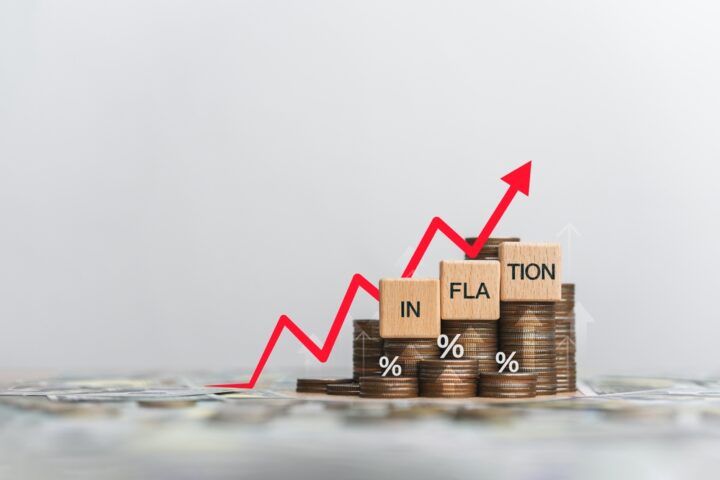
The confidence collapse came alongside a strong jump in inflation expectations. Consumers now expect prices to rise 4.8% over the next year, up a full percentage point from the March reading. That is a significant move and shows how directly rising energy costs are affecting expectations at the household level.
Longer-term inflation expectations moved higher as well, with the five-year outlook rising to 3.4%. That increase was more modest, but it still matters because central bankers watch longer-term expectations closely for signs that inflation fears may be becoming more deeply embedded.
For now, the bigger concern is still the short-term surge. Consumers appear to be reacting most strongly to what they can see and feel immediately, especially fuel prices and the risk that higher energy costs will spread into a wider range of goods and services.
The war is clearly shaping household views
According to the survey’s director, many respondents explicitly blamed the Iran conflict for worsening the economic outlook. That is a notable detail because it shows the link between geopolitics and consumer behavior is not abstract. Households are making a direct connection between war, energy disruption and their own financial anxiety.
This helps explain why sentiment has fallen so sharply even before all the economic effects of the conflict are fully visible in official data. Consumers do not wait for quarterly reports or central bank forecasts. They react to headlines, prices at the pump and the sense that the world has become less stable and more expensive.
That kind of response can have real consequences if it lasts. A prolonged drop in sentiment can weaken spending, especially in areas where households have more discretion to delay purchases or cut back.
Inflation data is reinforcing the pressure
The sentiment report arrived just after fresh government data showed a sharp rise in consumer prices in March. Much of that increase came from energy, while food inflation changed little. The result was another reminder that the most immediate economic transmission channel from the conflict has been through fuel and related costs.
Higher gasoline prices are not just a problem on their own. They can feed into transport, shipping and business costs more broadly, eventually raising prices in many other parts of the economy. That is why analysts are warning that even if the March inflation spike was only the beginning, April could prove even more difficult.
The current concern, then, is not only what has already happened. It is what households and businesses now expect to happen next if oil markets remain disrupted and the ceasefire fails to restore confidence fully.
The ceasefire may help, but the damage is visible
There is still room for some improvement in the next round of confidence data if consumers become convinced that the ceasefire will hold and that supply disruptions are easing. Joanne Hsu noted that expectations may improve once households gain confidence that the worst of the oil shock has passed and gas prices begin to moderate.
But that hope comes with a clear warning. The current survey shows just how quickly sentiment can collapse when conflict pushes inflation back into focus. Even if conditions improve from here, the April reading stands as evidence that consumers remain highly sensitive to fresh price shocks and deeply uneasy about the broader economic outlook.
In that sense, this is more than a bad month for confidence. It is a sign that the U.S. consumer, still central to the economy’s resilience, is becoming harder to reassure in a world where inflation, war and uncertainty have once again started to move together.