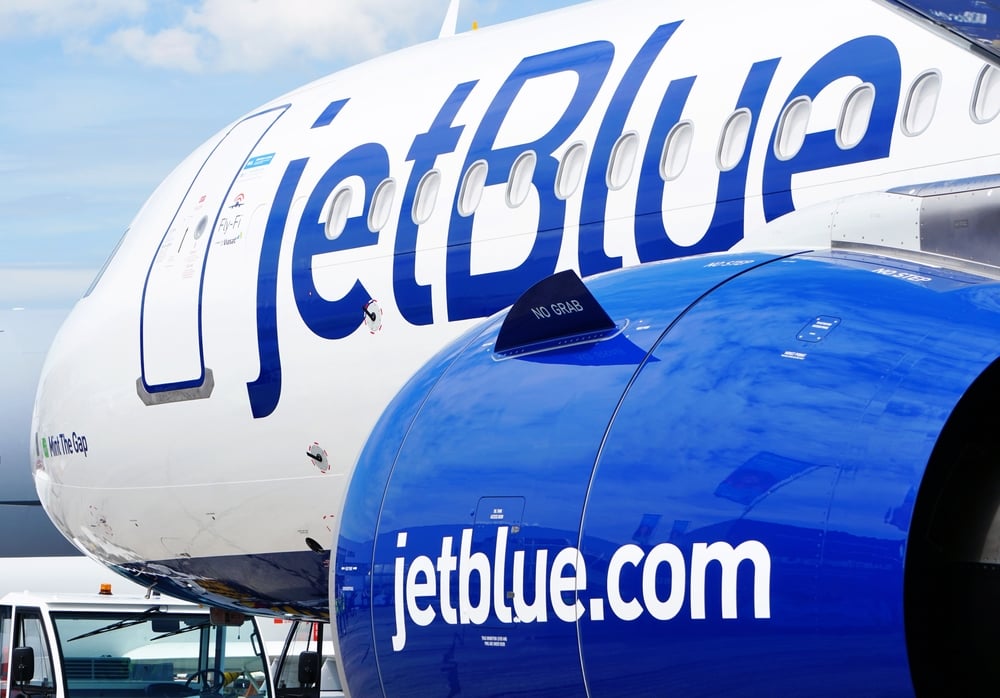
JetBlue Airways is increasing checked baggage fees as fuel prices surge in the wake of the war involving Iran, adding another sign that higher energy costs are beginning to reach U.S. travelers more directly. The move reflects a familiar airline response during periods of sharp fuel inflation: keep headline fares as competitive as possible while raising charges for optional services.
The increase comes as airfare has already climbed on routes around the world since the United States and Israel launched attacks on Iran on Feb. 28. For airlines, jet fuel is typically the largest expense after labor, which means sudden moves in energy markets can quickly pressure margins. Rather than absorbing the full impact, carriers often redistribute those costs through add on fees that are more visible to some passengers than others.
JetBlue’s decision is notable not only because of the size of the increase, but because baggage pricing has become one of the clearest levers airlines can pull when operating conditions deteriorate. It also raises the possibility that rivals may respond with similar changes, especially if fuel prices remain elevated for an extended period.
Higher baggage costs hit leisure travelers
JetBlue now lists the price for a first checked bag on domestic, Caribbean, and Latin America flights at $39 during off peak periods for most economy travelers, up from $35. During peak travel periods, including much of the summer and major holiday windows, the fee will rise to $49 from $40. That means the increase is at least $4, but climbs even more sharply during the busiest parts of the travel calendar.
The structure of the increase shows how airlines continue to use demand patterns to shape pricing. Travelers flying during high volume periods already face more expensive tickets, and now many will also face steeper bag charges. For families and budget conscious leisure passengers, those cumulative costs can significantly change the final price of a trip, even if the base airfare appears relatively stable at the time of booking.
JetBlue is also maintaining a pricing penalty for travelers who wait until the last minute. Customers paying less than 24 hours before departure, including those checking bags at the airport, will pay an additional $10. That policy extends an industry trend in which prepaying for baggage is rewarded with a lower fee, allowing airlines to lock in ancillary revenue earlier while encouraging passengers to manage travel costs before arrival.
Fuel remains the key financial pressure point
The airline industry’s sensitivity to fuel costs helps explain why checked bag fees are often among the first charges to move. According to data from Argus published by Airlines for America, fuel prices in Chicago, Houston, Los Angeles, and New York averaged $4.57 a gallon last Friday. That represents an increase of nearly 83% compared with the day before the war began.
A rise of that scale puts immediate pressure on airline economics. Fuel cannot be removed from the cost base, and it affects every flight regardless of whether seats are filled by premium or budget travelers. In that environment, management teams often try to protect demand by avoiding large across the board fare hikes, especially in price sensitive markets, and instead target optional services that affect a narrower portion of customers.
JetBlue’s public explanation follows that logic closely. The company said it is regularly evaluating how to manage rising operating costs while keeping base fares competitive and continuing to invest in customer experience. That phrasing makes clear that the carrier sees the fee increase as part of a balancing act between preserving revenue and avoiding sticker shock on the advertised ticket price.
Optional fees help preserve fare flexibility
Airlines have spent years refining this model. Optional charges such as baggage fees allow carriers to segment customers more precisely, collecting additional revenue from those who check luggage while keeping entry level fares lower for travelers flying light. In practice, that means some passengers can still access lower starting prices, while others shoulder more of the inflation linked burden through extras.
JetBlue stressed that the strategy helps it maintain features it believes customers value, including complimentary snacks and drinks, unlimited high speed Wi Fi, and seatback entertainment screens. The airline also noted that not every passenger will be affected equally. Some travelers are exempt from the baggage fees altogether, including customers with a co branded credit card and frequent flyers with elite status.
That distinction is important because it shows how ancillary pricing increasingly works alongside loyalty strategy. The fee increase may frustrate occasional travelers, but it also reinforces the value proposition of airline affiliated cards and loyalty tiers, both of which carriers use to deepen customer retention and diversify revenue streams beyond the seat itself.
Other airlines may soon face the same choice
Historically, when one airline raises fees, others often watch closely and sometimes follow. That possibility is now part of the market conversation, especially as fuel prices remain volatile and the war continues to unsettle global aviation costs. American Airlines, United Airlines, Delta Air Lines, Southwest Airlines, and Frontier Airlines did not immediately comment on whether they might adjust their own baggage pricing, but the pressure affecting JetBlue is not unique to one carrier.
The broader implication is that consumers may be entering another period in which the advertised airfare tells only part of the story. If operating costs continue to climb, airlines may increasingly rely on checked baggage, seat selection, and other optional charges to defend profitability without triggering a sharper demand slowdown through higher headline ticket prices.
For now, JetBlue’s move offers an early look at how the airline sector is responding to a war driven energy shock. As long as jet fuel remains elevated, carriers will face difficult choices between protecting margins and preserving demand. Baggage fees, because they are flexible and highly visible, are once again becoming one of the first places where that tension shows up for travelers.