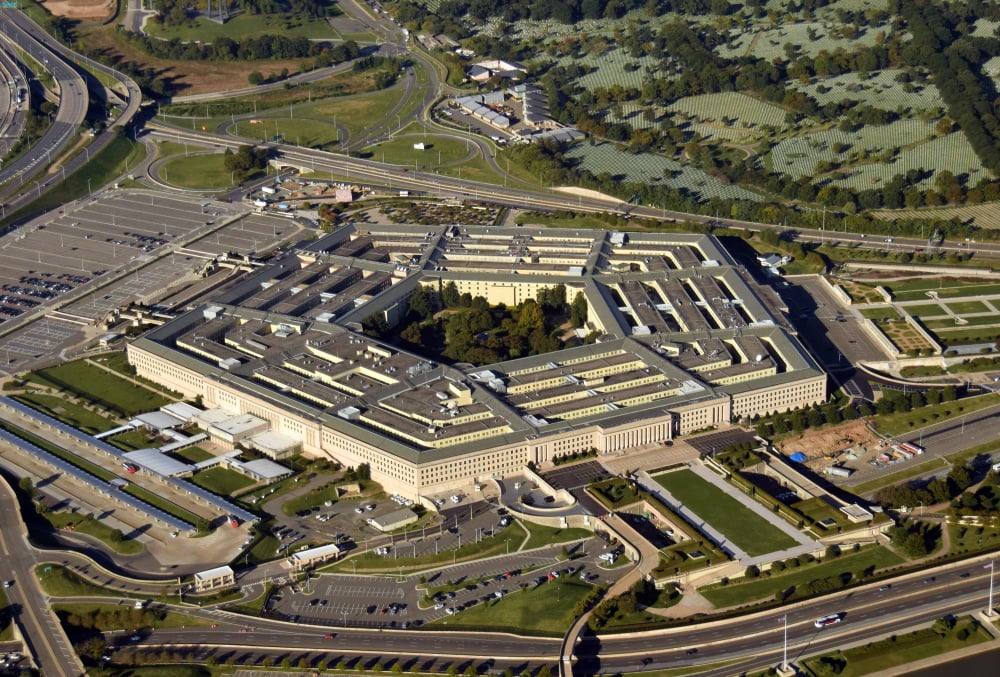
The U.S. Department of Defense is preparing to stand up a new in-house investing team modeled on private equity, with a mandate to deploy about $200 billion over three years into defense-related deals, Semafor reported Wednesday, citing a document it reviewed.
According to the report, the Pentagon plans a roughly 30-person unit and is targeting experienced hires from Goldman Sachs, Morgan Stanley, JPMorgan and Bank of America. The recruiting pitch, drafted by executive search firm Heidrick & Struggles, frames the role as a chance to “serve your country” while deploying more capital than many investors manage across an entire career, Semafor reported.
What The New Team Is Designed To Do
The plan would effectively import Wall Street dealmaking skills into the defense apparatus at a moment when governments and companies are racing to secure supply chains, scale production capacity, and accelerate advanced technology programs. The reported structure resembles a direct-investment platform rather than a traditional procurement office, suggesting a focus on transactions and capital allocation alongside standard contracting tools.
Reuters said it could not independently verify the Semafor report. A Pentagon spokesperson was not cited as commenting in the report excerpt, and multiple parties either declined to comment or did not immediately respond.
Wall Street Recruiting Targets And Responses
Semafor’s report named major banks as prime recruiting sources for the new unit. In response to Reuters inquiries, JPMorgan and the Pentagon declined to comment, while Heidrick & Struggles, Goldman Sachs, Morgan Stanley and Bank of America did not immediately respond, Reuters reported.
If the effort moves forward at the scale described, it would represent an unusually large pool of capital directed through a defense-linked investment function, potentially reshaping how some projects are funded and how quickly certain capabilities can be scaled.
How This Fits The Sovereign Wealth Fund Debate
The report also arrives as President Donald Trump has voiced interest in creating a U.S. sovereign wealth fund modeled on vehicles used in parts of the Middle East and Asia, where governments make direct investments to advance long-term national priorities.
In February 2025, Trump signed an executive order directing work toward creating a sovereign wealth fund within the next year. Sovereign wealth funds typically operate as state-owned investment vehicles that can function as a long-term savings pool, a development tool, or both, using current resources to finance future national objectives.