Unions warn of weak consumer momentum
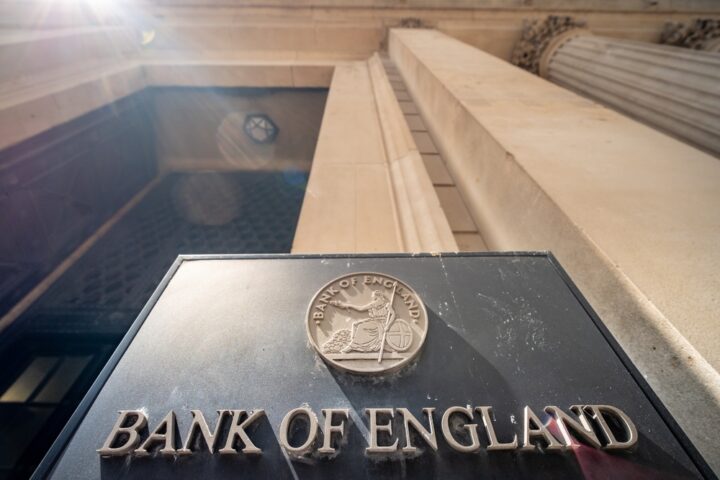
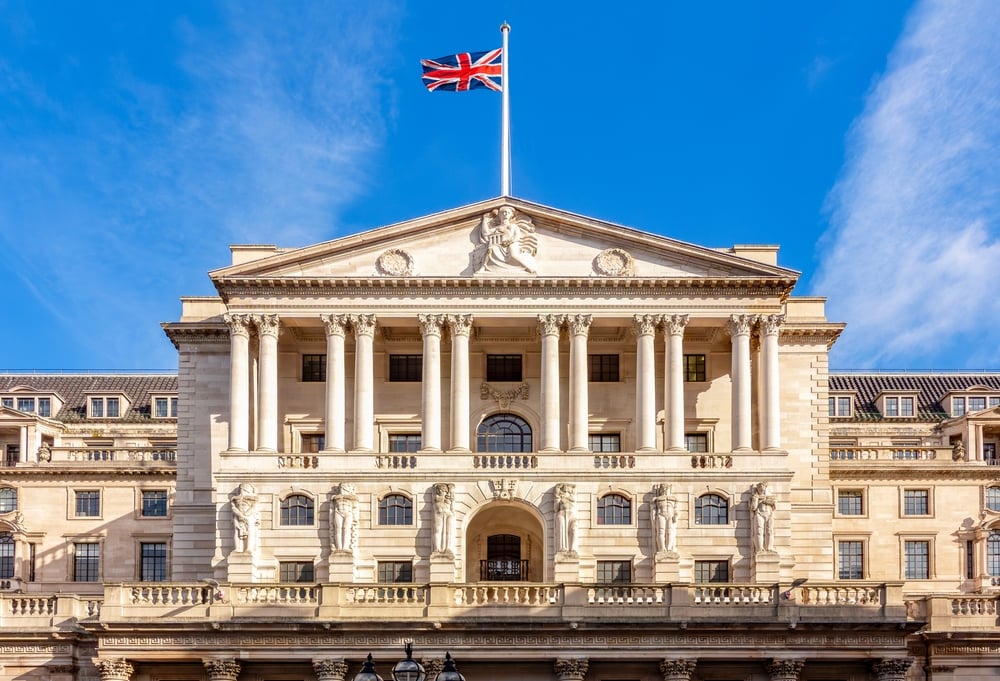
The Trades Union Congress has called on the Bank of England to accelerate interest rate cuts, arguing that sluggish domestic demand poses a greater threat to the economy than persistent wage pressures. The appeal follows this month’s narrow 5–4 vote by the Bank’s monetary policy committee to keep borrowing costs unchanged after a series of reductions since mid-2024.
With the base rate currently at 3.75%, union leaders contend that households and retailers remain squeezed by elevated mortgage and credit costs. Official figures showed the UK economy expanded by just 0.1% in the final quarter of last year, reinforcing concerns about fragile momentum.
TUC general secretary Paul Nowak said policymakers had been overly cautious and should prioritize growth through a sequence of faster rate reductions. Lower borrowing costs, he argued, would ease pressure on consumers, support high street businesses and revive broader economic confidence.
UK demand trails global peers
The TUC highlighted analysis suggesting British consumer spending has underperformed most advanced economies. Over the past three years, the UK ranked behind 32 of 37 members of the Organisation for Economic Co-operation and Development in terms of demand growth. Notably, several of those countries managed to contain inflation despite stronger household spending.
Historically, consumer activity has accounted for roughly two-thirds of Britain’s economic expansion since the 2008 financial crisis. In contrast, unions say it contributed virtually nothing to growth over the past two years, underscoring what they view as a need for more accommodative monetary policy.
Markets expect the Bank to deliver a rate reduction at its March meeting, though investors do not anticipate the rapid pace of cuts seen last year. Policymakers remain divided: some committee members fear that robust wage growth could reignite inflationary pressures.
Government strategy under scrutiny
Chancellor Rachel Reeves has sought to create space for further monetary easing through fiscal measures aimed at lowering inflation. Her November budget included steps intended to curb energy bills from April, which the Bank has said could help return inflation to its 2% target by spring. Consumer price growth stood at 3.4% in December.
However, some businesses argue that recent increases in employer national insurance contributions and the minimum wage have added cost pressures that risk feeding into prices. Adding to the debate, the Bank’s chief economist, Huw Pill, recently suggested rates may already be slightly too low, estimating “underlying” inflation closer to 2.5% once temporary policy effects are stripped out.
Political and market implications
Reeves has pledged to stay focused on what she describes as a growth-oriented agenda built around infrastructure investment, planning reforms and industrial strategy. She is expected to address updated forecasts from the Office for Budget Responsibility in early March before outlining her longer-term economic vision later in the spring.
The evolving policy mix arrives amid political uncertainty within the Labour Party and ongoing scrutiny from financial markets. Analysts continue to monitor how shifts in fiscal or monetary strategy could influence investor sentiment and government borrowing costs.