Narrow vote highlights growing policy division
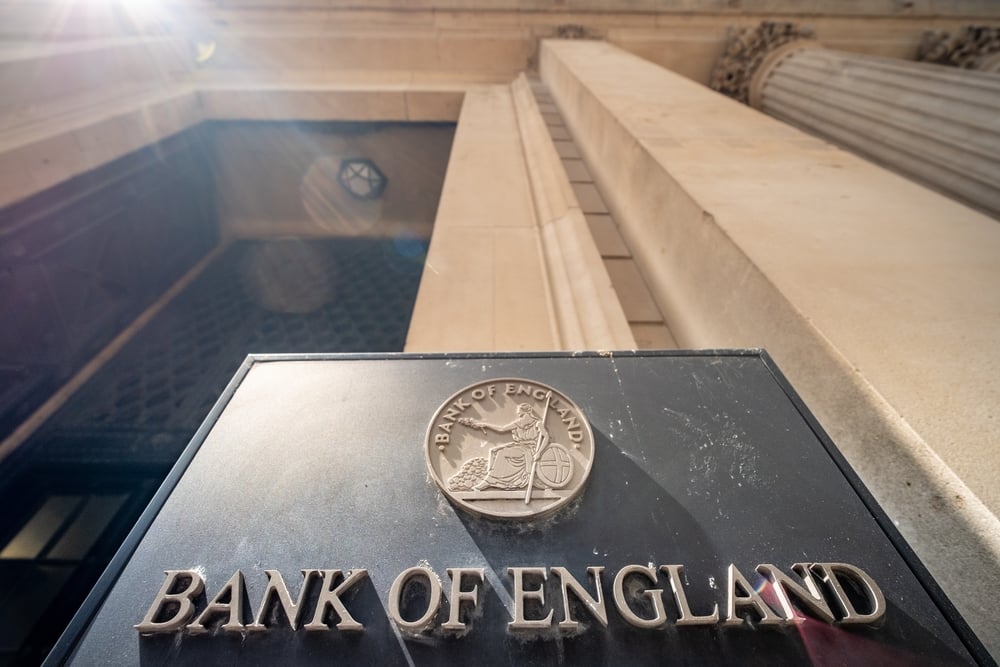
The Bank of England left its benchmark interest rate unchanged at 3.75% at its first monetary policy meeting of 2026, opting for caution amid mixed signals from growth and inflation. The decision was reached by a 5–4 vote of the Monetary Policy Committee, a far narrower margin than markets had anticipated.
Four policymakers supported an immediate 25 basis-point reduction, underscoring mounting internal pressure to begin easing. Analysts had expected a clearer consensus to hold rates, reflecting the surprise dovish undertone of the outcome.
Inflation outlook drives cautious stance
The central bank said its policy remains focused on ensuring inflation not only returns to the 2% target but stays there sustainably. Consumer price inflation stood at 3.4% in December, above target and higher than earlier in the year, giving policymakers reason to avoid rushing into further cuts.
However, the bank signaled that the current level of rates is unlikely to represent a peak. Officials said that based on existing evidence, further reductions in borrowing costs are likely, although decisions will hinge on how inflation evolves in coming months.
Markets react as sterling weakens
Following the announcement, the pound fell 0.6% against the U.S. dollar, trading near $1.356. Investors interpreted the close vote as confirmation that policy easing is approaching, even if the timing remains uncertain.
The Bank of England indicated that inflation is expected to fall back toward the 2% target from April, reinforcing market expectations that rate cuts could begin in the spring.
Governor flags scope for gradual easing
Governor Andrew Bailey, who voted to keep rates unchanged, said he expects inflation to decline sharply in the months ahead. He added that the risks of persistent inflation have diminished, creating room for further policy easing without committing to a specific timetable.
Bailey emphasized that future meetings will assess whether conditions justify a cut, rather than following a predetermined path.
Economists converge on spring cut expectations
Most economists now expect the first rate cut of 2026 to arrive in the spring. Some see April as the most likely starting point, citing improving inflation trends and softer wage pressures, while others believe a move could come slightly earlier or later depending on forthcoming data.
Several analysts noted that early 2026 indicators suggest firmer demand and stickier inflation than previously forecast, supporting a cautious and gradual approach to easing. Expectations generally point to two or three cuts this year, with policymakers retaining flexibility to respond if economic conditions deteriorate.
Outlook remains data dependent
The narrow vote has reinforced the view that the committee is finely balanced between concerns over inflation persistence and slowing economic momentum. With upcoming data on prices, pay settlements, and activity set to shape the debate, investors are preparing for a measured shift toward looser policy rather than an aggressive cutting cycle.