Record sales mask mixed fundamentals
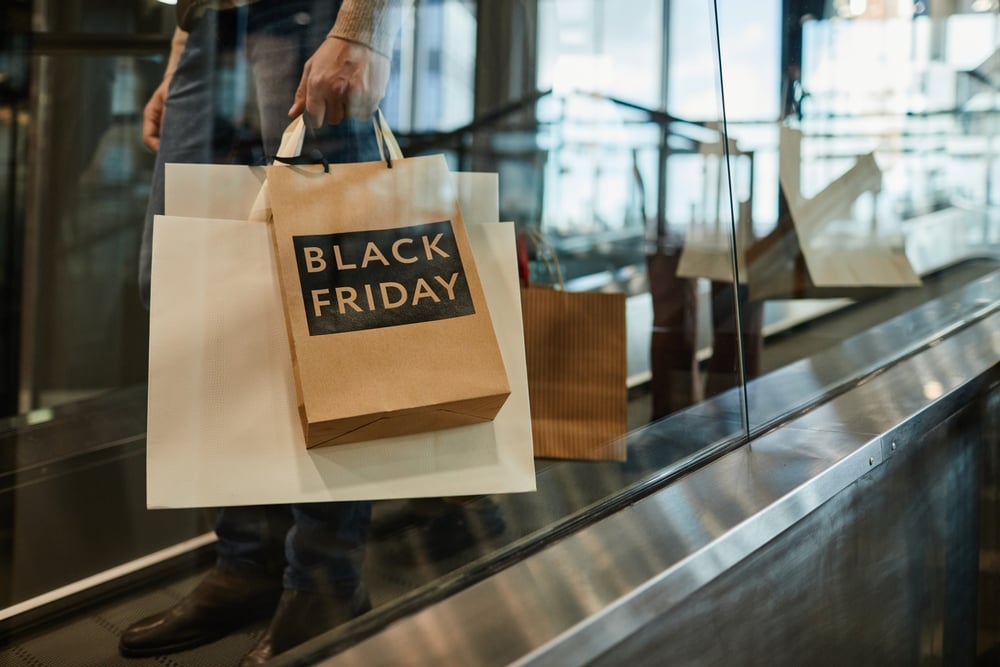
Fresh data from Thanksgiving weekend shows American consumers spent at record levels, but analysts say the increase was driven more by inflation than excitement. Adobe Analytics reported $6.4 billion spent on Thanksgiving Day and $11.8 billion on Black Friday, both all-time highs. However, Salesforce found order volumes fell 1 percent while average selling prices jumped 7 percent, suggesting rising prices were the dominant driver.
Black Friday normally serves as an early indicator of consumer financial health. The administration has pointed to the spending figures as evidence that households remain resilient, but economists warn the signals are mixed. Deloitte and other forecasters had expected cautious behavior due to cost pressures and declines in consumer confidence.
Inflation and BNPL drive holiday buying
Neil Saunders of GlobalData Retail said spending rose just 3.1 percent and volumes only 0.2 percent. “Consumers dug deep, but they stuck to budgets,” he noted. Adobe reported a 9 percent increase in e-commerce and expects Cyber Monday sales to reach a record $14.2 billion, peaking at $16 million per minute at night.
Artificial intelligence and buy now, pay later (BNPL) options played a major role. Salesforce estimated AI agents drove $3 billion of online sales and Adobe tracked an 805 percent increase in AI-generated retail traffic. BNPL spending is expected to total $20.2 billion in November and December.
Economists say the data confirms the growing gap between high- and low-income shoppers, with wealthier households driving much of the spending. Despite higher online sales, RetailNext recorded a 5.3 percent drop in in-store traffic.
Analysts see strength but uneven demand
White House adviser Kevin Hassett said the holiday weekend was “blockbuster,” pointing to 10 percent online growth and 4 percent in-store spending. But retail analysts caution the recovery is uneven. Ted Rossman at Bankrate said most of the spending gains come from affluent households, while weaker wage growth and inflation remain headwinds for lower-income consumers.
Tracy Schuchart noted that BNPL has become “the elephant in the room,” used by both high earners for discretionary purchases and lower-income shoppers for essentials. RetailNext’s Joe Shasteen said consumers have shifted away from impulse deals and are making more disciplined, price-driven decisions.
Outlook for the holiday season
Black Friday remains an early barometer for the full shopping season. Adobe projects $253.4 billion in holiday spending this year. The National Retail Federation expects sales to exceed $1 trillion across November and December, while Mastercard forecasts higher growth in e-commerce than in-store purchases.
Retailers and policymakers will now watch Christmas sales and post-holiday revisions to judge whether strong spending can be sustained, or whether inflation and tighter budgets will curb demand later in the season.