Pocket-sized hardware aims to disrupt traditional tech
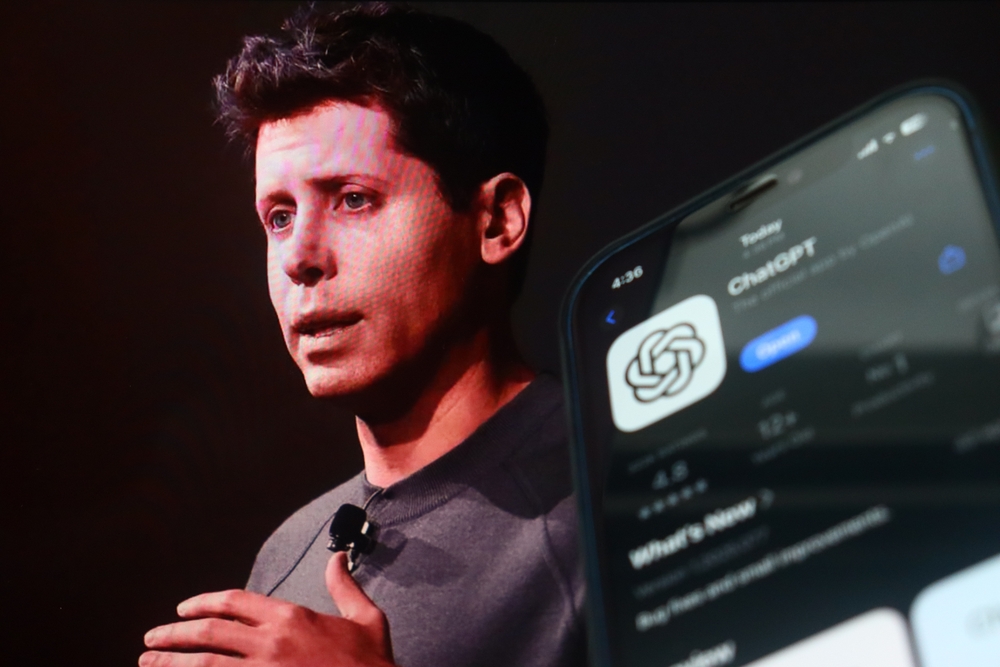
OpenAI has reportedly partnered with Apple supplier Luxshare to develop a groundbreaking AI-powered consumer device, according to a report by The Information. The prototype, currently under development, is designed to be pocket-sized and context-aware, enabling seamless integration with OpenAI’s language models.
The device signals OpenAI’s bold entry into the consumer electronics space, with the ambition to create an “AI-native” product — one purpose-built for interacting with artificial intelligence, rather than adapting existing smartphone or PC platforms.
Challenge to Apple and traditional hardware makers
If successful, the new gadget could present a formidable challenge to tech giants like Apple, Google, and Samsung. Analysts suggest it could disrupt the market by offering users a new way to interface with technology, moving beyond the touchscreen paradigm to fully integrated AI experiences.
The device could potentially reduce dependence on smartphones by offering alternative interactions through voice, gestures, or contextual awareness, all powered by OpenAI’s advanced models like ChatGPT.
Key manufacturing players already onboard
OpenAI’s collaboration with Luxshare — the assembler behind Apple’s iPhones and AirPods — gives the project access to large-scale, high-quality manufacturing. In addition, OpenAI has reportedly approached Goertek, another major Apple supplier, to provide speaker modules and other key components.
These partnerships mark OpenAI’s growing hardware ambitions, following its earlier acquisition of io Products, a startup founded by former Apple designer Jony Ive, in a $6.5 billion deal. This move hinted at OpenAI’s plans to blend cutting-edge design with AI-first functionality.
A new frontier in AI-native devices
The initiative is among the boldest yet from an AI company to build hardware from scratch, aiming to establish a foothold in a market still dominated by legacy tech companies. With consumer expectations shifting toward more natural and intuitive interfaces, the timing may favor OpenAI’s vision.
While neither OpenAI nor Luxshare has officially commented, the development raises anticipation about how AI-native devices could redefine everyday tech. Whether it complements or competes with smartphones remains to be seen, but the AI hardware race is clearly heating up.