Gold hits record as Fed pivot and inflation fears grow
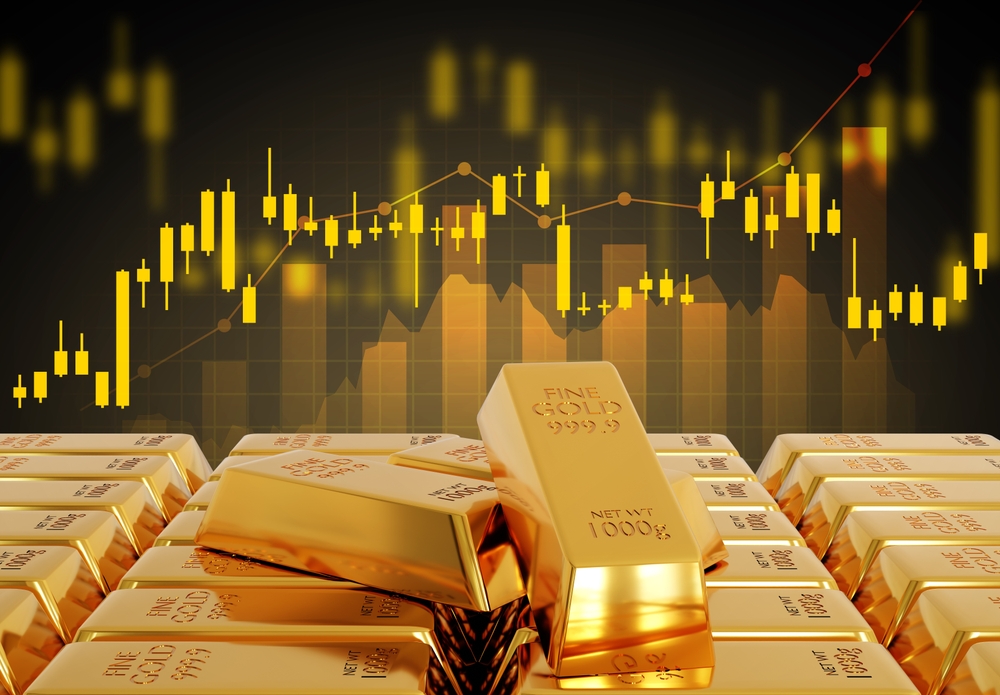
Goldman Sachs has revised its bullish outlook on gold, forecasting that the precious metal could rise significantly above $4,000 per troy ounce by mid-2026 if private investors begin reallocating funds away from U.S. dollar assets. This projection follows a surge in spot gold prices, which reached an all-time high of $3,578.50 on Wednesday.
The recent rally has been driven by growing expectations that the U.S. Federal Reserve will cut interest rates later this month, a move that typically reduces the opportunity cost of holding non-yielding assets like gold. Ongoing geopolitical and economic uncertainties have also strengthened gold’s appeal as a safe haven.
Private investment shift could boost upside
In a research note released Wednesday, Goldman Sachs described gold as its “highest-conviction long recommendation.” The bank’s baseline forecast calls for gold to reach $3,700 by the end of 2025 and $4,000 by mid-2026, assuming continued strong central bank buying.
However, the report noted that a large-scale shift by private investors into gold could drive prices even higher. Specifically, if 1% of the capital currently invested in the U.S. Treasury market were redirected to gold, prices could approach $5,000 per ounce.
Such a scenario would represent a major reallocation of private capital and would reflect a decline in trust in traditional financial instruments—especially those denominated in U.S. dollars.
Fed independence and inflation under scrutiny
Goldman Sachs also warned of the risks posed by political interference in monetary policy. The note referenced increased pressure from President Donald Trump on the Federal Reserve, suggesting that diminished central bank independence could trigger higher inflation, elevated bond yields, and a weakening of the U.S. dollar’s reserve status.
In such a scenario, gold—which is not tied to any political or institutional structure—would benefit as a trusted store of value. The analysts argued that any erosion of institutional credibility would likely reinforce investor demand for physical and digital forms of hard money.
“Gold prices are increasingly being influenced by political and macroeconomic shifts that go beyond standard supply-demand models,” the note said.
Central bank buying remains strong
While private investor flows could be the next major catalyst, central banks have already played a pivotal role in gold’s recent surge. The World Gold Council has reported robust purchases by emerging market central banks, particularly those looking to diversify reserves away from the dollar.
Goldman Sachs’ base case assumes continued accumulation at the sovereign level, driven by both diversification motives and concerns over U.S. fiscal stability. These purchases support gold prices even in the absence of speculative demand.
The firm concluded that while price targets above $4,000 represent an optimistic scenario, current market conditions are aligning to make such outcomes increasingly plausible. Key factors include policy shifts, geopolitical risks, and structural changes in global investment behavior.