Peace ambitions clash with battlefield realities
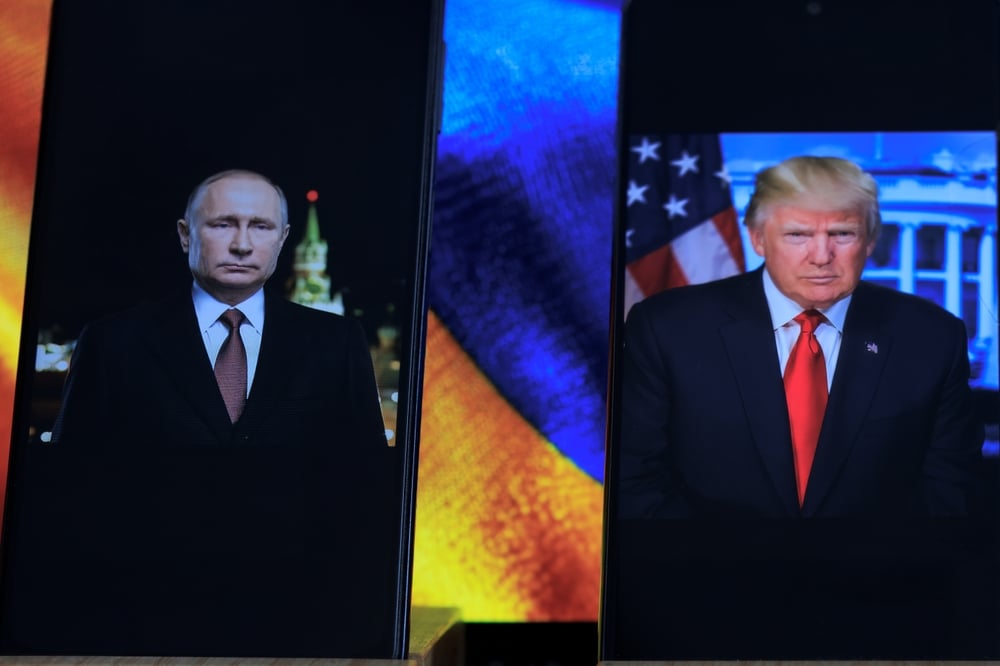
U.S. President Donald Trump has repeatedly threatened harsher sanctions against Russia should President Vladimir Putin refuse to negotiate peace or implement a ceasefire in Ukraine. Yet, despite Russia ramping up military offensives, Trump has refrained from deploying new economic penalties. The delay, analysts say, reflects a deeper strategic calculus rather than simple reluctance.
According to Chris Weafer, CEO of Moscow-based Macro-Advisory, Russia’s state finances are increasingly vulnerable. “If the U.S. targeted Russian oil trade with more sanctions, it could severely damage Russia’s budget,” Weafer told CNBC. Still, those measures remain on hold. Trump’s hesitancy appears rooted in a desire to act as a global peacemaker and avoid pushing Russia further into China’s geopolitical sphere.
Geopolitical ripple effects feared in Washington
Weafer points to two main reasons for the delay. First, Trump aims to position himself as a broker of peace between Ukraine and Russia, with the Nobel Peace Prize reportedly on his radar. Second, Washington fears that isolating Russia entirely could force deeper alignment with China, creating a powerful eastern bloc with control over key resources and technologies.
“If Russia is completely cut off from the West, it will have no choice but to integrate more fully with China,” Weafer noted. This could lead to expanded Chinese access to Russian energy, Arctic territories, and military innovations — developments that could erode Western strategic leverage for years to come.
Ukraine frustrated as deadlines pass
Kyiv has expressed growing disappointment with Trump’s inaction. Former U.S. Ambassador John Herbst criticized the administration for missing its self-imposed August 8 deadline to pressure Russia into a ceasefire. “Instead of action, we’ve seen summit diplomacy with no meaningful results,” Herbst said. Ukrainian officials fear that continued delays allow Russia to escalate without consequence, while Western support appears uncertain.
China, Russia and India deepen ties
Amid the diplomatic standstill, leaders from China, Russia, and India showcased unity at the Shanghai Cooperation Organization (SCO) summit. Chinese President Xi Jinping urged nations to reject “Cold War mentalities,” while Putin used the event to praise Asian allies for their continued support. He referred to Russia’s ties with India and China as “special and privileged.”
Putin also expressed hope that the recent U.S.-Russia summit in Alaska could open a path toward peace, though concrete steps remain elusive. Meanwhile, this new tri-polar alignment — centered on economic and military cooperation between Beijing, Moscow, and New Delhi — signals a possible shift in the global power structure away from the U.S.-led West.