Company issues going concern warning
Eastman Kodak has raised alarm over its financial stability, cautioning that it may struggle to continue operating without a viable plan to meet upcoming debt obligations. In an August 11 regulatory filing, the 133-year-old company stated there is “substantial doubt” about its ability to remain a going concern, an accounting term used when a business risks ceasing operations.
The announcement sent Kodak shares tumbling 26% to $5.05 in Tuesday morning trading. The company is burdened with nearly $500 million in short-term debt and over $200 million in pension liabilities. Last year, Kodak indicated plans to terminate its pension program in an effort to reduce financial strain. Chief Financial Officer David Bullwinkle said the company expects to clarify how it will meet pension obligations by August 15.
From industry pioneer to reinvention attempts
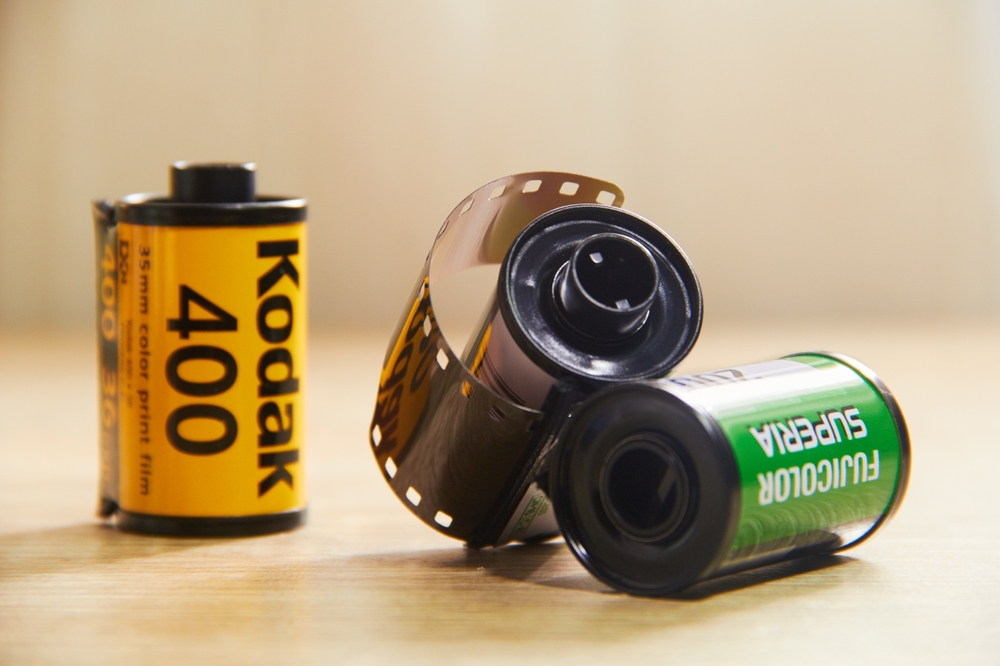
Founded in 1892 by George Eastman, Kodak revolutionized photography with accessible products like the Brownie and Instamatic cameras, making personal photography a mainstream pastime. For decades, its iconic yellow-and-red film packaging was a fixture in photo stores worldwide.
However, competition from companies such as Fujifilm and the rapid rise of digital photography in the 1990s eroded Kodak’s dominance. The company filed for bankruptcy in 2012, shedding many of its divisions and patents while exiting the camera business entirely. By 2013, Kodak had emerged from bankruptcy as a smaller operation focused on commercial and packaging printing.
New ventures amid financial strain
Despite ongoing challenges, Kodak has been working to diversify its operations. In addition to producing key starting materials for pharmaceuticals, the company is completing construction on a plant that will manufacture regulated pharmaceutical products. Operations at the new facility are expected to begin later this year.
The success of this expansion could be critical as Kodak navigates its mounting debt pressures and seeks to define a sustainable business model in industries far removed from its original film and camera heritage.