Disputed jobs report sparks leadership change
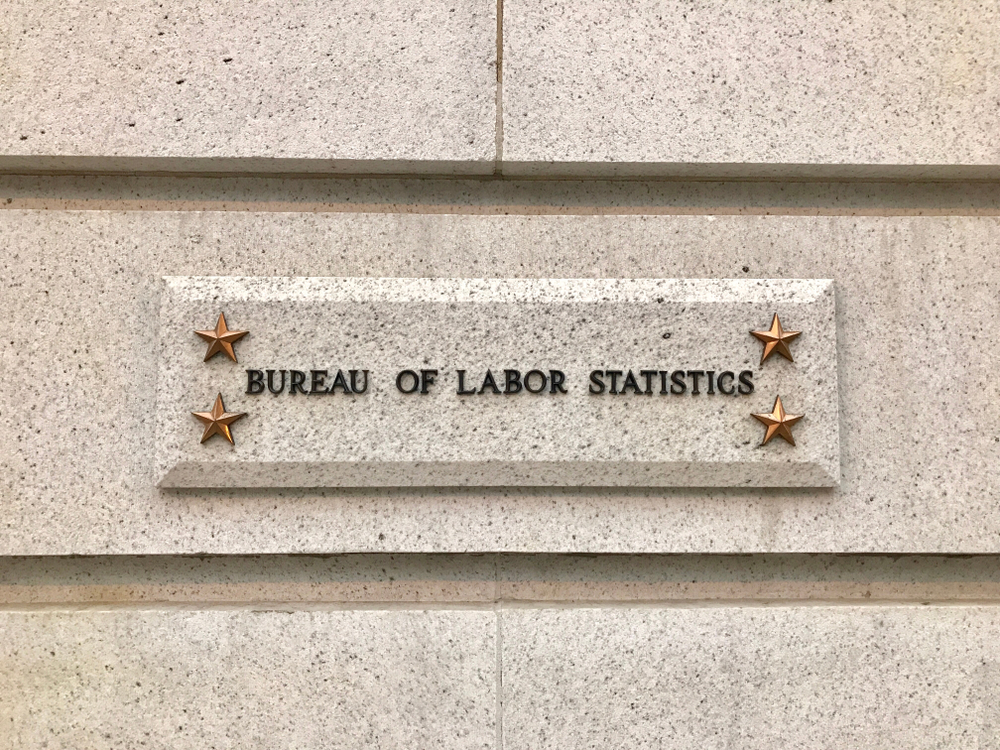
President Donald Trump has removed the head of the Bureau of Labor Statistics (BLS) after rejecting July’s employment report as “rigged.” The decision follows a release showing job growth slowing in May, June, and July, a trend that Federal Reserve officials view as evidence of economic fragility. Trump, however, insists his policies are boosting growth and sees the data as politically motivated.
The president named E.J. Antoni, chief economist at the Heritage Foundation, as the new BLS commissioner. The appointment comes as Trump considers who will succeed Jerome Powell as Fed chair, with both roles central to how economic data shapes policy and markets.
Fed signals growing concern over labor market
Fed Governor Michelle Bowman said the recent employment data confirm a “reduced dynamism” in the labor market and warned that delaying action could further slow the economy. Along with Governor Christopher Waller, Bowman dissented at the Fed’s last meeting, pushing for immediate rate cuts. Investors now see an 85% chance of a September rate reduction.
While a weaker job market could support Trump’s call for lower rates to ease the nation’s rising debt costs, it also conflicts with his public narrative of strong economic expansion.
Inflation adds pressure to policy debate
New BLS figures show consumer prices up 2.7% year-over-year in July, steady from June. However, core inflation — which excludes food and energy — rose to 3.1%, driven by higher costs for services like medical care and air travel, as well as goods such as furniture and used vehicles. Economists say tariffs may be feeding into these increases.
Despite the uptick in core prices, traders maintained expectations for rate cuts in both September and December, citing broader economic concerns.
Fed relies on multiple data sources
The BLS remains a key source for U.S. economic indicators, but Fed officials say they cross-check its reports with private-sector analytics, administrative records, and direct business surveys. St. Louis Fed President Alberto Musalem emphasized the importance of combining statistical data with on-the-ground insights from companies and households.
Minneapolis Fed President Neel Kashkari dismissed the idea that political influence could distort the economic reality Americans experience firsthand. “You cannot fake economic reality,” he said, stressing that hiring trends and inflation are visible to the public regardless of official reports.