Strategic Move Aims to Unlock Shareholder Value
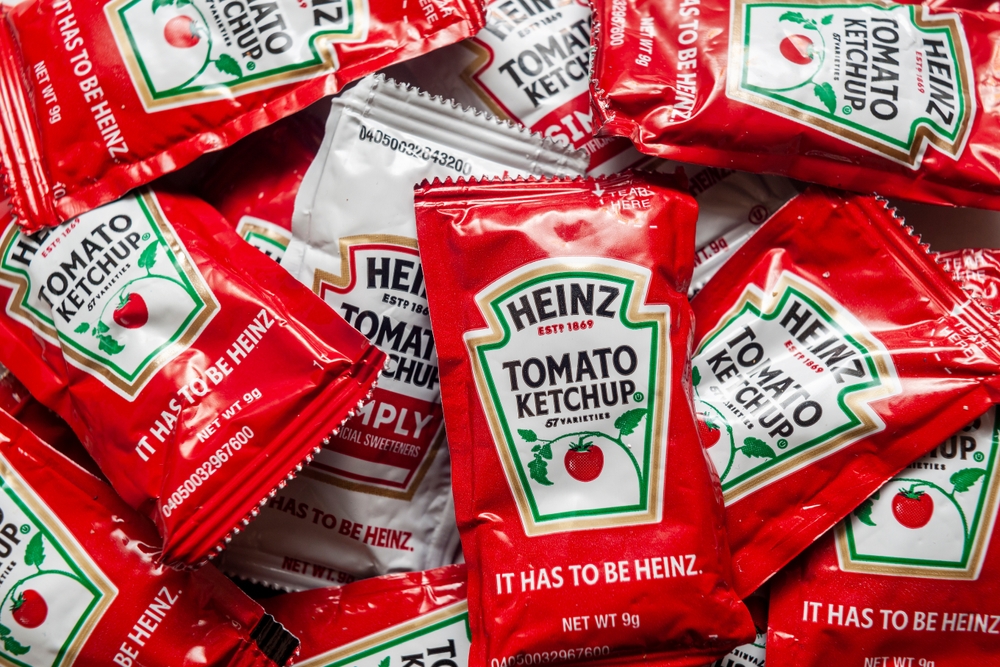
Kraft Heinz is preparing to spin off a significant portion of its grocery business, potentially creating a standalone entity worth up to $20 billion, according to a report by the Wall Street Journal. The new company would include many Kraft-branded products, while Kraft Heinz would retain its core condiments such as Heinz ketchup and Grey Poupon mustard. This move reflects a broader trend among consumer packaged goods companies adapting to shifting market dynamics and consumer preferences.
The plan marks Kraft Heinz’s latest effort to drive shareholder value as inflation and evolving consumer habits continue to pressure legacy food brands. Earlier this week, another major U.S. food company, WK Kellogg, agreed to a $3.1 billion buyout from Italy’s Ferrero, underscoring the urgency many companies feel to restructure and remain competitive.
Market Reaction and Financial Context
Following the news, Kraft Heinz shares rose by 2.5%, closing with a market value of $31.33 billion. The spinoff, if finalized, would represent a substantial realignment of the company’s portfolio. Kraft Heinz has been under pressure since its 2015 merger, which brought together Kraft Foods and H.J. Heinz under the leadership of Warren Buffett’s Berkshire Hathaway and private equity firm 3G Capital.
Despite the initial optimism around the merger, Kraft Heinz has faced ongoing challenges. Sluggish demand, rising costs, and a growing preference for fresher, less processed foods have weighed on its performance. In April, the company lowered its annual forecasts after reporting a weak quarter driven by subdued consumer spending.
Shift in Consumer Behavior and Regulatory Pressure
Kraft Heinz’s struggles are emblematic of wider industry trends. The consumer packaged goods sector is navigating a complex environment where traditional products are falling out of favor. Shoppers are increasingly turning to natural and organic alternatives, prompting major brands to reconsider their offerings.
In response to public health concerns, Kraft Heinz announced in June that it would halt the release of new products with artificial coloring in the U.S. The decision followed statements by Health Secretary Robert F. Kennedy Jr. calling for the elimination of synthetic food dyes to combat chronic illnesses.
Uncertainty Around Final Structure and Timeline
While the spinoff has not been finalized, sources familiar with the matter told the Wall Street Journal that discussions with advisers are ongoing. The company’s board has yet to approve a definitive structure, and alternate scenarios are reportedly under review. One critical aspect under consideration is which specific brands will be included in the new entity.
Industry analysts have drawn comparisons to the 2023 Kellogg spinoff, in which the company separated its cereal division amid declining sales volumes. Connor Rattigan of Consumer Edge noted that many consumer goods firms may look to mergers, acquisitions, or corporate restructuring to sharpen their focus and drive revenue growth.
Kraft Heinz’s proposed spinoff highlights the company’s strategic response to a changing consumer landscape and economic pressures. While details remain uncertain, the move signals a broader shift in the packaged food industry, where legacy brands are rethinking their portfolios to adapt to new market realities. If successful, the separation could help Kraft Heinz streamline operations and better position itself for long-term growth.