Policy turmoil and fiscal deficits weigh on U.S. currency
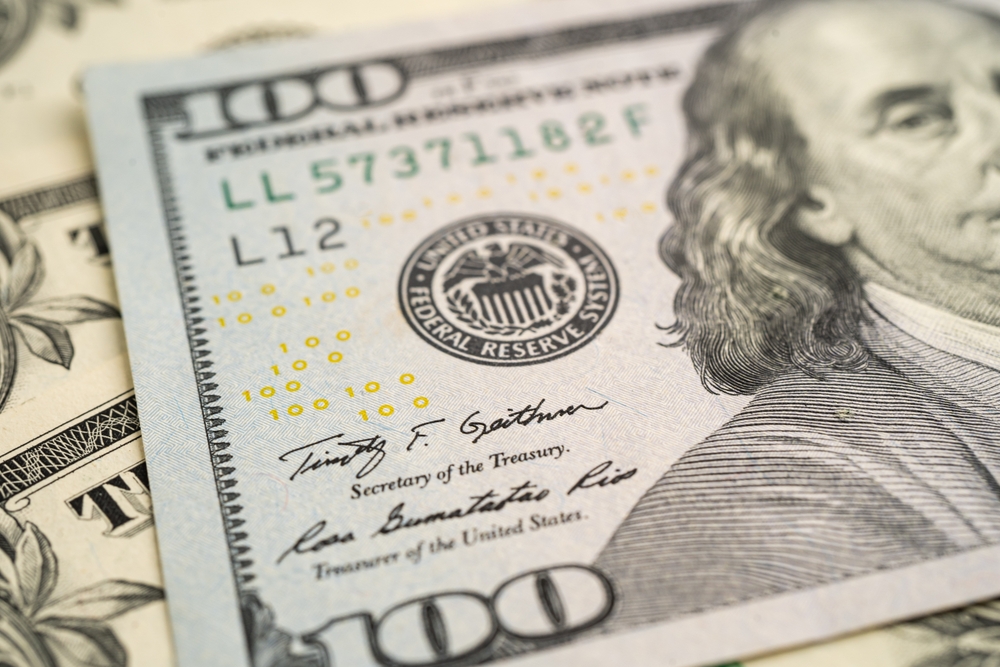
The U.S. dollar just logged its worst start to a year since Richard Nixon ended the gold standard in 1971. Through June, the greenback fell 10.7% against global currencies — the steepest first-half drop since 1973 — hitting its lowest level since February 2022. And with economic and political pressures mounting, analysts say the path ahead remains rocky.
Policy volatility, deficit expansion, and uncertainty over Federal Reserve action are all contributing to downward pressure. “You’re running massive deficits, alienating allies, and creating plenty of negative catalysts,” said Art Hogan, chief market strategist at B. Riley Wealth Management. “Once momentum turns, it’s hard to stop.”
Trump tariffs and Fed cuts complicate outlook
President Donald Trump’s tariff regime has been a central source of volatility. While a temporary pause and softer-than-expected rates sparked a short-lived dollar rebound in April, the broader trend has been persistent weakness.
That’s despite a resilient stock market. With over 40% of S&P 500 revenue generated internationally, a weaker dollar actually benefits U.S. multinationals by making exports cheaper.
However, the decline in the dollar has reignited concerns about American exceptionalism and reserve currency status. The U.S. deficit is on track to hit $2 trillion this year, with public debt nearing $30 trillion. If global confidence in U.S. assets fades, that could trigger deeper problems for both equities and bonds.
Gold, central banks, and foreign reserves
Global central banks are responding by stockpiling gold at the fastest pace since 1979. The World Gold Council reported monthly purchases of 24 tons, as countries hedge against U.S. debt risk and inflation.
“We think central banks are diversifying reserves and reducing reliance on the dollar,” said Lawson Winder of Bank of America. TS Lombard echoed the bearish tone, maintaining a short position on the greenback and calling it “the gift that keeps on giving.”
Meanwhile, Trump’s criticism of the Fed and vocal support for a weaker dollar add to investor caution. Rate cuts expected later this year could further sap demand for the currency, though prior easing in 2024 saw yields and the dollar rise simultaneously.
Is a reversal possible?
Despite the gloom, not everyone is betting against the greenback. Capital Economics’ Thomas Matthews said recent stock market gains reflect renewed confidence in U.S. assets. Wells Fargo analysts argue fears of dollar irrelevance are exaggerated.
“The dollar remains the linchpin of global finance,” wrote Wells Fargo strategist Jennifer Timmerman, citing deep liquidity, rule of law, and institutional strength. “A global shift away from the dollar would be slow and difficult.”
Treasury Secretary Scott Bessent called the fluctuations “not out of the ordinary,” though rising yields on Treasurys suggest markets remain wary. Hogan summed it up: “Technically, we may be overdone on the downside. But fundamentally, there’s still plenty to be concerned about.”