Trump’s trade blitz jolts stocks, spending, and sentiment
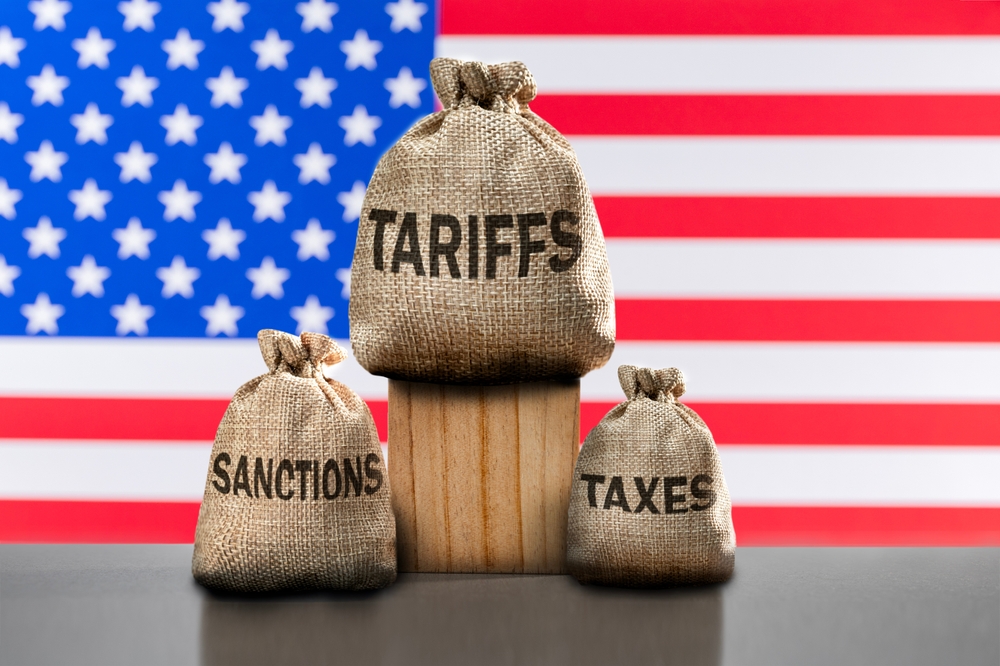
After launching a wave of tariffs earlier this year, President Donald Trump has temporarily paused his most aggressive trade measures, giving global markets a chance to recover. But with the July 9 deadline for tariff talks fast approaching, uncertainty looms over the U.S. economy.
Trump’s “Liberation Day” tariffs, including levies of 145% on Chinese goods and 46% on Vietnamese imports, triggered a sharp selloff in April. The S&P 500 plunged 12% before recovering when Trump dialed back his plans in favor of a more moderate 10% rate. Today, the index is up roughly 6% for the year.
However, firms in tariff-exposed sectors—such as retail and automotive—continue to feel the pressure. Analysts warn that if Trump revives higher tariffs after the 90-day pause, markets could tumble again. “A lot of complacency” has crept in, said Liz Ann Sonders of Charles Schwab.
Trade flows remain volatile
Imports surged early in the year as companies raced to beat tariff deadlines. But by April and May, volumes dipped sharply. Overall, U.S. goods imports were still up 17% year-over-year for the first five months of 2025, according to Hackett Associates. The outlook now hinges on whether Trump reinstates his original tariff schedule.
“If the tariff freeze disappears and the high tariffs are reimposed, then almost certainly we’re going to have a short recession,” said analyst Ben Hackett. For now, he sees the system in a “holding pattern.”
Inflation effects remain uneven
Despite fears of a price surge, overall inflation has remained modest. Consumer prices rose just 0.1% from April to May, though some categories like toys have seen sharper increases. Many tariffed goods have yet to hit store shelves, meaning the full impact is still to come.
Trump has insisted that businesses should absorb the tariffs rather than passing them on to consumers. But economists widely believe consumers will bear the cost over time, even if companies stagger price hikes to soften the blow.
Consumer spending shows strain
Retail sales fell 0.9% in May, marking the second consecutive monthly drop and the first back-to-back decline since 2023. Consumer spending overall is growing at its slowest pace since the pandemic era. Political divisions continue to skew public sentiment on the economy, but the data points to a growing sense of caution.
Job creation remains steady, and unemployment is low at 4.2%. Still, companies are increasingly hesitant to hire or invest amid the policy uncertainty. “We’re in a stall mode,” Sonders said, noting that many firms have implemented a “time-out” strategy in response to Trump’s trade agenda.
As the July 9 deadline nears, investors, businesses, and consumers alike remain on edge. Whether the U.S. economy merely softens or slides into something deeper will depend heavily on Trump’s next move on trade.