Stocks tumble, oil surges and dollar climbs on escalating tensions
Global markets slipped on Thursday as rising geopolitical risks in the Middle East rattled investors. With U.S. President Donald Trump hinting at possible American involvement in Israel’s bombing campaign against Iranian nuclear facilities, traders fled to traditional safe havens, pushing up the dollar and oil prices.
“I may do it. I may not do it,” Trump told reporters outside the White House when asked about military engagement. The ambiguity sparked fears of a broader regional conflict, further unsettling markets already reeling from tariff-induced volatility and central bank policy shifts.
Equity sell-off and commodities spike
The European STOXX 600 dropped 0.6%, heading for its steepest weekly loss since April. U.S. S&P 500 futures declined nearly 1%, though trading was limited due to a public holiday. Analysts warned that any American intervention could provoke retaliation from Iran, disrupt global oil supply, and weigh heavily on economic growth.
Brent crude surged another 2% to $78 a barrel, marking an 11% weekly gain and nearing its highest price since January. Gold held steady near $3,365 per ounce, while platinum climbed to its highest level in nearly 11 years at close to $1,300, as buyers sought alternatives to increasingly expensive gold.
Safe-haven currencies and central bank moves
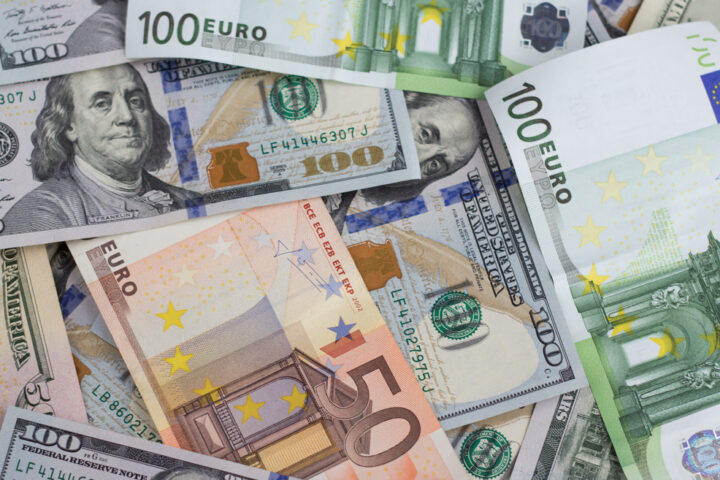
The dollar rose broadly against risk-linked currencies, with the euro slipping to $1.1462 and the Australian and New Zealand dollars each losing about 1%. The Swiss franc gained slightly after the Swiss National Bank cut rates to zero but avoided going into negative territory.
Meanwhile, central banks across Europe struggled to navigate the shifting economic landscape. The Bank of England held rates steady but warned of damage from trade policy uncertainty. The Norges Bank surprised markets with a rate cut that pressured the krone, while the Fed’s decision to hold rates on Wednesday kept pressure on Chairman Jerome Powell, who cited Trump’s tariffs as a driver of future inflation.
Uncertainty ahead
Traders remain on edge as conflicting signals from central banks, geopolitical escalation, and volatile commodity prices compound the difficulty of predicting near-term market direction. Analysts at Capital.com warned that the possibility of U.S. military action would drastically increase the risk of regional instability and global economic fallout.
With energy markets already strained and central banks caught between inflation and weak growth, investors may continue to shift toward safer assets until greater clarity emerges on U.S. policy and geopolitical developments.