Economic Signals Send Mixed Messages
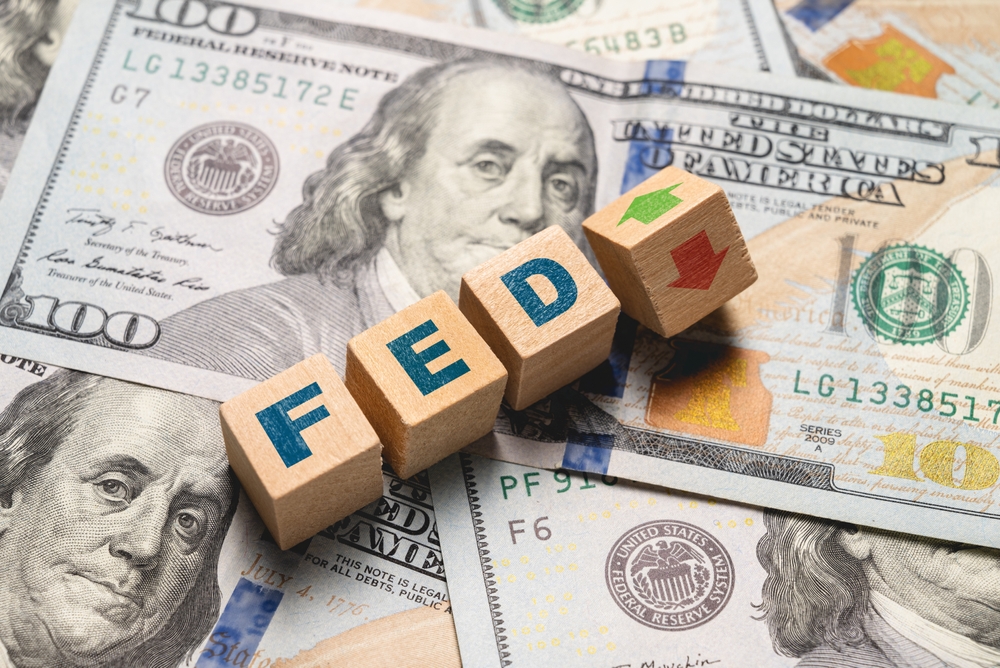
As the Federal Reserve prepares to conclude its two-day policy meeting this week, the U.S. economy appears resilient, but rising political pressure and looming tariffs are complicating the outlook. Inflation has been trending downward, currently near the Fed’s 2% target, while unemployment remains low at 4.2%. Despite these signs of stability, the Trump administration’s sweeping tariffs could push inflation higher while simultaneously slowing growth.
Rate Decision and Projections Ahead
Fed officials are widely expected to hold the key interest rate steady at 4.4% on Wednesday. They will also release updated quarterly projections, likely signaling that two rate cuts are possible by year-end. However, expectations are tempered by the dual forces at play: higher inflation would typically support rate hikes or a pause, while a weaker job market might warrant cuts. The central bank is currently opting to wait for more clarity before making a definitive move.
Trump Increases Political Pressure on Powell
President Donald Trump has stepped up his criticism of Fed Chair Jerome Powell, calling him a “numbskull” for resisting rate cuts. Other administration figures, including Vice President JD Vance and Commerce Secretary Howard Lutnick, have echoed these calls. Trump argues that lower rates would not only stimulate the economy but also reduce the government’s growing interest burden, which he estimates at $600 billion annually. Economists warn that such motivations risk compromising the Fed’s mandate of price stability and maximum employment.
Economists Urge Caution Amid Uncertainty
While inflation is currently subdued, economists remain cautious. Goldman Sachs projects inflation could reach 3.6% by December, but expects this spike to be short-lived due to a likely economic slowdown. Morgan Stanley’s Michael Gapen noted that the Fed prefers a cautious approach: “later and correct is better than sooner and wrong.” Some analysts argue the current rate exceeds the estimated neutral level of 3%, suggesting there is room for cuts once clarity on tariff impacts emerges. Yet, most expect only one cut this year, as the central bank continues to navigate a delicate balancing act.
Outlook Remains Clouded by Policy Risks
Despite Trump’s push, financial markets have remained relatively calm. A recent Supreme Court ruling limited presidential authority to remove the Fed chair, reinforcing the institution’s independence. Still, with the threat of higher inflation and weakening demand looming, the Fed’s next steps will depend heavily on incoming data. For now, the central bank remains caught between competing forces — political pressure, economic uncertainty, and its dual mandate — as it weighs when, or whether, to adjust course.